
Amaltas: Benefits, Uses & Ayurvedic Properties
Explore Amaltas in Ayurveda, including traditional uses, properties, preparation guidance, side effects and precautions.
.%2520Monika&w=3840&q=40)
Key Takeaways
- Its Sanskrit name Aragvadha translates to disease killer across classical texts.
- Fruit pulp works as a mridu virechana, gentle enough for both children and the elderly.
- Classified as a premier kushtha remedy for eczema, ringworm, scabies, and psoriasis.
- Its cooling energy specifically targets Pitta-type fever with burning and excessive thirst.
- Bitter bark compounds stimulate bile secretion, supporting Kamala, or jaundice, treatment.
- Unlike harsh purgatives, it softens stools without causing abdominal cramping.
What is Amaltas?
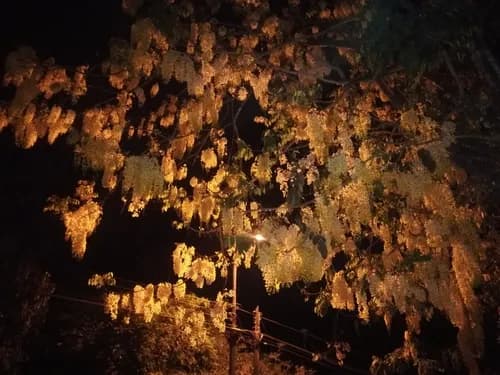
Amaltas, known in Sanskrit as Aragvadha (आरग्वध) or Suvarna, is a celebrated medicinal tree in Ayurveda with the botanical name Cassia fistula, belonging to the Fabaceae family. Commonly called the Golden Shower Tree or Purging Cassia in English, this ornamental and medicinal tree is native to the Indian subcontinent and Southeast Asia. The Sanskrit name Aragvadha means “disease killer,” a testament to its wide-ranging medicinal applications documented across classical Ayurvedic texts.
Ayurvedic Properties of Amaltas
Property: Detail
Sanskrit Name: Aragvadha (आरग्वध), Suvarna, Rajataru
Rasa (Taste): Madhura (Sweet), Kashaya (Astringent)
Guna (Quality): Guru (Heavy), Snigdha (Unctuous), Mrudu (Soft)
Virya (Potency): Sheeta (Cold)
Vipaka (Post-digestive): Madhura (Sweet)
Dosha Effect: Balances Pitta and Kapha; its cold, sweet qualities specifically pacify excess Pitta
Part Used: Fruit pulp, bark, leaves, root, flowers
Health Benefits of Amaltas
- Gentle Laxative and Constipation Relief Amaltas fruit pulp is one of Ayurveda’s most favoured mild laxatives (mridu virechana), effective for relieving chronic constipation in people of all ages including children and the elderly. Unlike harsh purgatives, the fruit pulp of Amaltas works gently, softening stools and promoting smooth bowel movements without causing abdominal cramps. Its sweet taste and cold potency make it particularly suitable for Pitta-aggravated constipation with burning sensation.
- Skin Health and Blood Purification Aragvadha is classified as a premier kushtha (skin disease) remedy in Ayurveda. The bark, leaves, and fruit are used to manage chronic skin conditions including eczema, ringworm, scabies, psoriasis, and fungal infections. Its anti-inflammatory and blood-purifying action addresses the root pathology of most skin disorders in Ayurvedic understanding — accumulated toxins (ama) and impure blood.
- Fever Management and Anti-pyretic Action Amaltas has a cooling energy (Sheeta virya) that is highly effective in managing fever, particularly Pitta-type fever with burning sensation, excessive thirst, and inflammation. Classical Ayurvedic formulations for jwara (fever) frequently include Aragvadha. The bark decoction and leaf extracts help reduce body temperature while supporting the body’s recovery process.
- Liver Health and Detoxification The bitter compounds in Amaltas bark stimulate liver function, enhance bile secretion, and promote the elimination of accumulated toxins from the body. It is used in Ayurvedic treatment of jaundice (kamala), liver enlargement, and general liver weakness. Regular use of Amaltas preparations supports the liver’s natural detoxification capacity and protects liver cells from damage.
- Cardiovascular and Metabolic Health Amaltas supports cardiovascular health through its antioxidant and anti-inflammatory properties that reduce oxidative stress on the heart and blood vessels. Clinical observations suggest it helps regulate blood sugar levels by improving insulin secretion and sensitivity, supporting its traditional classification as a pramehaghna (anti-diabetic) herb. It also contributes to healthy cholesterol levels.
- Antimicrobial and Wound Healing Amaltas leaves and bark demonstrate significant antimicrobial activity against common bacterial and fungal pathogens. Topical application of leaf paste is used for managing skin infections, wounds, and inflammatory lesions. The astringent compounds promote tissue contraction and accelerate the healing process while preventing secondary infection.
How to Use Amaltas
Form: Dosage; How to Take
Fruit pulp (fresh/dried): 10–15 g once daily; Soak in warm water overnight; consume with warm water at bedtime for constipation relief
Amaltas churna: 3–5 g once daily; Mix with warm water or triphala; take after dinner for gentle overnight bowel cleansing
Bark decoction: 30–50 ml twice daily; Boil 10 g bark in 400 ml water; reduce to 100 ml; filter and drink warm for skin and fever
Leaf paste (topical): As needed; Grind fresh leaves with water or coconut oil; apply to skin lesions, ringworm, or wounds
Side Effects & Precautions
Amaltas is generally well tolerated, but its laxative effects mean overdose can cause loose stools, abdominal cramps, and diarrhoea. Its cooling properties mean that excessive consumption may worsen conditions related to cold (Vata and Kapha aggravation). Pregnant women should avoid Amaltas due to its strong laxative and potentially uterus-stimulating effects. People with low blood pressure or hypotension should use it cautiously. Those with chronic gastrointestinal conditions should consult an Ayurvedic physician before regular use.
Classical References
Aragvadha (Amaltas) is one of the most celebrated herbs in classical Ayurvedic texts. Charaka Samhita places it foremost among the kustha-hara (skin disease-curing) herbs and mentions it as a key herb in the Aragvadhadi mahakashaya — one of the 50 great formulation groups. Sushruta Samhita recommends it for kushtha (skin diseases), jwara (fever), vibandha (constipation), and krimi (parasitic conditions). Ashtanga Hridayam by Vagbhata uses Aragvadha prominently in virechana (purgation) therapy protocols and skin disease formulations. Bhavaprakasha Nighantu includes it in the Haritakyadi varga, noting its mild purgative, anti-skin disease, and fever-relieving properties.
{"@context":"https://schema.org","@type":"FAQPage","mainEntity":[ {"@type":"Question","name":"What is Amaltas in English?","acceptedAnswer":{"@type":"Answer","text":"Amaltas is called Golden Shower Tree or Purging Cassia in English. Its botanical name is Cassia fistula. The Sanskrit name Aragvadha means 'disease killer'."}}, {"@type":"Question","name":"Is Amaltas good for constipation?","acceptedAnswer":{"@type":"Answer","text":"Yes, Amaltas fruit pulp is one of Ayurveda's most effective gentle laxatives. It softens stools and promotes smooth bowel movements without harsh cramps, making it suitable for chronic constipation in people of all ages."}}, {"@type":"Question","name":"Can Amaltas be used for skin diseases?","acceptedAnswer":{"@type":"Answer","text":"Yes, Amaltas is classified as a premier skin disease remedy in Ayurveda. The bark, leaves, and fruit manage eczema, ringworm, psoriasis, and fungal infections through blood purification and anti-inflammatory action."}}, {"@type":"Question","name":"Is Amaltas safe during pregnancy?","acceptedAnswer":{"@type":"Answer","text":"Amaltas is not recommended during pregnancy. Its laxative properties and potential uterine-stimulating effects make it risky. Pregnant women should avoid using Amaltas preparations without physician supervision."}}, {"@type":"Question","name":"What dosha does Amaltas balance?","acceptedAnswer":{"@type":"Answer","text":"Amaltas primarily balances Pitta and Kapha doshas through its cold, sweet, and heavy qualities. It is particularly effective for Pitta-related conditions such as fever, burning constipation, skin inflammation, and liver disorders."}} ]}
Related reads: Daruhaldi: Benefits, Uses & Ayurvedic Properties · Khus (Vetiver): Benefits, Uses & Ayurvedic Properties
Amaltas’ classical role in relieving constipation and supporting the liver pairs well with the way twists and forward folds are used in yoga to gently move the abdominal organs and encourage regularity. A calmer nervous system, which yoga is well known for cultivating, can also support the body’s own fever-recovery and skin-repair processes. Consider joining Habuild’s free yoga challenge to build this movement into your week.
Frequently Asked Questions
Related Articles
Aloe Vera: Benefits, Uses & Ayurvedic Properties
Explore Aloe Vera in Ayurveda, including traditional uses, properties, preparation guidance, side effects and precautions.

Ajwain: Benefits, Uses & Ayurvedic Properties
Explore Ajwain in Ayurveda, including traditional uses, properties, preparation guidance, side effects and precautions.


Ajmodark (Oma Water): Uses, Benefits, Dosage & Side Effects
Explore Ajmodark (Oma Water) in Ayurveda, including traditional uses, properties, preparation guidance, side effects and precautions.