
Ajwain: Benefits, Uses & Ayurvedic Properties
Explore Ajwain in Ayurveda, including traditional uses, properties, preparation guidance, side effects and precautions.

Key Takeaways
- Thymol makes up 35-60% of its essential oil, among the most potent natural antimicrobials.
- Chewing a quarter teaspoon with black salt relieves gas within 10-15 minutes.
- Omam water, made by soaking seeds overnight, is a classical paediatric colic remedy.
- A 2014 study confirmed it significantly reduces acetylcholine-induced intestinal spasms.
- Classified as the primary remedy for gulma, intestinal spastic pain, in classical texts.
- Thymol activates gastric acid secretion, accelerating the breakdown of food rapidly.
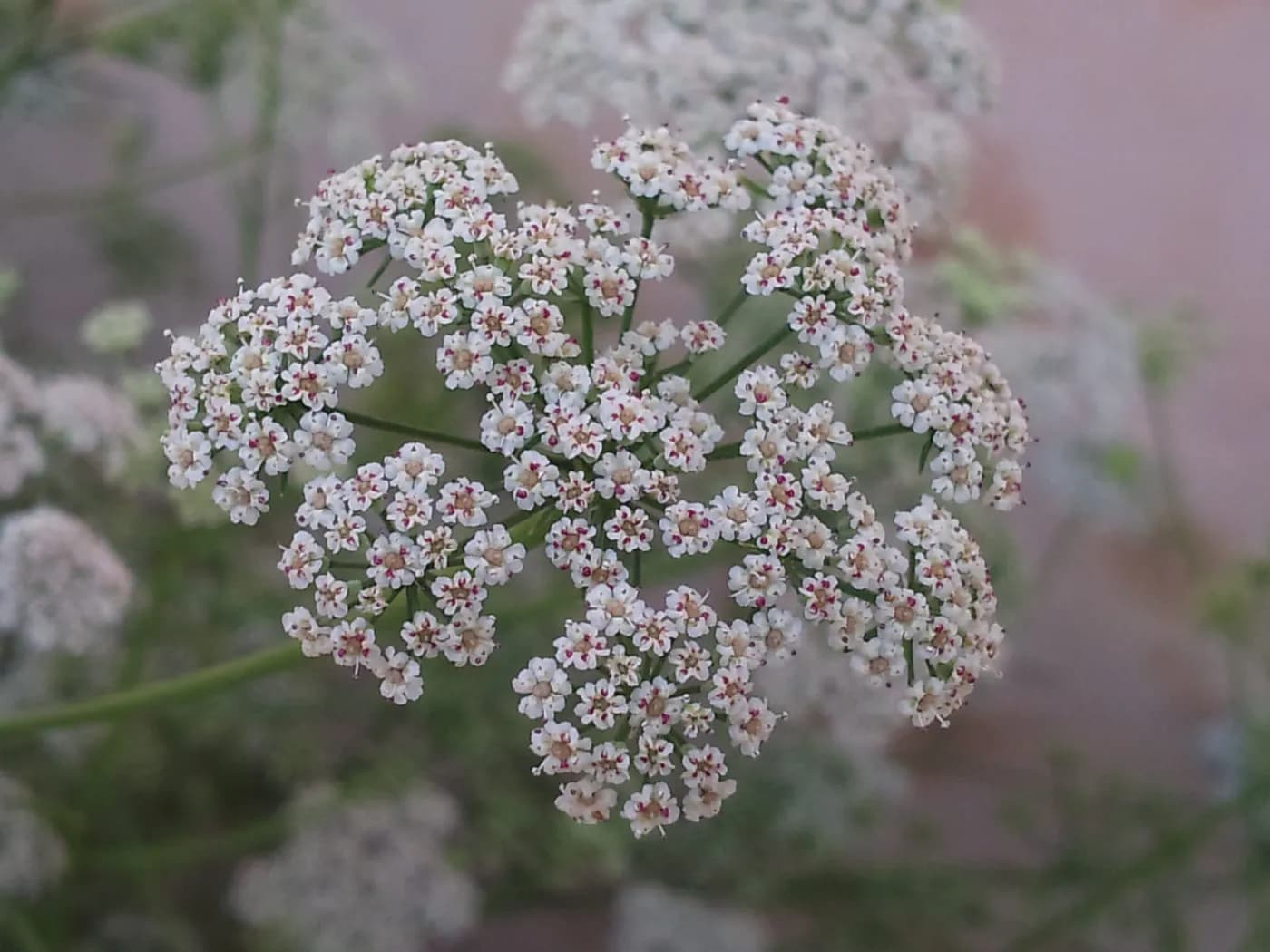
Ajwain (Yavani), known botanically as Trachyspermum ammi (syn. Carum copticum), is an annual herbaceous plant from the Apiaceae (Umbelliferae) family found throughout India, Egypt, Iran, and Afghanistan. Ayurveda has used its aromatic seeds for over 4,000 years as a powerful digestive, carminative, and respiratory remedy. The active compound thymol — which constitutes 35–60% of Ajwain’s essential oil — is among the most potent naturally occurring antimicrobial and digestive agents known, validating Ayurveda’s ancient classification of Ajwain as a first-line remedy for digestive distress and respiratory congestion.
Ayurvedic Properties of Ajwain
Property: Value
Sanskrit Name: Yavani, Ajamoda, Deepyaka, Ugragandha
Other Names: Ajwain / Ajwaini (Hindi); Carom seeds (English); Omam (Tamil); Vamu (Telugu); Ova (Marathi)
Botanical Name: Trachyspermum ammi (L.) Sprague
Plant Family: Apiaceae (Umbelliferae)
Part Used: Seeds (Fruits)
Rasa (Taste): Katu (Pungent), Tikta (Bitter)
Guna (Quality): Laghu (Light), Ruksha (Dry), Tikshna (Sharp/Penetrating)
Virya (Potency): Ushna (Hot)
Vipaka (Post-digestive taste): Katu (Pungent)
Doshic Action: Balances Vata and Kapha; may aggravate Pitta in excess or in those with inflammatory conditions
Primary Action: Deepana (digestive fire kindles), Pachana (carminative), Shothahara (anti-inflammatory), Krimighna (antimicrobial), Kasahara (anti-cough), Shulahara (pain-relieving)
Health Benefits of Ajwain
- Instant Relief from Gas, Bloating, and Indigestion Ajwain is Ayurveda’s fastest-acting carminative (vatanulomana) herb, providing near-immediate relief from abdominal gas, bloating, flatulence, and indigestion. Thymol activates gastric acid secretion and stimulates the release of digestive enzymes from the pancreas and small intestine, dramatically accelerating the breakdown of food. Its deepana (digestive fire-kindling) action directly addresses the root cause of gas and bloating in Ayurveda: inadequate agni (digestive fire) leaving undigested food (ama) to ferment in the colon. Chewing 1/4 teaspoon of Ajwain seeds with a pinch of black salt provides relief within 10–15 minutes — a remedy used across Indian households for generations.
- Treats Colic, Stomach Pain, and Spasms Ajwain is a powerful shulahara (colic-relieving) herb that rapidly relaxes intestinal smooth muscle spasms and eliminates cramping pain. Thymol’s antispasmodic action on intestinal smooth muscle is well-documented in pharmacological studies. Research in Phytotherapy Research (2014) confirms that Ajwain extract significantly reduces acetylcholine-induced intestinal spasms in a dose-dependent manner. Classical Ayurvedic texts classify it as the primary remedy for gulma (intestinal spastic pain) and adhmana (abdominal distension). Ajwain water (omam water) made by soaking seeds overnight and drinking the strained liquid is a classical paediatric remedy for infant colic.
- Clears Respiratory Congestion and Relieves Cough Ajwain is a classical Ayurvedic kasahara (cough-relieving) and kaphahara (Kapha-reducing) herb that clears mucus from the respiratory tract and relieves bronchospasm. Steam inhalation of Ajwain dissolved in boiling water is one of Ayurveda’s most time-tested remedies for nasal congestion, sinusitis, and productive cough. Thymol is used in mainstream medicine as an expectorant and antiseptic in cough medications. Its hot potency (ushna virya) liquefies accumulated Kapha in the lungs and sinuses, facilitating expectoration. A cloth bundle of roasted Ajwain seeds held near the nose and inhaled is a classical remedy for chronic rhinitis and nasal polyps.
- Antimicrobial and Anti-infective Properties Ajwain’s thymol and carvacrol content gives it broad-spectrum antimicrobial activity against bacteria, fungi, and parasites — making it effective as a natural food preservative and infection fighter. Research demonstrates that Ajwain essential oil inhibits E. coli, Salmonella, Aspergillus niger, and Candida albicans at low concentrations. Its classical classification as krimighna (antiparasitic/antimicrobial) in Charaka Samhita reflects this activity. Ajwain is traditionally mixed with wheat flour for storage to prevent fungal and insect infestation — a practical application of its antimicrobial properties documented for over 2,000 years.
- Relieves Arthritis and Joint Pain Ajwain’s anti-inflammatory and analgesic properties make it effective for both topical and internal management of Vata-type joint pain, arthritis, and muscle stiffness. Applied as a warm paste over painful joints or added to bathwater, Ajwain provides localised anti-inflammatory and counterirritant relief. Its shothahara (anti-inflammatory) compounds — thymol and flavonoids — inhibit COX-2 enzymes, reducing prostaglandin synthesis. Research in the Journal of Ethnopharmacology confirms that Ajwain seed extract has anti-arthritic activity comparable to indomethacin in animal models of adjuvant-induced arthritis.
- Supports Hair Health and Scalp Circulation Ajwain oil, when massaged into the scalp, stimulates blood circulation, prevents dandruff through its antifungal action, and strengthens hair follicles. The antifungal activity of thymol against Malassezia species directly addresses the primary fungal cause of dandruff and seborrhoeic dermatitis. Improved scalp circulation nourishes hair follicles and promotes hair growth. Traditional Ayurvedic hair care formulations combine Ajwain with sesame oil and fenugreek for a comprehensive hair growth and scalp treatment.
- Kidney Stone Prevention and Diuretic Action Ajwain acts as a mutrala (diuretic) that increases urine output and helps flush oxalate crystals, reducing the risk of kidney stone formation. Its diuretic action combined with antispasmodic properties relieves pain from urinary tract spasms and small kidney stones. Classical texts including Ashtanga Hridayam describe Ajwain under urinary tract treatments. Drinking Ajwain water (seeds soaked in water overnight) is a traditional preventive remedy for recurrent kidney stones recommended in both Ayurveda and Unani medicine.
How to Use Ajwain
Form: Preparation; Dosage; Best Time
Raw Seeds (Chewed): Chew directly with pinch of black salt and a few drops of lemon juice; 1–2 g (1/4 tsp); After meals for gas/bloating; immediately for colic
Ajwain Water: Boil 2 g seeds in 500 ml water; strain; or soak overnight and strain; 100–200 ml twice daily; Morning fasting; or after meals
Steam Inhalation: Add 1 tsp seeds to a bowl of boiling water; inhale steam for 5–10 min; As needed; During cold/cough/congestion episodes
Roasted Powder (Churna): Lightly roast seeds; grind to powder; mix 1–2 g with honey or warm water; 1–3 g twice daily; Before or after meals
Topical Paste: Grind seeds with water or sesame oil to paste; apply over joints or abdomen; Sufficient quantity; As needed for pain/inflammation; 20–30 min application
Side Effects and Precautions
Known Contraindications
- Peptic ulcers, gastritis, or acid reflux — Ajwain’s hot, stimulating nature can worsen these conditions
- Pitta-dominant constitution with chronic inflammatory bowel disease
- Liver disease — high doses should be avoided
Drug Interactions
- Anticoagulants (warfarin) — Ajwain may modestly enhance blood-thinning effects
- Antihypertensives — may potentiate blood pressure reduction
- Lithium — diuretic action may alter lithium excretion; consult physician
Who Should Avoid
- Pregnant women — avoid therapeutic doses; small culinary amounts are generally safe
- Breastfeeding mothers — high doses not recommended without physician guidance
- Individuals with known allergy to Apiaceae family plants (celery, caraway, dill)
Safe Dosage Range
Seeds: 1–3 g per day in divided doses. Essential oil: 1–2 drops maximum, always diluted. Water extract/infusion: 100–200 ml twice daily. Therapeutic courses: 2–4 weeks for acute conditions; ongoing culinary use is safe.
Classical Text References
Charaka Samhita (Sutrasthana 27) describes Yavani as: “Yavani katu tikta ushna vatanilahara | Deepani pachani shulahara krimighni balya ||” — “Yavani (Ajwain) is pungent, bitter, hot in potency, and eliminates Vata and Kapha. It kindles digestive fire, promotes digestion, relieves colic pain, destroys microbes, and is strengthening.” This comprehensive description is among the most accurate botanical summaries in classical Ayurveda, validated in totality by modern pharmacological research.
{"@context":"https://schema.org","@type":"FAQPage","mainEntity":[ {"@type":"Question","name":"What is Ajwain used for in Ayurveda?","acceptedAnswer":{"@type":"Answer","text":"Ajwain is used in Ayurveda as the primary remedy for gas, bloating, indigestion, colic, cough, cold, bronchitis, joint pain, and infections. It also supports kidney and urinary tract health through its diuretic properties."}}, {"@type":"Question","name":"What are the main benefits of Ajwain?","acceptedAnswer":{"@type":"Answer","text":"Main benefits: near-immediate gas and bloating relief, antispasmodic action on intestinal cramps, respiratory mucus clearance, broad-spectrum antimicrobial activity, anti-inflammatory joint pain relief, and diuretic action for kidney health."}}, {"@type":"Question","name":"Can Ajwain be taken daily?","acceptedAnswer":{"@type":"Answer","text":"Ajwain in culinary amounts is safe for daily use. Therapeutic doses (2-3 g daily) should be used for 2-4 week courses. Pitta-dominant individuals and pregnant women should limit to culinary amounts."}}, {"@type":"Question","name":"What is the correct dosage of Ajwain?","acceptedAnswer":{"@type":"Answer","text":"Seeds: 1-3 g per day after meals. Ajwain water: 100-200 ml twice daily. For acute gas relief, chew 1/4 tsp with black salt. For steam inhalation: 1 tsp in boiling water as needed."}}, {"@type":"Question","name":"Does Ajwain have any side effects?","acceptedAnswer":{"@type":"Answer","text":"In culinary amounts, Ajwain is very safe. Therapeutic doses may cause acid reflux or worsen gastric ulcers in Pitta types. Pregnant women should avoid therapeutic doses due to uterine-stimulating properties."}}, {"@type":"Question","name":"Which dosha does Ajwain balance?","acceptedAnswer":{"@type":"Answer","text":"Ajwain primarily balances Vata and Kapha through its hot, dry, penetrating qualities. It aggravates Pitta and should be used cautiously by individuals with gastritis, acid reflux, or skin inflammation."}} ]}
Related reads: Isabgol: Benefits, Uses & Ayurvedic Properties · Adusa: Benefits, Uses & Ayurvedic Properties
Ajwain’s dual reputation for easing trapped gas and loosening a stubborn cough finds an easy companion in yoga: twisting postures help move air through the intestines, while pranayama practices like Bhastrika and Anulom Vilom open the chest much the same way. Practiced together, the herb’s warming action and the breathwork’s respiratory benefits tend to reinforce each other. For guided sessions built around exactly this kind of breath and movement work, Habuild’s free yoga challenge is worth joining.
Frequently Asked Questions
Related Articles

Ajmodark (Oma Water): Uses, Benefits, Dosage & Side Effects
Explore Ajmodark (Oma Water) in Ayurveda, including traditional uses, properties, preparation guidance, side effects and precautions.


Ahiphenasava: Uses, Benefits, Dosage & Side Effects
Explore Ahiphenasava in Ayurveda, including traditional uses, properties, preparation guidance, side effects and precautions.
.%2520Monika&w=3840&q=40)

Agastya Haritaki Rasayan: Uses, Benefits, Dosage & Side Effects
Explore Agastya Haritaki Rasayan in Ayurveda, including traditional uses, properties, preparation guidance, side effects and precautions.