
Arvindasava: Uses, Benefits, Dosage & Side Effects
Arvindasava is a classical Ayurvedic Asava (fermented herbal tonic) based on Arvinda (lotus flower), primarily indicated for paediatric health, improving digestion, boosting immunity, cognitive development, and growth in children. Learn its ingredients, benefits, and dosage.

Key Takeaways
- One of Ayurveda’s dedicated paediatric tonics, unlike most Arishta-Asava formulas made for adults.
- Nourishes all seven dhatus while balancing Vata and Pitta in a developing child’s body.
- Combines lotus, Guduchi, Shatavari, and Ashwagandha for gentle immunity and cognitive support.
- Improves with age, carrying a 5-10 year shelf life due to its fermentation process.
- Documented in Ashtanga Hridayam’s Balabhaisajya Adhyaya, its dedicated paediatric chapter.
- Uses Haritaki, Pippali, and Guduchi for mild digestive stimulation suited to a child’s Agni.
Arvindasava is a classical Ayurvedic fermented liquid (Asava) formulation whose primary ingredient is Arvinda — the sacred lotus flower (Nelumbo nucifera). The word Arvinda is one of the Sanskrit names for the lotus, symbolising purity and spiritual nourishment. This preparation is described in Ashtanga Hridayam — Balabhaisajya Adhyaya (chapter on paediatric medicine) and Kashyapa Samhita, specifically designed for children’s health and development. Unlike most other Arishta-Asava formulations primarily indicated for adults, Arvindasava is one of Ayurveda’s dedicated paediatric tonics, gently strengthening digestion, immunity, brain function, and physical growth in infants and young children. It primarily balances Vata and Pitta doshas while nourishing all seven dhatus (body tissues) in the developing child.
Arvindasava — Formulation Profile
Key Ingredients of Arvindasava
Therapeutic Uses and Benefits of Arvindasava
- Digestive Health in Children Digestive disorders in children — including indigestion, colic pain, loss of appetite, and abdominal bloating — are among the primary indications for Arvindasava due to its gentle deepana-pachana action appropriate for paediatric doshas. Unlike adult digestive formulations that use heating herbs aggressively, Arvindasava provides mild digestive stimulation through Haritaki, Pippali, and Guduchi, kindling the child’s Agni without causing gastric irritation. The lotus flower’s nutritive mucilaginous compounds protect the gastric mucosal lining while the fermentation base (Asava process) itself improves the natural probiotic environment of the child’s developing gut microbiome. Regular use after meals establishes healthy digestive rhythms in children with recurrent digestive complaints.
- Immunity Building and Resistance to Infections Frequent colds, recurrent fever, upper respiratory infections, and slow recovery from illness — all reflecting impaired childhood immunity — are classic indications for Arvindasava as a long-term paediatric immune tonic. Guduchi is Ayurveda’s premier Rasayana for children, documented for its ability to increase macrophage activity, enhance NK cell function, and modulate T-cell responses. Ashwagandha and Shatavari contribute Ojas-building (vital energy) properties that strengthen the child’s non-specific immunity. Amalaki’s vitamin C content supports collagen production in immune tissues and enhances iron absorption. Traditional Ayurvedic paediatric practice recommends Arvindasava during the winter months and after illness for comprehensive immunity strengthening.
- Cognitive Development and Brain Health Medhya (brain tonic/intelligence-promoting) properties in Arvindasava make it one of Ayurveda’s preferred formulations for supporting cognitive development, memory, and concentration in growing children. Yashtimadhu (licorice) is classified as a Medhya Rasayana in Charaka Samhita, with its glycyrrhizin and flavonoid content supporting neuronal development and neurotransmitter balance. Haritaki specifically promotes Dhi (intellect), Dhriti (retention), and Smriti (memory) in Ayurvedic pharmacological classification. Chandana’s cooling and calming properties reduce stress-related cognitive impairment in children, while Ashwagandha’s withanolides support neuroplasticity and learning capacity. These combined Medhya actions make Arvindasava particularly valuable for school-age children.
- Growth and Physical Development Bala-Pushti (strength and physical development) — encompassing weight gain, bone mineralisation, and muscular development in underweight or growth-delayed children — is addressed by Arvindasava through its comprehensive tissue-nourishing (brimhana) properties. Shatavari and Ashwagandha provide documented anabolic support, stimulating protein synthesis and muscle fibre development. The honey-sugar Asava base delivers easily absorbable simple sugars for energy while the herbs provide the micronutrient and phytochemical support for tissue building. Amalaki’s vitamin C content is essential for bone collagen synthesis and calcium utilisation, supporting healthy bone density in growing children. Lotus flower’s mineral content contributes calcium and phosphorus for bone development.
- Post-Illness Recovery and Convalescence in Children After acute fevers, respiratory infections, diarrhoeal illnesses, or prolonged antibiotic treatment, children require specific nutritive support to rebuild strength, appetite, and immunity — a gap that Arvindasava is specifically designed to fill. The formulation provides easy-to-absorb nutrients and Rasayana herbs that rebuild depleted Ojas and tissue strength. Guduchi specifically helps normalise the immune dysregulation that occurs after acute infections, preventing the common cycle of recurrent infections in post-illness recovery. The Asava’s naturally fermented base supports the reestablishment of healthy gut microbiome after antibiotic disruption, which is fundamental to post-illness immune recovery.
- Eye Health and Visual Development Ayurvedic tradition attributes specific Chakshushya (eye-strengthening) properties to Arvindasava through the lotus flower’s documented antioxidant and anti-inflammatory benefits to ocular tissues. Lotus flowers contain flavonoids including quercetin and isorhamnetin that protect retinal cells from oxidative damage. Chandana and Guduchi reduce ocular inflammation, making Arvindasava supportive in conditions like conjunctivitis and eye strain. Amalaki’s high antioxidant content specifically protects the delicate photoreceptors of the developing retina. Traditional Kashyapa Samhita prescribes lotus-based formulations specifically for children’s eye health, reflecting ancient clinical observation of these ocular benefits.
Dosage and Administration
Best taken after meals. For infants and young children, always consult a qualified Ayurvedic paediatrician (Kaumarbhritya specialist) before initiating therapy. The low alcohol content from natural fermentation is considered safe at these paediatric doses in classical practice, though parents with concerns should seek physician guidance.
Side Effects and Contraindications
Known Contraindications
- Infants under 6 months — the naturally occurring alcohol from fermentation requires physician oversight for very young infants
- Children with known Ashwagandha or Shatavari sensitivity
- Diabetes in adolescents — contains honey and sugar; monitor blood glucose
Drug Interactions
- Guduchi may interact with immunosuppressant medications
- The naturally occurring fermented alcohol (minimal) should be noted with any CNS-affecting paediatric medications
- Ashwagandha may affect thyroid hormone levels — monitor in children on thyroid medications
Who Should Avoid
- Children with acute high fever — the Asava should be initiated after fever resolves
- Adolescents with alcohol sensitivity or religious objections — the naturally produced alcohol from fermentation should be discussed with parents
- Children with known allergy to lotus or Asparagus family plants
Related reads: Saraswatarishta: Uses, Benefits, Dosage & Side Effects · Sarivadyasava: Uses, Benefits, Dosage & Side Effects
Arvindasava is used to support children’s digestion, immunity, and cognitive growth, and while yoga for kids looks different from an adult practice, simple movement, play-based postures, and breathing games can support those same developmental goals in a fun, age-appropriate way. Building comfort with movement early tends to carry those benefits forward. Parents interested in starting a family practice can join Habuild’s free yoga challenge alongside their children.
Frequently Asked Questions
Related Articles
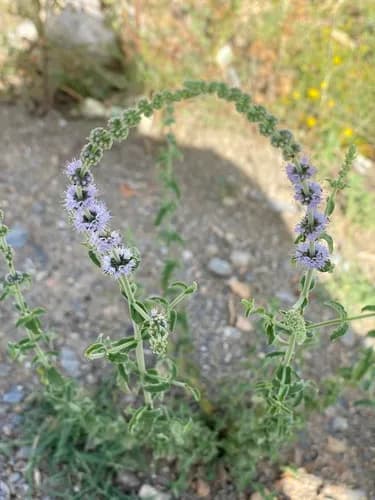
Arka Pudina: Uses, Benefits, Dosage & Side Effects
Explore Arka Pudina in Ayurveda, including traditional uses, properties, preparation guidance, side effects and precautions.


Ankol: Benefits, Uses & Ayurvedic Properties
Explore Ankol in Ayurveda, including traditional uses, properties, preparation guidance, side effects and precautions.
.%2520Monika&w=3840&q=40)

Anantmool: Benefits, Uses & Ayurvedic Properties
Explore Anantmool in Ayurveda, including traditional uses, properties, preparation guidance, side effects and precautions.