
Ayurvedic Herbs: Traditional Use, Evidence and Safety
How to judge Ayurvedic herbs safely: evidence for each herb, label checks, heavy-metal concerns, interactions and choosing a practitioner.


Key Takeaways
- Each Ayurvedic herb and formula needs its own evidence; one label cannot cover them all.
- Effects depend on the exact herb, plant part, preparation, dose and condition.
- Some products have contained lead, mercury or arsenic, so quality testing matters.
- Herbs can interact with medicines; show the exact label to your doctor or pharmacist.
Ayurveda uses many plants in distinct formulations and clinical contexts, from single herbs such as ashwagandha and tulsi to multi-herb churnas and oils. The word traditional does not by itself establish effectiveness, purity or suitability for every person. This guide explains how to think about Ayurvedic herbs, what to check on a product and how to use them safely alongside modern care.
Why one label cannot describe every Ayurvedic herb
Ashwagandha, turmeric, brahmi, triphala and other Ayurvedic herbs contain different compounds and are used for different purposes. Evidence varies by herb, plant part, preparation, dose and condition. A study of one standardised extract cannot validate a household powder, a tea or a proprietary multi-herb blend. Check the botanical name, plant part, amount and preparation before applying any research finding.
Traditional knowledge can guide questions and cultural practice, but clinical claims still need reliable human evidence. "Used for centuries" does not show the size of a benefit, the right dose or safety with modern medicines. Ayurvedic herbs should not replace diagnosis or prescribed treatment for diabetes, thyroid disease, infection, depression or cancer.
Herb names can be ambiguous
A common name may refer to more than one species, and the same plant can have different regional names. Leaves, roots, bark and seeds may contain different compounds and should not be substituted casually. Loose herbs can be harder to identify or trace after a problem, and a product may change between batches or brands even when the common name is the same.
Food spices are different from medicinal formulations
Turmeric or ginger used to season food creates a very different exposure from a concentrated capsule. The same principle applies to teas, powders, oils and fermented preparations. Herbs used in normal cooking are generally low-risk, although allergy and individual intolerance remain possible. Greater concentration, longer use and more complex health conditions call for stronger evidence, better quality assurance and closer professional oversight.
What to check on a product label
Identity, dose, testing and complete ingredients
- The botanical name and plant part for every herb, with the amount of each.
- The manufacturer's name, a batch number and an expiry date.
- Credible independent quality testing where available.
- No vague proprietary blends or guaranteed cures.
Start only one new product at a time so that effects and side effects are easier to identify. Photograph the front and back labels, note the dose and timing, and keep powders in their original labelled containers, away from children.
Heavy metals and other quality concerns
Some Ayurvedic preparations have been found to contain lead, mercury or arsenic at levels that can be toxic, and some products have contained undeclared medicines. A traditional appearance does not rule this out. Buy from a source that can answer questions about identity and testing, and never share a product casually with someone whose medicines and health conditions are unknown.
Interactions and warning signs
Herbs can affect blood glucose, blood pressure, thyroid function, sedation, bleeding or liver enzymes, and may change laboratory results without producing an obvious feeling. Tell every healthcare professional about the exact product you take, especially before surgery.
Stop and seek advice for yellow eyes, dark urine, persistent itching, severe abdominal pain or vomiting, unusual bleeding, rash, swelling or marked weakness, which can signal liver injury or another serious reaction. Seek urgent care for breathing difficulty, collapse or severe confusion. Do not continue because someone describes symptoms as detoxification or a healing crisis. Record the product name, batch, dose and when symptoms began.
Who needs extra caution
Pregnancy and breastfeeding require particular care because safety information is often limited. Children, older adults and people with liver, kidney, thyroid or autoimmune disease need individual advice before starting any concentrated herbal product.
Choosing a qualified practitioner
Ask about recognised training, experience with your condition, product sourcing, follow-up and coordination with your medical team. A responsible practitioner will discuss uncertainty, interactions and when conventional testing is needed. Be wary of anyone who tells you to stop essential medicine without the prescribing doctor, promises a cure, refuses to disclose ingredients or sells an expensive long programme before assessing you.
Keep the goal specific and agree on a review period. If the expected benefit does not appear, continuing indefinitely adds cost and risk without a clear gain. Good care can combine cultural understanding with honest evidence and medical safety.
Editorial sources
Frequently Asked Questions
Related Articles
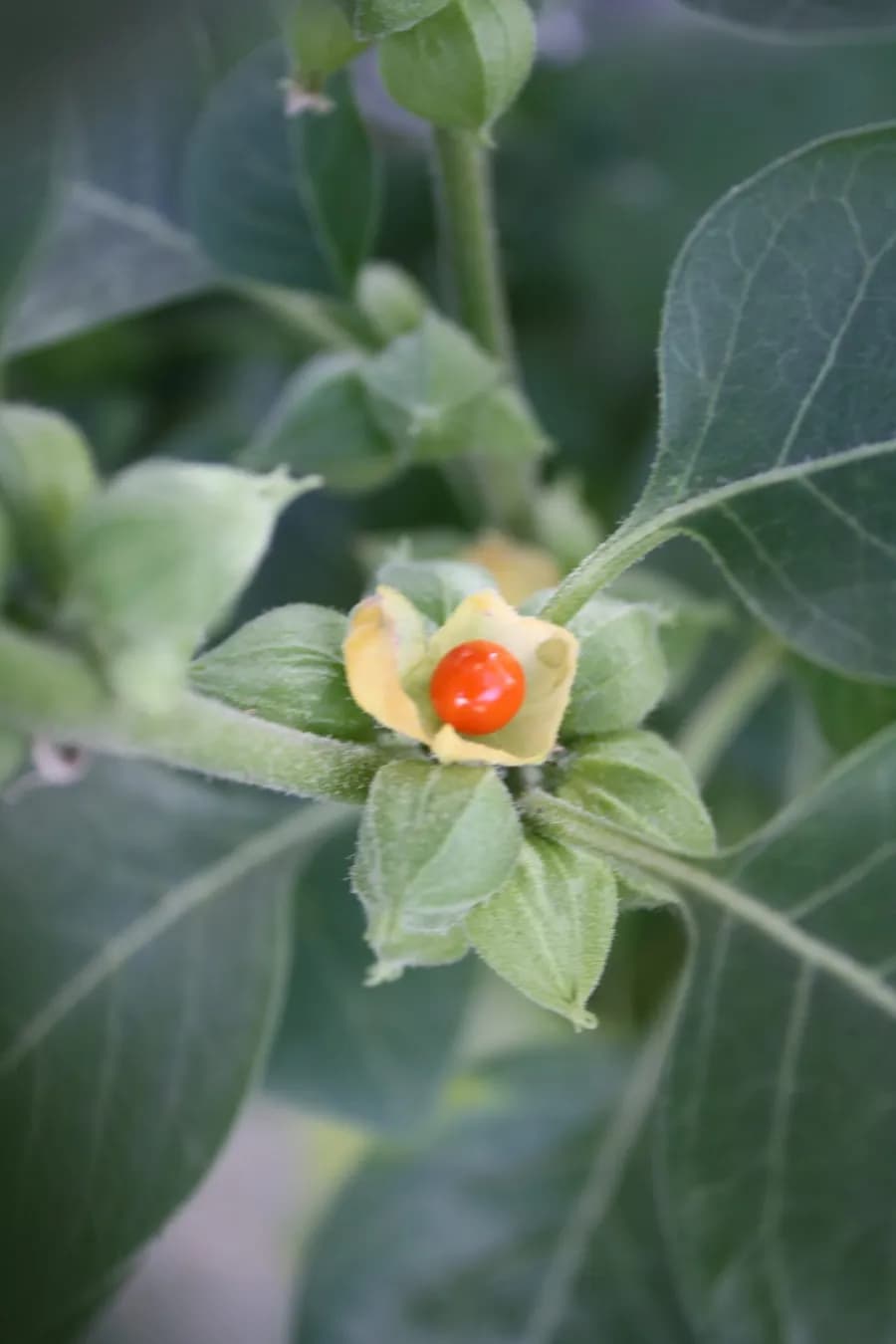
Ashwagandha: Benefits, Uses & Ayurvedic Properties
Ashwagandha (Withania somnifera) is Ayurveda's most powerful adaptogenic rasayana — reducing stress and cortisol, boosting strength and stamina, improving sleep, and supporting hormonal and cognitive health.

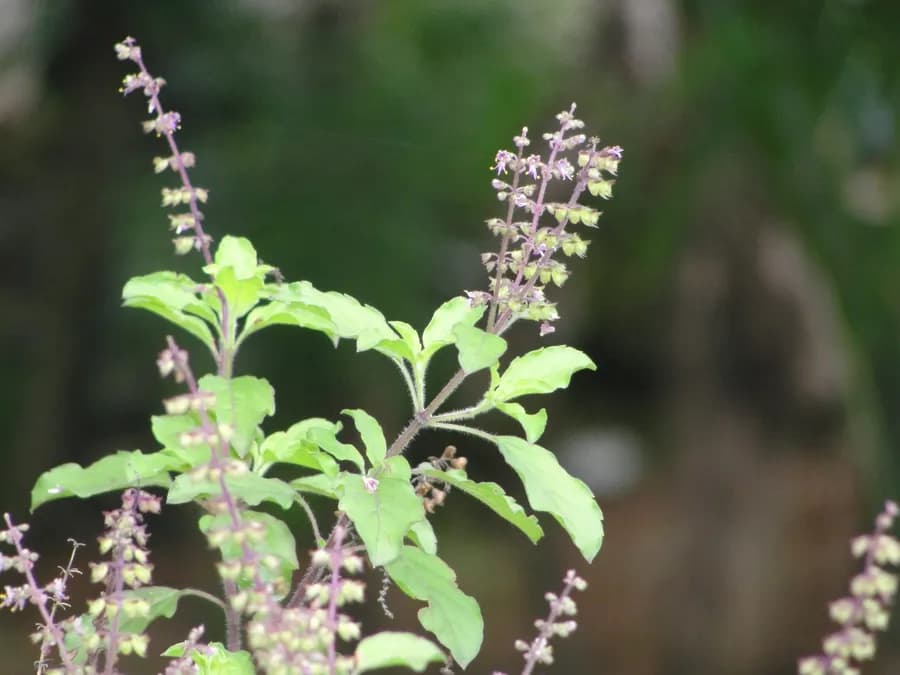
Tulsi: Benefits, Uses & Ayurvedic Properties
Tulsi (Ocimum sanctum / Holy Basil) is Ayurveda’s Queen of Herbs — a powerful adaptogen for immunity, stress, and respiratory health. Explore its.


Neem: Benefits, Uses & Ayurvedic Properties
Explore Neem (Azadirachta indica), its powerful antimicrobial, anti-inflammatory, and detoxifying properties, Ayurvedic uses, dosage, and precautions.