
Ashwagandha: Benefits, Uses & Ayurvedic Properties
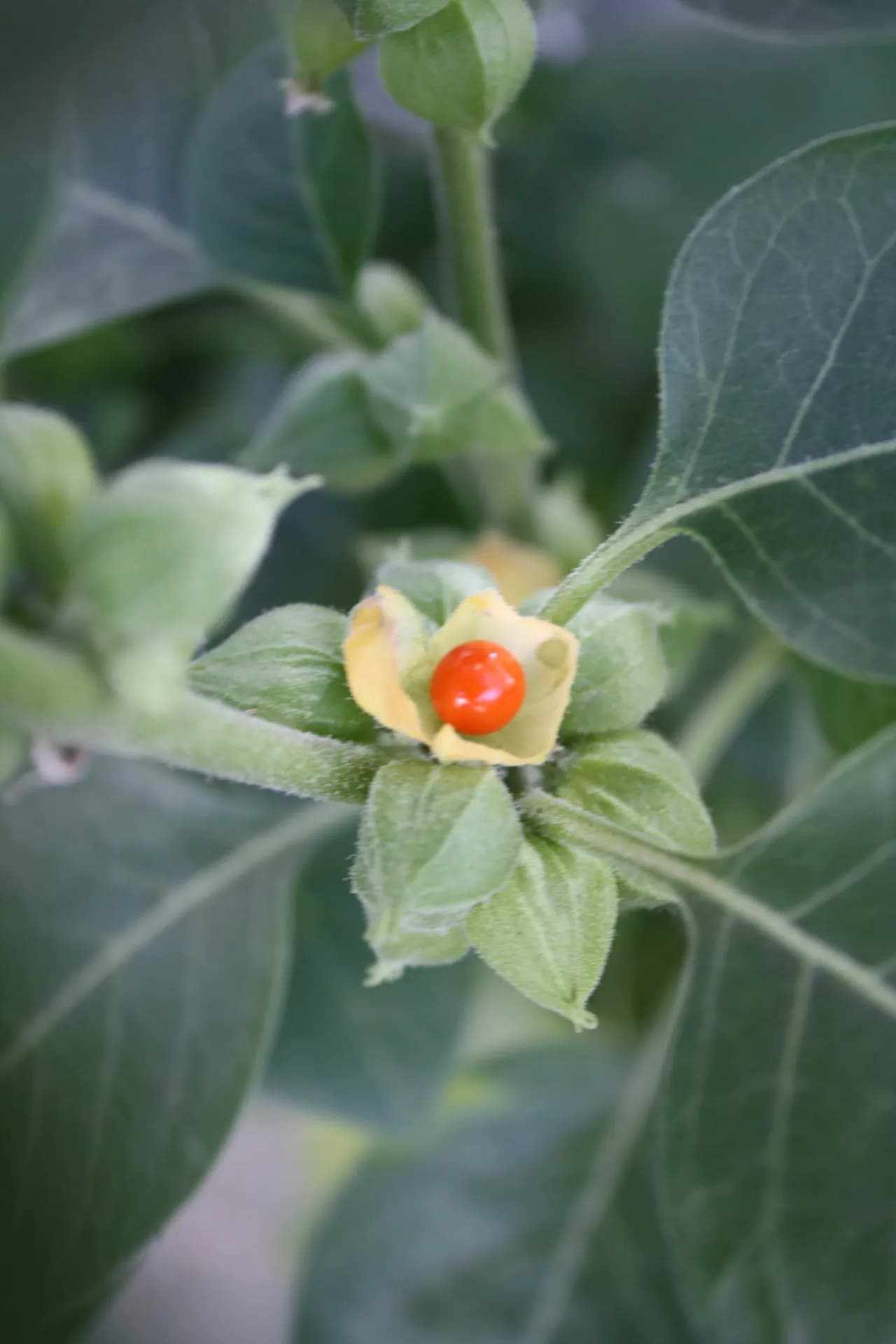
Ashwagandha (Withania somnifera) is Ayurveda's most powerful adaptogenic rasayana — reducing stress and cortisol, boosting strength and stamina, improving sleep, and supporting hormonal and cognitive health.
Key Takeaways
- Its Sanskrit name means the smell of a horse, symbolising the stamina it bestows.
- Over 200 published studies make it the world’s most clinically validated adaptogen.
- A 2019 study found 240 mg daily reduced cortisol by 22.2% and anxiety scores by 41%.
- A 2015 trial found 600 mg daily for 8 weeks increased bench press strength by 20.6 kg.
- Withanolides have testosterone-like effects that stimulate muscle protein synthesis directly.
- Classified as Vata-shamana, calming the erratic, anxious movement of Vata in the nervous system.
Ashwagandha (Ashwagandha), known botanically as Withania somnifera, is a perennial shrub from the Solanaceae family found in India, North Africa, the Mediterranean, and the Middle East. Ayurveda has revered it as the premier rasayana for vitality and strength for over 6,000 years — its Sanskrit name means “the smell of a horse,” symbolising the stamina and reproductive vigour it bestows. Modern research has firmly established Ashwagandha as the world’s most clinically validated adaptogen, with over 200 published studies confirming its stress-reducing, muscle-building, cognitive-enhancing, and hormonal-balancing properties.
Ayurvedic Properties of Ashwagandha
Health Benefits of Ashwagandha
- Adaptogenic Stress Relief and Cortisol Reduction Ashwagandha is the world’s most clinically validated natural adaptogen, proven in multiple double-blind, randomised controlled trials to reduce cortisol levels by 14–32% and significantly lower perceived stress and anxiety. Its withanolides (steroidal lactones) modulate the hypothalamic-pituitary-adrenal (HPA) axis, normalising the stress response without sedation or dependency. A landmark study in Medicine (2019) found that 240 mg/day of standardised Ashwagandha extract reduced cortisol by 22.2%, improved sleep quality, and reduced anxiety scores by 41% over 60 days. In Ayurveda, this action is classified as vata-shamana — calming the erratic, anxious movement of Vata through the nervous system.
- Muscle Strength, Endurance, and Athletic Performance Ashwagandha is one of the few herbs with robust evidence for building muscle mass, increasing strength, and improving exercise performance in healthy adults. Its balya and brimhana (strength-building and anabolic) actions work through multiple mechanisms: withanolides have testosterone-like effects that stimulate muscle protein synthesis; it reduces exercise-induced muscle damage and inflammation; and it increases VO₂ max (aerobic capacity). A 2015 RCT in the Journal of the International Society of Sports Nutrition found that 600 mg/day for 8 weeks increased bench press strength by 20.6 kg (vs. 6.1 kg placebo) and leg extension strength by 16.1 kg (vs. 4.2 kg). Classical Ayurveda prescribes Ashwagandha churna with warm milk for wrestlers, soldiers, and those requiring physical endurance.
- Sleep Quality Improvement and Insomnia Ashwagandha’s Sanskrit species name somnifera literally means “sleep-inducing,” and clinical evidence confirms its remarkable efficacy as a natural sleep aid without the dependency of pharmaceutical hypnotics. The root contains triethylene glycol, identified as the primary sleep-inducing compound. A 2019 study in PLOS ONE found that 300 mg twice daily improved sleep quality by 72%, increased total sleep time by 40 minutes, and reduced sleep onset latency in chronic insomnia patients. Unlike benzodiazepines, Ashwagandha improves sleep architecture (increases slow-wave sleep) without causing morning grogginess.
- Cognitive Enhancement and Memory Ashwagandha is a classical Ayurvedic medhya (cognitive tonic) that improves memory, attention, information processing speed, and executive function in both healthy adults and those with cognitive decline. Withanolides and sitoindosides promote dendritic growth and synaptic density in the brain — the structural basis of learning and memory. A 2017 pilot study in the Journal of Dietary Supplements found that 300 mg twice daily for 8 weeks significantly improved immediate and general memory, executive function, sustained attention, and processing speed. Charaka Samhita specifically classifies Ashwagandha among the five supreme medhya rasayana herbs for brain health.
- Testosterone, Fertility, and Reproductive Health Ashwagandha is Ayurveda’s foremost vajikarana (reproductive and aphrodisiac) herb, clinically proven to raise testosterone levels, improve sperm quality, and enhance sexual function in men. A 2010 study in Fertility and Sterility found that 5 g/day for 3 months increased testosterone by 17%, sperm count by 167%, sperm motility by 57%, and semen volume by 53% in infertile men. The mechanism involves reduced oxidative stress in testicular tissue, improved luteinising hormone (LH) levels, and cortisol reduction (as high cortisol suppresses testosterone). For women, it improves sexual function and lubrication while reducing stress-driven hormonal imbalance.
- Thyroid Support and Hormonal Balance Ashwagandha stimulates thyroid hormone synthesis, making it particularly valuable in hypothyroidism and subclinical thyroid dysfunction — one of its most clinically confirmed emerging benefits. A 2017 RCT in the Journal of Alternative and Complementary Medicine found that 600 mg/day for 8 weeks significantly increased T₃ and T₄ thyroid hormone levels and normalised TSH in subclinical hypothyroid patients. Its ushna virya (hot potency) stimulates metabolic processes governed by thyroid function. Caution: those with hyperthyroidism must avoid it as it will worsen thyroid over-activity.
- Anti-Inflammatory and Immunomodulatory Action Ashwagandha modulates the immune system bidirectionally — enhancing immune surveillance against infections while reducing excessive inflammatory responses in autoimmune and chronic inflammatory conditions. Withanolides inhibit NF-κB signalling (a master regulator of inflammation), reduce pro-inflammatory cytokines (TNF-α, IL-6), and increase natural killer (NK) cell activity. A 2021 study in Journal of Clinical Medicine found that Ashwagandha supplementation significantly improved NK cell activity and reduced inflammatory markers. Classical texts describe this as srotoshodhaka — clearing blocked channels to restore normal tissue function and immunity.
How to Use Ashwagandha
Side Effects and Precautions
Known Contraindications
- Hyperthyroidism or Graves’ disease — Ashwagandha stimulates thyroid function
- Autoimmune disorders (lupus, rheumatoid arthritis, MS) — may overstimulate immune activity
- Active peptic ulcers — hot potency may worsen gastric inflammation
Drug Interactions
- Thyroid medications (levothyroxine) — may increase thyroid hormone levels; monitoring required
- Immunosuppressants — counteracts immunosuppressive therapy
- Sedatives and CNS depressants — additive sedating effect; adjust dosage accordingly
- Antidiabetic medications — may enhance blood glucose lowering
Who Should Avoid
- Pregnant women — mild uterotonic activity; avoid therapeutic doses
- Breastfeeding mothers — safety data insufficient; avoid
- Children under 12 — not studied in paediatric populations for therapeutic dosing
Safe Dosage Range
Root powder: 3–6 g daily. Standardised extract: 300–600 mg daily (standardised to 2.5–5% withanolides). Maximum dose in clinical trials: up to 1,500 mg/day with good safety profile for 8–12 weeks. Therapeutic courses typically 8–12 weeks with a 4-week break before resuming.
Classical Text References
Charaka Samhita (Chikitsa Sthana 1.3.27–29) states: “Ashwagandha balya vrishya rasayana parayanam | Vata-Kapha-hara snigdha ushna balakaram param ||” — “Ashwagandha bestows strength, is aphrodisiac, the highest Rasayana, pacifies Vata and Kapha, is unctuous and hot in nature, and supremely increases bodily strength.” Sushruta Samhita (Sutrasthana 46.302) additionally prescribes it as the primary herb for emaciation, weakness, and sexual debility.
Related reads: Chyavanprash: Uses, Benefits, Dosage & Side Effects · Triphala: Benefits, Uses & Ayurvedic Properties
Ashwagandha’s reputation rests on calming an overactive stress response, and slow, breath-led yoga sequences work on that same axis by lowering heart rate and quieting cortisol spikes before bed. Strength-building poses like plank variations and warrior sequences also complement the herb’s muscle-toning action, while restorative postures support the deeper sleep it’s known for. For a structured way to bring that calm and strength into your routine, consider Habuild’s free yoga challenge.
Frequently Asked Questions
Related Articles
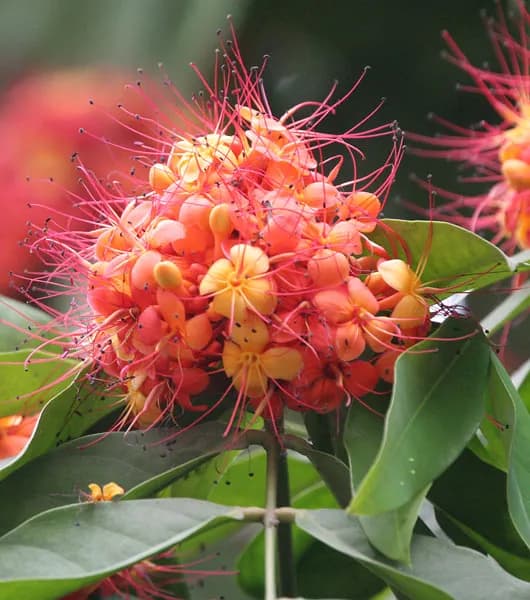
Ashoka: Benefits, Uses & Ayurvedic Properties
Ashoka (Saraca asoca) is Ayurveda's premier uterine tonic and women's herb, revered for regulating menstrual cycles, relieving menorrhagia, and supporting reproductive health. Explore its Ayurvedic properties, benefits, and dosage.
.%2520Monika&w=3840&q=40)

Arvindasava: Uses, Benefits, Dosage & Side Effects
Arvindasava is a classical Ayurvedic Asava (fermented herbal tonic) based on Arvinda (lotus flower), primarily indicated for paediatric health, improving digestion, boosting immunity, cognitive development, and growth in children. Learn its ingredients, benefits, and dosage.

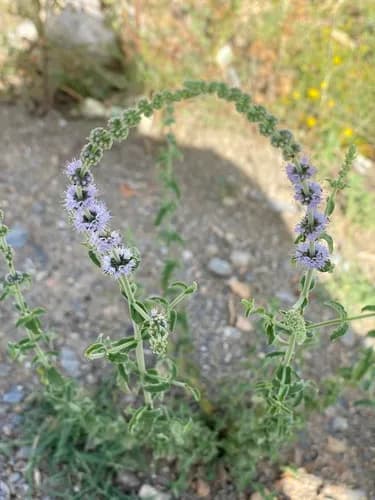
Arka Pudina: Uses, Benefits, Dosage & Side Effects
Explore Arka Pudina in Ayurveda, including traditional uses, properties, preparation guidance, side effects and precautions.