
Balarishta: Uses, Benefits, Dosage & Side Effects
Balarishta is a classical Ayurvedic Arishta formulation centred on Bala (Sida cordifolia), used for nervous system disorders, arthritis, muscle weakness, paralysis, and post-illness recovery. Explore its ingredients, benefits, dosage, and side effects.
.%2520Monika&w=3840&q=40)
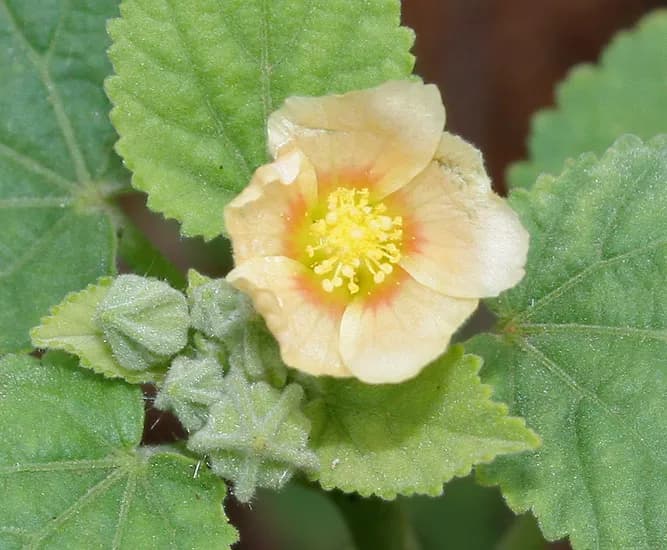
Key Takeaways
- Its chief herb Bala, Sida cordifolia, literally means strength in Sanskrit.
- Contains alkaloids related to ephedrine and pseudoephedrine alongside Ashwagandha’s withanolides.
- Prescribed traditionally for peripheral neuropathy, facial palsy, and post-stroke rehabilitation.
- Regular use over 8-12 weeks is said to improve nerve conduction velocity and reduce numbness.
- Sesame oil as a processing medium lubricates nerve sheaths and joint tissues.
- First described in the Ashtanga Hridayam’s chapter on Vata-origin diseases.
Balarishta is a well-established classical Ayurvedic fermented liquid (Arishta) formulation whose primary ingredient is Bala (Sida cordifolia), a revered Ayurvedic herb meaning “strength” in Sanskrit. First described in Ashtanga Hridayam — Vatavyadhichikitsa and referenced in Charaka Samhita, this preparation is prepared through natural herbal fermentation that ensures optimal bioavailability of its active compounds. Balarishta primarily balances Vata dosha — the governing force of the nervous system, muscular movement, and joint function — making it one of Ayurveda’s most important formulations for neurological and musculoskeletal conditions.
Balarishta — Formulation Profile
Key Ingredients of Balarishta
Therapeutic Uses and Benefits of Balarishta
- Neurological Disorders and Nerve Health Balarishta is one of Ayurveda’s foremost nervine tonics, indicated for a wide spectrum of Vata-dominant neurological conditions. The combination of Bala’s alkaloids (including ephedrine and pseudoephedrine precursors) with Ashwagandha’s withanolides provides synergistic neuroprotective and nerve-regenerating effects. This formulation is traditionally prescribed for conditions including peripheral neuropathy, facial palsy, post-stroke rehabilitation, and degenerative nerve conditions. Regular use over 8–12 weeks improves nerve conduction velocity, reduces tingling and numbness, and supports axonal regeneration in damaged nerve fibres.
- Arthritis and Joint Pain Relief Both rheumatoid arthritis (Amavata) and osteoarthritis (Sandhivata) respond positively to Balarishta due to its combined anti-inflammatory, analgesic, and tissue-rebuilding actions. Rasna specifically targets joint inflammation by inhibiting prostaglandin synthesis, while Shunthi’s gingerols reduce cytokine-mediated inflammatory cascades. Bala’s mucilaginous compounds help restore synovial fluid viscosity, reducing joint friction and grinding. Clinical Ayurvedic practice documents significant improvement in joint flexibility, morning stiffness, and pain scores when Balarishta is combined with Rasna Guggulu and external Mahanarayan Taila application.
- Muscle Weakness and Muscular Atrophy Balarishta directly addresses muscular weakness (Mamsakshaya) and muscular atrophy through its rasayana and brimhana (nourishing) properties. Ashwagandha’s evidence-based anabolic effects — increasing testosterone levels, IGF-1 activity, and protein synthesis — combine with Bala’s intrinsic muscle-strengthening properties to rebuild wasted musculature. This formulation is particularly valued for post-illness muscle wasting, elderly patients with sarcopenia, and individuals recovering from prolonged bed rest or paralysis. The fermentation process ensures the active compounds reach systemic circulation efficiently.
- Paralysis and Post-Stroke Recovery Pakshaghata (hemiplegia/paralysis) is a classical indication for Balarishta, and it remains a cornerstone of Ayurvedic stroke rehabilitation. The formulation works on multiple levels: Bala and Ashwagandha nourish the affected motor neurons; Sesame processing medium lubricates and protects nerve sheaths (Majja dhatu); and Haritaki’s deepana action ensures proper nutrient absorption for tissue rebuilding. Traditional panchakarma protocols for stroke rehabilitation invariably include Balarishta as the primary internal medicine alongside external therapies like Abhyanga and Shirodhara. Improvement in motor function, speech, and coordination is documented in classical literature and contemporary case studies.
- General Debility and Convalescence Post-illness exhaustion (Daurbalya), general weakness, and recovery from chronic disease are prime indications for Balarishta in both classical texts and modern Ayurvedic practice. The formulation’s rasayana properties rebuild all seven dhatus (body tissues) from rasa (plasma/nutrients) through shukra (reproductive tissue), ensuring comprehensive tissue regeneration. Shatavari contributes ojas-building properties that enhance cellular immunity and stamina. Many practitioners prescribe Balarishta for patients recovering from tuberculosis, cancer therapy, or major surgery to restore vitality and accelerate the healing process.
- Male Reproductive Health and Vitality Balarishta is a traditional vajikarana (aphrodisiac/reproductive tonic) that improves male reproductive health, sperm quality, and sexual vitality. Gokshura’s documented effects on testosterone levels and Ashwagandha’s sperm motility-improving properties make this formulation valuable for oligospermia, asthenospermia, and low libido. Bala itself is described in classical texts as a shukrala (semen-promoting) herb that increases sperm count and improves reproductive tissue quality. Contemporary research on Ashwagandha aligns closely with these traditional claims, showing significant improvements in semen parameters in clinical trials.
Dosage and Administration
Best taken after meals. Warm milk as Anupana enhances the formulation’s Vata-pacifying and nourishing effects. Always consult a qualified Ayurvedic physician before initiating therapy.
Side Effects and Contraindications
Known Contraindications
- Severe Pitta conditions — its ushna (heating) tendency may aggravate high Pitta states
- Active inflammatory conditions with high fever — the heating properties may worsen the condition
- Alcoholic liver disease — Arishtas contain 5–12% naturally produced alcohol
Drug Interactions
- May enhance the effect of thyroid medications (Ashwagandha’s thyroid-stimulating action)
- Use cautiously with immunosuppressant drugs due to Ashwagandha’s immune-modulating properties
- May potentiate the effects of CNS sedative medications
Who Should Avoid
- Pregnant women — particularly Ashwagandha and Pippali are contraindicated in high doses during pregnancy
- Individuals with autoimmune conditions on immunosuppressant therapy — without physician oversight
- Those with alcohol sensitivity or avoiding alcohol
- Individuals with severe hypertension — Bala contains ephedrine-related alkaloids that may raise blood pressure
Related reads: Rasanadi: Uses, Benefits, Dosage & Side Effects · Dashmoolarishta: Uses, Benefits, Dosage & Side Effects
Balarishta is used where the nervous system and muscles need rebuilding, and slow, supported asana work — gentle joint mobilization and steady isometric holds — offers a complementary way to regain strength and coordination during recovery. The repetitive, mindful nature of yoga practice also tends to support nerve-muscle communication over time, which aligns with what this Bala-based Arishta encourages. If you’re rebuilding strength gradually, Habuild’s free yoga challenge is paced with exactly that in mind.
Frequently Asked Questions
Related Articles

Baheda: Benefits, Uses & Ayurvedic Properties
Baheda (Terminalia bellerica), known as Vibhitaki in Sanskrit, is one of Ayurveda's most powerful Tridosha-balancing herbs. A key component of Triphala, it supports digestive health, respiratory function, eye health, and diabetes management.


Badi Elaichi (Large Cardamom): Benefits, Uses & Ayurvedic Properties
Badi Elaichi (Amomum subulatum), Black or Large Cardamom, is an Ayurvedic spice herb prized for digestive, respiratory, and cardiac support. Learn its Ayurvedic properties, health benefits, and how to use it safely.


Bach: Benefits, Uses & Ayurvedic Properties
Bach (Acorus calamus / Vacha) is a powerful Ayurvedic Medhya Rasayana for cognitive enhancement, speech, and respiratory health. Discover its properties, dosage, and classical uses.