Pashanbhed: Benefits, Uses & Ayurvedic Properties
Pashanbhed (Bergenia ligulata), the Stone Breaker herb, is a renowned Ayurvedic diuretic used for kidney stones, urinary disorders, and liver health..
Key Takeaways
- Its Sanskrit name literally translates to stone breaker, describing its main action.
- Bergenin and tannin compounds help break down calcium oxalate mineral deposits.
- Classified under Mutravirechaniya, urinary detoxifying drugs, in the Charaka Samhita.
- Its diuretic action flushes bacteria and irritants for both UTIs and urinary retention.
- Bergenin content reduces pro-inflammatory cytokines relevant to arthritis and joint pain.
- Roots and rhizomes, harvested from Himalayan rocky terrain, are the primary medicinal part.
What is Pashanbhed?
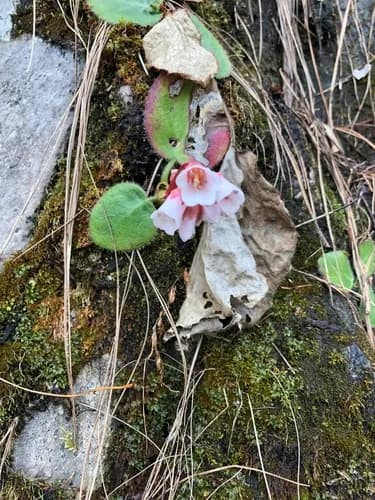
Pashanbhed (पाषाणभेद), meaning “stone breaker” in Sanskrit, is a powerful Ayurvedic herb with the botanical name Bergenia ligulata, belonging to the Saxifragaceae family. The name is highly descriptive of its primary therapeutic action — its ability to break down and dissolve urinary stones (kidney stones and bladder stones). This herb flourishes in the Himalayan region, particularly in rocky mountainous terrain, and is characterized by its thick, broad leaves and attractive pink flowers. Its roots and rhizomes are the primary parts used medicinally.
Ayurvedic Properties of Pashanbhed
| Property | Detail |
| --- | --- |
| Sanskrit Name | Pashanbhed (पाषाणभेद), Ashmabhid, Shilaputra |
| Rasa (Taste) | Kashaya (Astringent), Tikta (Bitter), Madhura (Sweet) |
| Guna (Quality) | Laghu (Light), Ruksha (Dry) |
| Virya (Potency) | Sita (Cooling) |
| Vipaka (Post-digestive) | Madhura (Sweet) |
| Dosha Effect | Balances Kapha and Pitta; mildly supports Vata regulation |
| Part Used | Roots and rhizomes (primarily); leaves and whole plant also used |
Health Benefits of Pashanbhed
- Kidney Stone Dissolution Pashanbhed is Ayurveda’s foremost herb for managing urinary calculi (kidney stones). Its lithotriptic (stone-dissolving) properties are attributed to bergenin and other tannin compounds that help break down calcium oxalate and other mineral deposits in the urinary tract. Regular use of Pashanbhed decoction helps both prevent new stone formation and gradually dissolve existing small stones, facilitating their safe elimination through urine.
- Urinary Tract Health and Diuresis Pashanbhed is one of Ayurveda’s most potent Mutral (diuretic) herbs, significantly increasing urine output and flow. This diuretic action flushes bacteria, irritants, and metabolic waste from the urinary tract, making it highly effective for urinary tract infections (UTIs), urinary retention, and burning during urination (Mutrakrichra). It soothes the inflamed mucosa of the bladder and urinary channels.
- Supports Kidney Function Beyond stone dissolution, Pashanbhed supports overall kidney health by reducing oxidative stress on renal tissue and improving filtration efficiency. Its anti-inflammatory and antioxidant properties protect the nephrons from damage caused by chronic inflammation or recurrent infections. In Ayurveda, it is classified under Mutravirechaniya (urinary detoxifying) drugs in texts like Charaka Samhita.
- Liver Detoxification Pashanbhed has hepatoprotective properties that support liver detoxification and regeneration. Its bitter and astringent properties stimulate bile secretion, improving fat digestion and liver metabolism. The herb helps clear hepatic Ama (metabolic toxins) and is used in Ayurvedic practice for jaundice and liver congestion as part of a multi-herb protocol.
- Anti-inflammatory and Joint Health Pashanbhed’s cooling and anti-inflammatory properties extend to musculoskeletal conditions including arthritis and joint pain. Its bergenin content reduces pro-inflammatory cytokines, providing relief from swollen, painful joints. In Ayurveda, it is particularly useful for Kapha-type arthritis where joint swelling and fluid accumulation are the predominant symptoms.
- Digestive and Gastrointestinal Support The astringent and antimicrobial properties of Pashanbhed make it useful for gastrointestinal disorders including gastritis, diarrhea, and intestinal infections. It tones the intestinal lining, reduces excessive secretions, and exerts mild anti-ulcer effects. Its bitter taste also stimulates digestive enzyme secretion, improving overall digestive efficiency.
- Wound Healing and Topical Applications Pashanbhed root paste has been traditionally used topically for wound healing, skin inflammation, and reducing localized swelling. Its astringent and antimicrobial properties promote tissue repair by creating a protective barrier over wounds and preventing bacterial colonization. This traditional wound-care application complements its systemic anti-inflammatory role.
How to Use Pashanbhed
| Form | Dosage | How to Take |
| --- | --- | --- |
| Root Powder (Churna) | 3–6 grams | Twice daily with water or honey; for kidney stones and UTIs |
| Decoction (Kwath) | 20–30 ml | Twice daily; concentrated root decoction for kidney stone management |
| With Honey | 3 grams powder | Mixed with honey and taken on empty stomach for enhanced diuretic effect |
| Root Paste (Topical) | As needed | Applied to wounds, inflamed joints, or skin conditions; leave for 20 minutes then rinse |
Side Effects & Precautions
Pashanbhed should be used cautiously by individuals with pre-existing kidney disease, as its strong diuretic action may cause electrolyte imbalances without proper medical monitoring. Pregnant and breastfeeding women should consult a qualified healthcare provider before using Pashanbhed medicinally, as its diuretic properties may be contraindicated. Individuals on blood pressure medications should be aware of potential additive diuretic effects. Long-term high-dose use without medical supervision is not recommended. Self-medication for kidney stones should be avoided — Pashanbhed can dissolve small stones, but larger calculi require medical evaluation to prevent complications.
Classical References
Pashanbhed (Ashmabhid) is described in the Charaka Samhita under the Mutravirechaniya Mahakashaya (group of diuretic herbs) and is classified as a primary herb for Ashmari (urinary calculi) treatment. The Sushruta Samhita also references it for kidney and bladder stone management. The Ashtanga Hridayam by Vagbhata describes its use in Mutrakrichra (dysuria) and Ashmarihara (stone-dissolving) formulations. The Bhavaprakasha Nighantu places it under Guduchyadi Varga and highlights its cooling, diuretic, and Pitta-Kapha pacifying properties. It remains a cornerstone herb in classical Ayurvedic urological treatments.
Frequently Asked Questions
Related Articles

Banyan Tree: Benefits, Uses & Ayurvedic Properties
The Banyan tree (Ficus benghalensis), sacred in Ayurveda as Vata Vriksha, is a powerful medicinal plant used for digestive health, skin conditions, diabetes, reproductive health, and wound healing. Explore its complete Ayurvedic profile.

Baheda: Benefits, Uses & Ayurvedic Properties
Baheda (Terminalia bellerica), known as Vibhitaki in Sanskrit, is one of Ayurveda's most powerful Tridosha-balancing herbs. A key component of Triphala, it supports digestive health, respiratory function, eye health, and diabetes management.

Babul: Benefits, Uses & Ayurvedic Properties
Babul (Vachellia nilotica / Acacia nilotica), known as Babula in Ayurveda, is a powerful astringent and antimicrobial herb used for oral health, digestive disorders, skin conditions, and joint pain. Discover its Ayurvedic properties and uses.