
Saubhagya Shunthi: Uses, Benefits, Dosage & Side Effects
Saubhagya Shunthi is a classical Ayurvedic compound preparation based on dry ginger (shunthi), specifically indicated for post-partum care, digestive.

Key Takeaways
- Its name Saubhagya translates to good fortune or auspiciousness in Sanskrit.
- Shunthi’s hot potency stimulates uterine contractions to aid post-delivery involution.
- Traditional practice starts this preparation 2-5 days after delivery under guidance.
- Ajwain, hingu, and maricha collectively relieve the bloating common after childbirth.
- Indicated for Vata-type dysmenorrhoea marked by colicky, cramping menstrual pain.
- Ghee and jaggery in the formula nourish tissues depleted by the demands of childbirth.
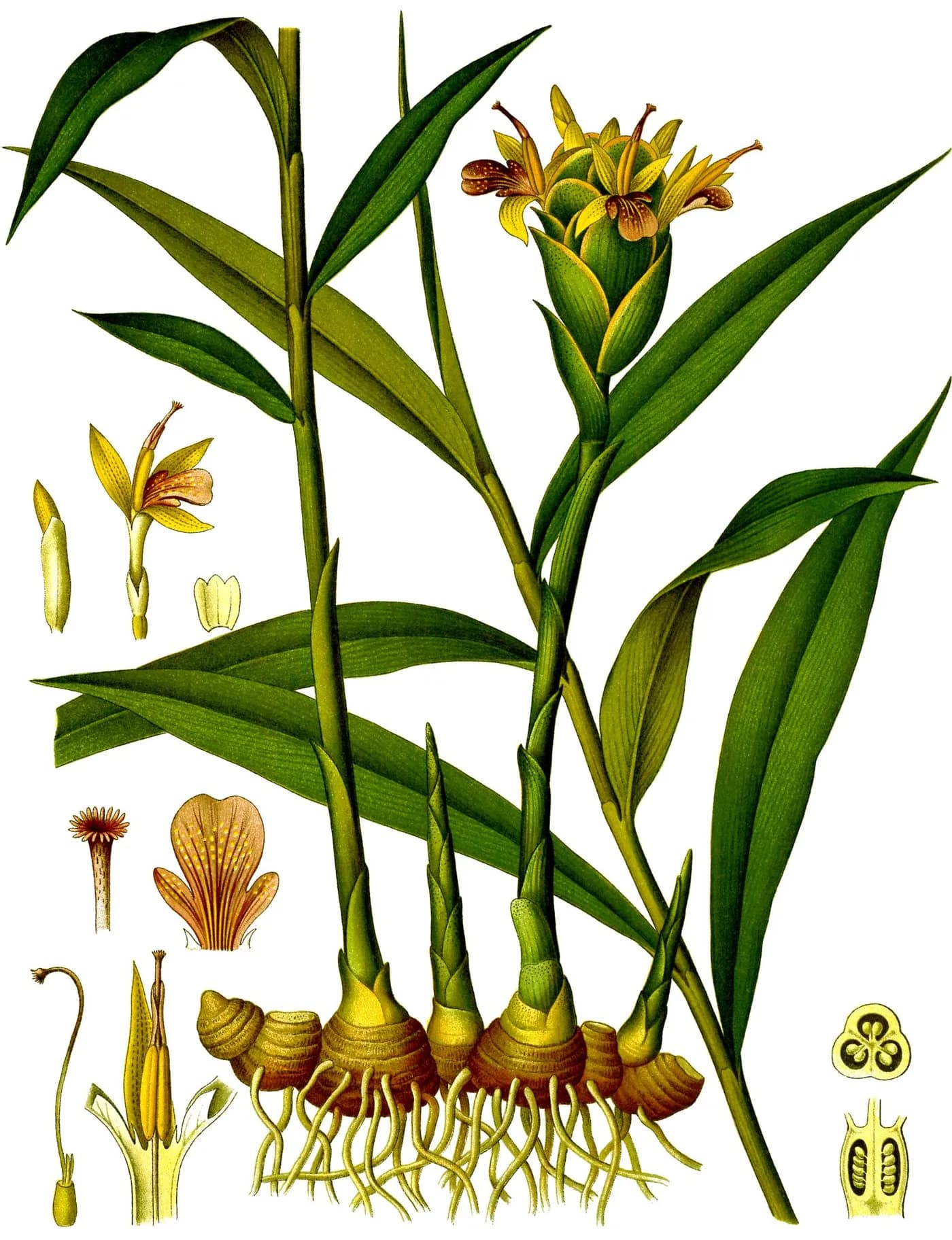
Saubhagya Shunthi is a classical Ayurvedic compound preparation (compound formulation) primarily based on shunthi (dry ginger, Zingiber officinale) combined with supportive herbs and adjuvants. “Saubhagya” translates to “good fortune” or “auspiciousness,” reflecting its traditional role in women’s post-partum health. It is documented in classical texts as a rasayana (rejuvenative) preparation for women during the post-delivery period, and for digestive, Vata, and Kapha-type conditions. It balances Vata and Kapha doshas.
Saubhagya Shunthi — Formulation Profile
| Property | Details |
| --- | --- |
| Formulation Type | Classical compound preparation (Shunthi-based compound) |
| Classical Source | Ashtanga Hridayam (Uttara Sthana), Charaka Samhita (Chikitsa Sthana) |
| Primary Dosha | Vata, Kapha |
| Primary System | Reproductive system (Artavavaha Srotas), Digestive system |
| Anupana (Vehicle) | Warm milk, warm water, or ghee |
Key Ingredients
| Ingredient | Sanskrit Name | Role |
| --- | --- | --- |
| Dry Ginger | Shunthi | Primary ingredient — deepana, vata-kapha-nashana, analgesic, uterine tonic |
| Jaggery | Guda | Anupana base, nourishing, mildly laxative, sweetener |
| Ghee | Ghrita | Snehana (oleation), nourishes reproductive tissues, carrier for fat-soluble phytochemicals |
| Long Pepper | Pippali | Enhances bioavailability, respiratory support, deepana |
| Black Pepper | Maricha | Carminative, anti-ama, bioavailability enhancer |
| Ajwain (Carom Seeds) | Yavani / Ajamoda | Uterine stimulant, carminative, relieves post-partum colic |
| Rock Salt | Saindhava Lavana | Digestive, carminative, balances Vata |
| Asafoetida | Hingu | Vata-nashana, relieves abdominal bloating and colic |
Therapeutic Uses and Benefits
- Post-Partum Recovery and Uterine Toning Saubhagya Shunthi is classically prescribed during the post-partum period (sutika kala) to restore uterine tone, aid involution, expel retained lochia, and rebuild strength after childbirth. Shunthi’s ushna (hot) potency stimulates uterine contractions, aids in clearing post-delivery ama, and warms the depleted Vata state typical of new mothers. Combined with ghee and jaggery, it simultaneously nourishes the depleted tissues. Traditional practice recommends starting this preparation 2–5 days after delivery under qualified guidance.
- Digestive Restoration in Post-Delivery Period Childbirth causes significant Vata aggravation that commonly manifests as digestive irregularity, constipation, and gas. Saubhagya Shunthi directly addresses this with its deepana-pachana (digestive fire restoration and ama-burning) action. Shunthi, ajwain, hingu, and maricha collectively stimulate sluggish digestion, relieve bloating, and promote normal bowel function in the newly delivered mother.
- Relief from Dysmenorrhoea and Menstrual Pain Beyond post-partum use, Saubhagya Shunthi is indicated for dysmenorrhoea (painful menstruation), particularly the Vata-type characterised by colicky, cramping pain and irregular flow. The anti-spasmodic and Vata-balancing properties of shunthi, combined with the warming of pippali and ajwain, reduce uterine spasm and promote even, pain-free menstrual flow. It is often recommended for 2–3 days before and during menstruation.
- Management of Vata-Kapha Type Cough and Cold The warming, Kapha-clearing properties of this formulation extend to the respiratory system. Saubhagya Shunthi is indicated in chronic Vata-Kapha type cough, bronchitis, and cold conditions. The trikatu-like action of shunthi-pippali-maricha loosens congestion, reduces bronchial spasm, and warms the airways. Post-partum mothers are particularly susceptible to respiratory infections, making this dual digestive-respiratory action especially valuable.
- Articular Pain and Vata-Type Musculoskeletal Conditions The profoundly Vata-pacifying nature of shunthi makes Saubhagya Shunthi relevant for joint pain, stiffness, and musculoskeletal discomfort. Its anti-inflammatory gingerols and shogaols (primary bioactive constituents of shunthi) have been extensively studied. A meta-analysis in Osteoarthritis and Cartilage (Bartels et al., 2015) confirmed significant pain reduction and functional improvement with ginger supplementation in osteoarthritis patients.
- General Strengthening and Rasayana Effect The combination of ghee, jaggery, and shunthi in Saubhagya Shunthi gives it a mild rasayana (rejuvenative) quality suitable for convalescence after illness, weakness, and debility. It rebuilds ojas (vital essence), nourishes the seven dhatus (body tissues) progressively, and restores physical vitality. This makes it useful beyond post-partum context for general weakness and digestive debility in Vata-Kapha constitutions.
Dosage and Administration
| Age Group | Dosage | Frequency | Anupana | Duration |
| --- | --- | --- | --- | --- |
| Post-partum women | 5–10 g (traditional laddoo or churna form) | Once or twice daily | Warm milk with ghee | 40 days post-delivery (traditionally) |
| Adult women (general use) | 3–5 g powder | Twice daily | Warm water or warm milk | 4–6 weeks as advised |
| Adult men (digestive/Vata conditions) | 2–3 g powder | Once or twice daily | Warm water | As prescribed |
Side Effects and Contraindications
Known Contraindications
- Active gastric ulcer or severe Pitta aggravation — hot potency may worsen
- High-grade fever (Pitta-type jwara)
- Pregnancy — uterine stimulant components; avoid before delivery unless prescribed
- Bleeding disorders — shunthi may mildly affect platelet aggregation
Drug Interactions
- Anticoagulants (warfarin, heparin) — ginger may mildly increase bleeding risk
- Antidiabetic medications — ginger may lower blood glucose; monitor levels
- Antihypertensive drugs — mild additive hypotensive effect possible
Who Should Avoid
- Individuals with active hyperacidity or GERD
- Children under 12 without physician oversight
- Those with known allergy to any Zingiberaceae family plants
Frequently Asked Questions
Related Articles

Ahiphenasava: Uses, Benefits, Dosage & Side Effects
Explore Ahiphenasava in Ayurveda, including traditional uses, properties, preparation guidance, side effects and precautions.


Bharangi: Benefits, Uses & Ayurvedic Properties
Bharangi (Clerodendrum serratum) is a classical Ayurvedic herb for asthma, sinusitis, and chronic cough. Explore its properties, dosage, and evidence-based respiratory benefits.


Bhallatkadi Modak: Uses, Benefits, Dosage & Side Effects
Bhallatkadi Modak is a classical Ayurvedic sweet formulation centred on purified Bhallataka (marking nut) used for liver and spleen disorders, digestive health, and general debility. Learn its ingredients, benefits, and safe dosage.