
Senna: Benefits, Uses & Ayurvedic Properties
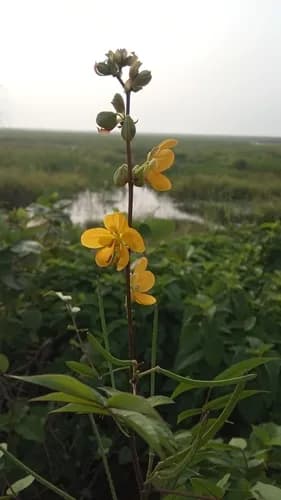
Explore the Ayurvedic benefits of Senna (Swarnapatri / Cassia angustifolia) — a powerful natural laxative for constipation relief, digestive detox, and.
Key Takeaways
- Active compounds called sennosides stimulate peristalsis for reliable bowel movement.
- Used as a Virechana purgative herb in Panchakarma to eliminate accumulated Ama.
- Widely used to prepare the bowel before surgical procedures and colonoscopies.
- Its mild diuretic property helps reduce abdominal bloating and water retention.
- Cholagogue action improves bile flow, supporting fat digestion and cholesterol metabolism.
- Approved by international health authorities for short-term acute constipation relief.
What is Senna?
Senna (Sanskrit: Swarnapatri, स्वर्णपत्री) is a well-known Ayurvedic and Unani herb botanically identified as Cassia angustifolia (or Senna alexandrina), belonging to the Fabaceae family. Native to tropical Africa and widely cultivated in India, especially in Tamil Nadu, its leaves and pods are the primary medicinal parts. Senna has been used for centuries across traditional medicine systems as a potent, reliable laxative for treating constipation and promoting intestinal health.
Ayurvedic Properties of Senna
| Property | Detail |
| --- | --- |
| Sanskrit Name | Swarnapatri (स्वर्णपत्री), Markandika |
| Rasa (Taste) | Madhura (Sweet), Tikta (Bitter) |
| Guna (Quality) | Laghu (Light), Ruksha (Dry) |
| Virya (Potency) | Ushna (Hot) |
| Vipaka (Post-digestive) | Katu (Pungent) |
| Dosha Effect | Vata and Pitta pacifying; may aggravate Kapha in excess |
| Part Used | Leaves and Pods |
Health Benefits of Senna
- Constipation Relief Senna is one of the most effective natural laxatives recognized by both Ayurveda and modern medicine. Its active compounds — sennosides — stimulate peristalsis (the rhythmic contraction of intestinal muscles), facilitating easy bowel movements. It is particularly recommended for short-term relief of acute constipation and is approved by international health authorities for this purpose.
- Digestive Detoxification In Ayurveda, Senna is used as a Virechana (purgative therapy) herb to eliminate accumulated Ama (toxins) from the digestive tract. This cleansing action is beneficial prior to Panchakarma treatments and helps restore the natural rhythm of the colon. Regular, supervised cleansing with Senna improves nutrient absorption and digestive efficiency.
- Bowel Preparation and Cleansing Senna is widely used to prepare the bowel before surgical procedures and colonoscopies due to its reliable and thorough cleansing action. It ensures complete evacuation of the large intestine without causing residual inflammation. Medical practitioners often recommend Senna-based preparations for this purpose.
- Reducing Bloating and Water Retention Senna possesses mild diuretic properties that help reduce abdominal bloating and water retention in the intestines. By facilitating the movement of stool and trapped gases through the bowel, it effectively alleviates discomfort associated with gas and bloating. This makes it a popular choice in Ayurvedic formulations for digestive comfort.
- Liver and Gallbladder Support The cholagogue (bile-stimulating) properties of Senna help improve bile flow from the liver and gallbladder into the intestines. This supports fat digestion and cholesterol metabolism, reducing the burden on the liver. In Ayurvedic practice, it is used in combination with other hepatoprotective herbs for comprehensive liver support.
- Skin Health through Internal Cleansing According to Ayurvedic principles, many skin disorders originate from toxin accumulation in the large intestine (Purisha Dhatu). By promoting regular bowel evacuation, Senna indirectly supports clearer skin and reduces conditions linked to internal toxicity. It is sometimes recommended as part of an Ayurvedic skin-clearing protocol.
How to Use Senna
| Form | Dosage | How to Take |
| --- | --- | --- |
| Leaf Powder (Churna) | 1–2 g at bedtime | Mix with warm water or honey; take once daily short-term |
| Senna Tea (Infusion) | 1–2 g leaves steeped in hot water | Drink at night; results expected within 6–12 hours |
| Tablet/Capsule | 17.2 mg sennosides once daily | Take with a full glass of water; do not exceed recommended dose |
| Pods (Swarnapatri) | 3–6 pods per day | Soak in warm water and drink; milder action than leaves |
Side Effects & Precautions
Senna is safe for short-term use (up to 2 weeks) but prolonged use can lead to laxative dependence, electrolyte imbalances, and weakened bowel function. It should be avoided by those with Crohn’s disease, ulcerative colitis, intestinal obstruction, or appendicitis. Pregnant and breastfeeding women must avoid Senna as it may stimulate uterine contractions. Children under 12 should only use it under medical supervision. Always consult an Ayurvedic physician for appropriate dose and duration.
Classical References
Senna (Swarnapatri) is described in classical Ayurvedic texts including Dhanwantari Nighantu and Raja Nighantu, where it is classified as a Bhedaniya (bowel-clearing) drug. It is also referenced in the Unani Materia Medica as an important purgative. The Ayurvedic Formulary of India and the Ayurvedic Pharmacopoeia of India both list Swarnapatri as an official drug. In Bhavaprakasha Nighantu, it is mentioned under the Haritakyadi Varga for its laxative and detoxifying properties.
Frequently Asked Questions
Related Articles
Amaltas: Benefits, Uses & Ayurvedic Properties
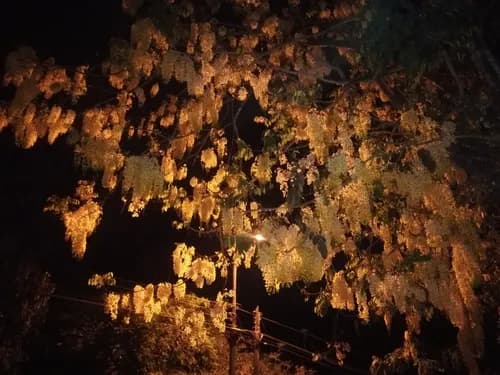
Explore Amaltas in Ayurveda, including traditional uses, properties, preparation guidance, side effects and precautions.


Bharangi: Benefits, Uses & Ayurvedic Properties
Bharangi (Clerodendrum serratum) is a classical Ayurvedic herb for asthma, sinusitis, and chronic cough. Explore its properties, dosage, and evidence-based respiratory benefits.

Banafsha: Benefits, Uses & Ayurvedic Properties
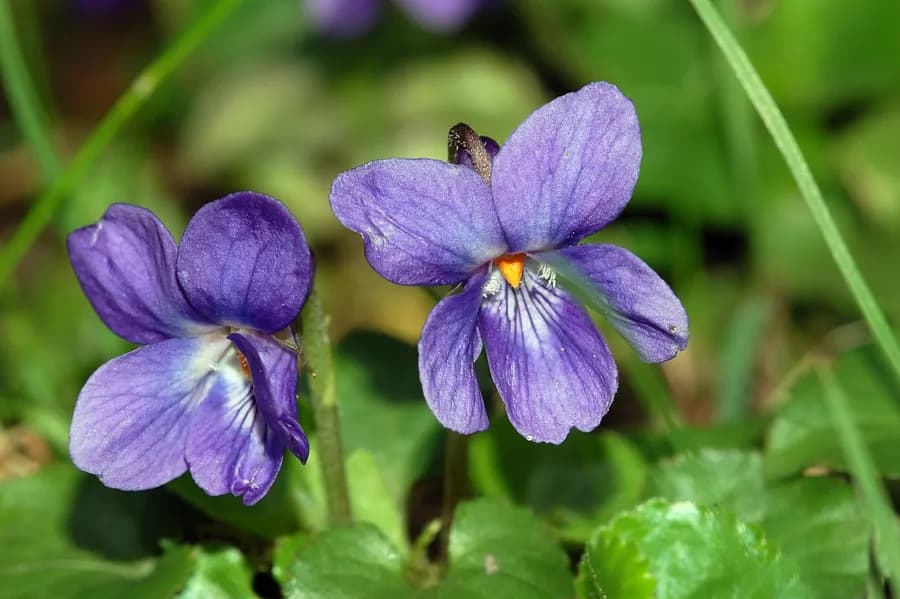
Banafsha (Viola odorata / Sweet Violet) is a powerful Ayurvedic herb for cough, asthma, fever, and skin inflammation. Discover its benefits, dosage, and traditional uses.