
Ulatkambal: Benefits, Uses & Ayurvedic Properties
Ulatkambal (Devil’s Cotton, Abroma augusta) is an important Ayurvedic herb for women’s health, menstrual disorders, diabetes, and wound healing. Discover.


Key Takeaways
- Its name comes from the plant’s distinctive inverted, pendulous flowers.
- A 2001 Journal of Ethnopharmacology study confirmed root extract induces menstruation in amenorrhea.
- Stimulates insulin secretion from pancreatic beta cells while also inhibiting glucose absorption.
- Multiple studies found antidiabetic activity comparable to standard hypoglycemic medications.
- Root bark decoction addresses amenorrhea, oligomenorrhea, and painful periods classically.
- Emmenagogue alkaloids stimulate uterine contractions to restore normal menstrual cycles.
Ulatkambal (Sanskrit: Pivari, also known as Devil’s Cotton), botanically Abroma augusta (L.) L.f., belonging to the family Malvaceae (formerly Sterculiaceae), is a shrub native to South and Southeast Asia, Australia, and Africa, widely found in tropical India, Bangladesh, and Sri Lanka. The plant is distinctive for its inverted, pendulous flowers giving rise to the common name “Ulatkambal” (inverted cotton). Ayurveda uses it specifically for uterine disorders, menstrual irregularities, diabetes management, and wound healing. Modern research confirms its antidiabetic, emmenagogue, and anti-inflammatory properties.
Ayurvedic Properties of Ulatkambal
| Property | Value |
| --- | --- |
| Sanskrit Name | Pivari, Ulatkambal (common name adopted), Brihat Kantakari (in some regional traditions) |
| Other Names | Devil’s Cotton, Ulatkambal (Hindi), Sima Thumbai (Tamil), Abroma (English) |
| Botanical Name | Abroma augusta (L.) L.f. |
| Plant Family | Malvaceae (Sterculiaceae) |
| Part Used | Root bark, leaf juice, stem bark |
| Rasa (Taste) | Tikta (bitter), Katu (pungent) |
| Guna (Quality) | Laghu (light), Ruksha (dry), Tikshna (sharp) |
| Virya (Potency) | Ushna (hot) |
| Vipaka | Katu (pungent post-digestive effect) |
| Doshic Action | Vata-Kapha shamaka; reduces Vata and Kapha with moderate Pitta activation |
| Primary Action | Garbhashaya shodhana (uterine cleanser/emmenagogue), Artavajanana (menstrual stimulant), Madhumehaghna (antidiabetic), Vrana ropana (wound healing), Vedanasthapana (analgesic) |
Health Benefits of Ulatkambal
- Menstrual Regulation and Uterine Health Ulatkambal’s most significant classical indication is Artavajanana — stimulating and regulating menstruation — making it a primary herb for menstrual disorders. Its root bark decoction is used in Ayurvedic and folk medicine for amenorrhea (absent periods), oligomenorrhea (scanty periods), and dysmenorrhea (painful periods). The emmenagogue alkaloids stimulate uterine contractions and promote endometrial shedding, restoring normal menstrual cycles. A clinical study published in the Journal of Ethnopharmacology confirmed significant efficacy of Ulatkambal root extract in inducing menstruation in amenorrheic patients. (2001)
- Antidiabetic and Blood Sugar Management Ulatkambal is extensively used in traditional Indian medicine as Madhumehaghna (antidiabetic), and modern pharmacological research has strongly validated this use. Aqueous and ethanolic root bark extracts significantly reduce fasting blood glucose, improve glucose tolerance, and enhance insulin sensitivity in diabetic animal models. The mechanism involves stimulation of insulin secretion from pancreatic beta cells, inhibition of intestinal glucose absorption, and improvement of peripheral glucose uptake. Multiple studies confirm antidiabetic activity comparable to standard hypoglycemic agents at therapeutic doses. (Journal of Ethnopharmacology, 2005; Phytotherapy Research, 2009)
- Anti-inflammatory and Analgesic Effects Ulatkambal demonstrates significant anti-inflammatory activity through inhibition of COX and LOX pathways, reducing prostaglandin synthesis. In vivo studies confirm significant reduction in carrageenan-induced paw oedema and acetic acid-induced writhing — standard models for assessing anti-inflammatory and analgesic efficacy. This supports its traditional use for joint pain, inflammatory conditions, and dysmenorrhea. The alkaloids and flavonoids in the root bark are the primary active anti-inflammatory constituents. (Asian Pacific Journal of Tropical Biomedicine, 2012)
- Wound Healing and Skin Repair As Vrana ropana (wound healer), Ulatkambal leaf paste and root bark extracts accelerate wound closure, promote tissue granulation, and prevent wound infection. The plant’s tannins provide astringent activity that promotes tissue contraction and hemostasis, while its antimicrobial properties prevent secondary infection. Studies confirm that topical application of Ulatkambal extract significantly reduces wound healing time and increases tensile strength of healed tissue compared to controls. Traditional Ayurvedic practice applies leaf paste directly to wounds and ulcers.
- Nervous System and Analgesic Support Ulatkambal demonstrates CNS depressant and analgesic activities through modulation of GABA-ergic and opioid pathways. Animal studies confirm dose-dependent sedative effects and significant antinociceptive (pain-relieving) activity in hot plate and tail flick tests. This provides scientific basis for its traditional use in managing pain conditions, nervous debility, and as a calming herb for Vata-driven neurological imbalances. The root bark decoction is used in traditional practice for sciatica and nerve pain.
- Antimicrobial Activity Phytochemical analysis of Ulatkambal reveals alkaloids (abromine, choline), flavonoids, tannins, and sterols that collectively provide significant antimicrobial activity. The root bark extracts demonstrate antibacterial activity against Staphylococcus aureus, Streptococcus pyogenes, E. coli, and antifungal activity against Candida albicans. This supports traditional use in infected wounds, urinary tract infections, and vaginal infections in women. (Pharmacognosy Magazine, 2010)
- Fertility and Reproductive Support Beyond its emmenagogue properties, Ulatkambal is used in traditional medicine to support fertility by promoting regular ovulation and a healthy uterine environment. By regulating menstrual cycles and clearing uterine stagnation (Ama), it creates favorable conditions for conception. The warming properties address Vata-Kapha imbalances that contribute to reproductive disorders. It is particularly valued in folk medicine for managing PCOS-associated menstrual irregularities and for preparing the uterus for conception.
How to Use Ulatkambal
| Form | Preparation | Dosage | Best Time |
| --- | --- | --- | --- |
| Root bark decoction | Boil 5–10 g dried root bark in 200 ml water; reduce to half | 50–100 ml twice daily | After meals; for menstrual disorders, start 5 days before expected period |
| Root bark powder | Dried root bark ground to fine powder | 1–3 g with warm water or honey | Twice daily after meals |
| Leaf juice (topical) | Fresh leaf juice extracted | Apply directly to wounds and ulcers | For wound healing |
| Leaf paste (topical) | Fresh leaves ground to paste | Apply to affected skin area | For skin conditions and wound care |
Side Effects and Precautions
Known Contraindications
- Pregnancy — strictly contraindicated; strong emmenagogue and uterine-stimulating properties can cause miscarriage
- Excessive uterine bleeding (Raktapradara) — its stimulating properties may worsen active heavy bleeding
- High Pitta conditions — heating quality may aggravate inflammatory Pitta conditions in excess
Drug Interactions
- Antidiabetic medications — significant blood glucose-lowering activity; monitor closely to avoid hypoglycemia
- Hormonal medications — emmenagogue and uterine-active properties may interact with hormonal therapies
- CNS depressants/sedatives — additive CNS depressant effects possible
Who Should Avoid
- Pregnant women — absolute contraindication due to abortifacient potential
- Breastfeeding mothers without medical guidance
- Individuals with active heavy menstrual bleeding
- Those on insulin or oral hypoglycemic agents without medical monitoring
Safe Dosage Range
Root bark powder: 1–3 g twice daily after meals. Decoction: 50–100 ml twice daily. Ulatkambal should be used strictly under the guidance of a qualified Ayurvedic physician due to its potent uterine-stimulating and antidiabetic properties. Self-medication is not recommended. Topical application of leaf paste is generally safe.
Classical Text References
Ulatkambal (Abroma augusta) is a prominently featured herb in traditional Indian medicine texts. Bhavaprakasha Nighantu mentions Pivari for its emmenagogue and uterine cleansing properties. The plant is widely cited in Materia Medica of India and Bengal. While it does not feature prominently in the oldest Samhita texts by this name, its use is well-documented in Nighantus (Ayurvedic pharmacopoeias) and regional medical traditions of Bengal, Assam, and South India for uterine and metabolic disorders.
Frequently Asked Questions
Related Articles
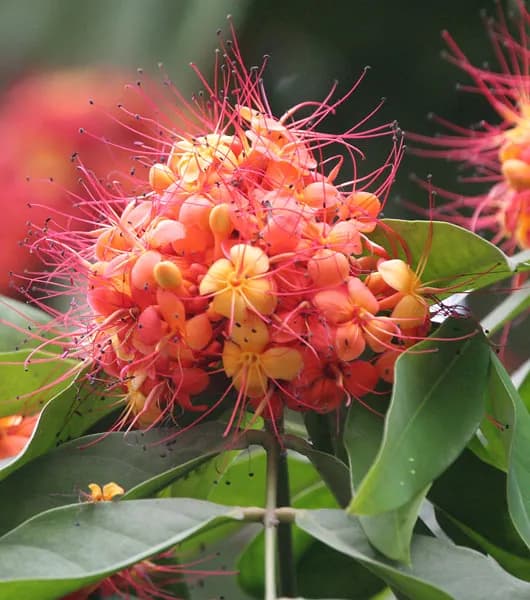
Ashoka: Benefits, Uses & Ayurvedic Properties
Ashoka (Saraca asoca) is Ayurveda's premier uterine tonic and women's herb, revered for regulating menstrual cycles, relieving menorrhagia, and supporting reproductive health. Explore its Ayurvedic properties, benefits, and dosage.


Bharangi: Benefits, Uses & Ayurvedic Properties
Bharangi (Clerodendrum serratum) is a classical Ayurvedic herb for asthma, sinusitis, and chronic cough. Explore its properties, dosage, and evidence-based respiratory benefits.

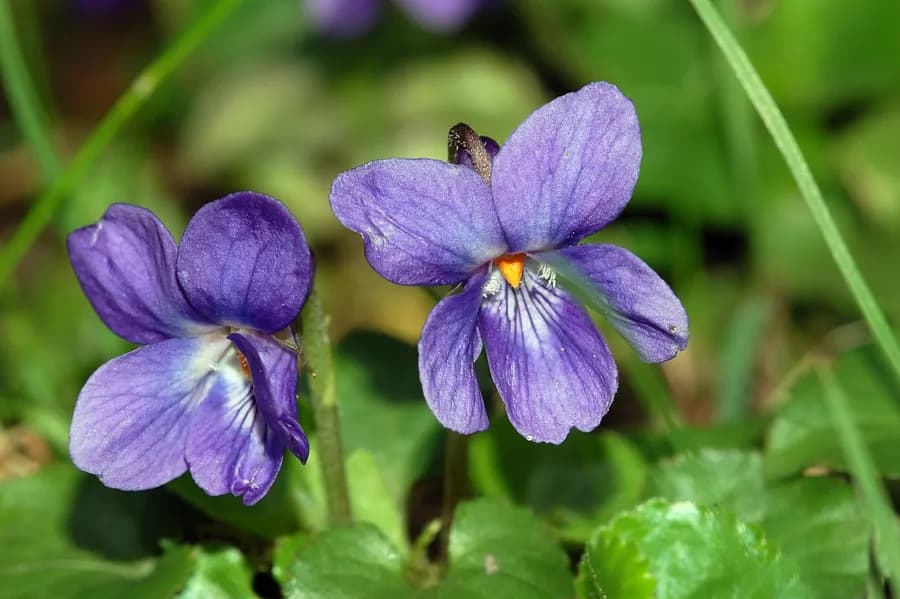
Banafsha: Benefits, Uses & Ayurvedic Properties
Banafsha (Viola odorata / Sweet Violet) is a powerful Ayurvedic herb for cough, asthma, fever, and skin inflammation. Discover its benefits, dosage, and traditional uses.