
Ashoka: Benefits, Uses & Ayurvedic Properties
Ashoka (Saraca asoca) is Ayurveda's premier uterine tonic and women's herb, revered for regulating menstrual cycles, relieving menorrhagia, and supporting reproductive health. Explore its Ayurvedic properties, benefits, and dosage.
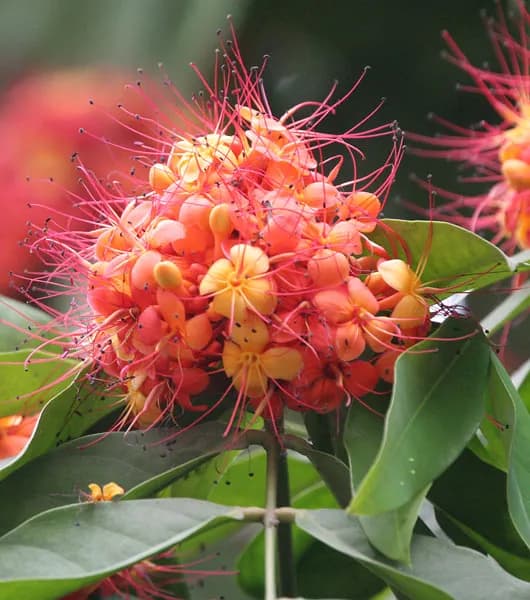
Key Takeaways
- Ashokarishta significantly reduces blood loss in dysfunctional uterine bleeding, studies show.
- Tannins and flavonoids tone the uterine endometrium to manage Raktapradara, menorrhagia.
- Classified as Garbhashaya shodhaka, it helps resolve uterine fibroids and mild prolapse.
- Its oestrogenic glycosides support fertility by aiding the menstrual cycle’s proliferative phase.
- Flavonoids inhibit prostaglandin synthesis, easing dysmenorrhoea without gastric side effects.
- Bark decoction washes reduce Pitta-driven acne, eczema, and skin redness.
Ashoka (Saraca asoca), known in Sanskrit as Ashoka meaning “that which removes sorrow,” belongs to the Fabaceae (Leguminosae) family and is native to the Indian subcontinent, particularly the moist deciduous forests of the Western Ghats, eastern Himalayas, and Sri Lanka. Ayurveda has revered it as the foremost uterine tonic for centuries, with its bark being the most therapeutically potent part. Modern research has confirmed the presence of flavonoids, tannins, glycosides, and sterols that validate its traditional uses in women’s reproductive health, pain management, and anti-inflammatory conditions.
Ayurvedic Properties of Ashoka
Health Benefits of Ashoka
- Menstrual Health and Menorrhagia Control Ashoka bark is Ayurveda’s gold standard for Raktapradara (menorrhagia — excessive menstrual bleeding). Its tannins and flavonoids tone and strengthen the uterine endometrium, reducing abnormal blood loss while regulating the menstrual cycle’s regularity. Clinical studies show that Ashokarishta (an Ashoka-based fermented preparation) significantly reduces blood loss in dysfunctional uterine bleeding without hormonal side effects.
- Uterine Health and Reproductive Tonic Classified as a Garbhashaya shodhaka (uterine cleanser) in classical texts, Ashoka strengthens uterine muscle tone, helps resolve uterine fibroids, endometritis, and mild uterine prolapse over time. Its oestrogenic glycosides support the proliferative phase of the menstrual cycle, making it a valuable herb for women seeking to improve fertility and uterine receptivity.
- Pain Relief and Anti-inflammatory Action Ashoka’s Vedanasthapana (analgesic) properties make it highly effective for dysmenorrhoea (painful periods) and pelvic inflammatory pain. Its flavonoids inhibit prostaglandin synthesis — the same mechanism as NSAIDs — reducing uterine cramping and pelvic pain without gastric side effects. It also relieves joint pain and inflammatory conditions through systemic anti-inflammatory activity.
- Skin Health and Complexion Ashoka’s cooling Sheeta virya and Pitta-pacifying action make it beneficial for inflammatory skin conditions including acne, eczema, and dermatitis that are aggravated by excess Pitta. Its blood-purifying properties eliminate heat toxins from Rakta Dhatu, improving complexion and reducing skin redness. Topically, a bark decoction can be used as a wash for skin infections and wounds.
- Digestive and Hepatic Support The astringent tannins in Ashoka bark help manage diarrhoea, dysentery, and irritable bowel syndrome by reducing gut motility and tightening inflamed intestinal mucosa. Ashoka also supports liver function by promoting bile secretion and protecting hepatic cells from oxidative damage, making it useful as a secondary herb in liver health protocols.
- Emotional Balance and Stress Relief True to its name “remover of sorrow,” Ashoka has mild adaptogenic and anxiolytic properties. It is traditionally used for emotional disturbances linked to hormonal imbalance — particularly anxiety, mood swings, irritability, and mild depression associated with PMS or perimenopause. Its cooling action on Pitta calms the nervous system and promotes emotional stability.
- Antidiabetic and Metabolic Benefits Research has demonstrated Ashoka’s ability to inhibit alpha-glucosidase enzymes, slowing post-meal glucose absorption and contributing to blood sugar regulation. Its antioxidant flavonoids also protect pancreatic beta cells from oxidative damage. While not a standalone antidiabetic treatment, it can complement a comprehensive Ayurvedic diabetes management protocol.
How to Use Ashoka
Side Effects and Precautions
Known Contraindications
- Excessive dryness (Vata constitution with severe Ruksha guna) — use with oleating anupana
- Constipation — astringent action may worsen dry stool; increase water intake
- Active Pitta imbalance with hypersecretion should be assessed before use
Drug Interactions
- May potentiate the effect of hormonal medications (oestrogen-based HRT, contraceptives)
- Use with caution alongside antidiabetic drugs; monitor blood glucose
- May enhance anticoagulant effects mildly
Who Should Avoid
- Pregnant women — may stimulate uterine contractions
- Women with very low oestrogen levels should consult physician before long-term use
- Individuals with known allergy to Fabaceae family plants
Safe Dosage Range
Ashoka bark powder: 3–6 g per day in divided doses. Bark decoction: 50–100 mL once or twice daily. Ashokarishta: 15–20 mL diluted in water after meals, twice daily. Doses beyond these ranges should only be used under physician supervision.
Classical Text References
Ashoka is described in Charaka Samhita (Chikitsa Sthana 30) as the principal herb for Raktapradara. Sushruta Samhita classifies it in the Nyagrodhadi gana (astringent group). Ashtanga Hridayam endorses Ashokarishta as the formulation of choice for uterine bleeding disorders. The herb also appears in Dhanvantari Nighantu for its extensive gynaecological applications.
Related reads: Shatavari: Benefits, Uses & Ayurvedic Properties · Saffron (Kesar): Benefits, Uses & Ayurvedic Properties
Ashoka’s reputation as Ayurveda’s uterine tonic pairs naturally with postures designed around reproductive health — supported hip openers, gentle inversions like Viparita Karani, and pelvic-floor-conscious movement that many women use to ease menstrual discomfort. Consistent, gentle practice can support the same reproductive balance this herb is prized for. Habuild’s free yoga challenge is a supportive way to build that practice.
Frequently Asked Questions
Related Articles

Arvindasava: Uses, Benefits, Dosage & Side Effects
Arvindasava is a classical Ayurvedic Asava (fermented herbal tonic) based on Arvinda (lotus flower), primarily indicated for paediatric health, improving digestion, boosting immunity, cognitive development, and growth in children. Learn its ingredients, benefits, and dosage.

Arka Pudina: Uses, Benefits, Dosage & Side Effects
Explore Arka Pudina in Ayurveda, including traditional uses, properties, preparation guidance, side effects and precautions.


Ankol: Benefits, Uses & Ayurvedic Properties
Explore Ankol in Ayurveda, including traditional uses, properties, preparation guidance, side effects and precautions.
.%2520Monika&w=3840&q=40)