
Anti-Inflammatory Foods: Evidence-Based Everyday Choices
The term describes a dietary pattern rather than a miracle ingredient. Vegetables, fruit, pulses, whole grains, nuts, seeds and unsaturated oils form…
Key Takeaways
- The term describes a dietary pattern rather than a miracle ingredient.
- Diet may affect inflammation and risk, but does not replace treatment for disease or infection.
- The form and preparation of the anti guidance determine which benefits and cautions are relevant.
- Personal health, tolerance and safe use should guide decisions about the anti guidance.
The term describes a dietary pattern rather than a miracle ingredient. Vegetables, fruit, pulses, whole grains, nuts, seeds and unsaturated oils form the core of most evidence-based patterns. This guide examines anti inflammatory foods with practical context and without exaggerated promises.
A practical introduction to the anti guidance
Diet can influence inflammatory markers and long-term risk, but it does not replace treatment for arthritis, autoimmune disease or infection. Overall pattern and consistency matter. Interpret the finding according to the amount of anti inflammatory foods used and the people who were studied.
How strong is the evidence for the anti guidance?
Claims surrounding the anti guidance often combine several kinds of evidence. Nutrient composition can describe what something contains, while a clinical trial is needed to test a treatment effect. Laboratory and animal work may guide future research, but it cannot by itself predict a benefit for people.
Marketing around anti inflammatory foods may emphasise one attractive property while ignoring serving size and context. A food can be nutritious without being therapeutic, and a supplement can contain an active compound without producing a meaningful result. That distinction keeps expectations realistic.
What the evidence means for the anti guidance
What the anti guidance means for everyday decisions
- Build half the plate from varied vegetables.
- Choose pulses or other suitable protein sources.
- Use nuts, seeds and unsaturated oils in moderate amounts.
- Limit heavily processed foods without imposing unnecessary bans.
Introduce anti inflammatory foods without turning it into the centre of the diet or routine. Pair it with established habits, avoid stacking similar products, and judge the complete pattern. A small possible advantage rarely outweighs poor sleep, inadequate nutrition or delayed medical care.
How to use the idea without oversimplifying it
the anti guidance is a guide, not a complete judgement about a food, symptom or health plan. Apply it alongside portion, preparation, nutrient quality and individual needs. One number or label cannot capture the effect of an entire meal or routine.
Safety considerations for anti inflammatory foods
Extreme elimination diets can cause nutritional gaps and complicate social eating. Anyone with inflammatory bowel disease, kidney disease, allergies or prescribed dietary restrictions needs tailored advice.
Potential problems with the anti guidance may involve allergy, digestive tolerance, medicine interactions or excessive intake. Do not use it to postpone diagnosis or alter prescribed treatment. Show a clinician the exact product label when asking about safety.
Build the pattern rather than chase one food
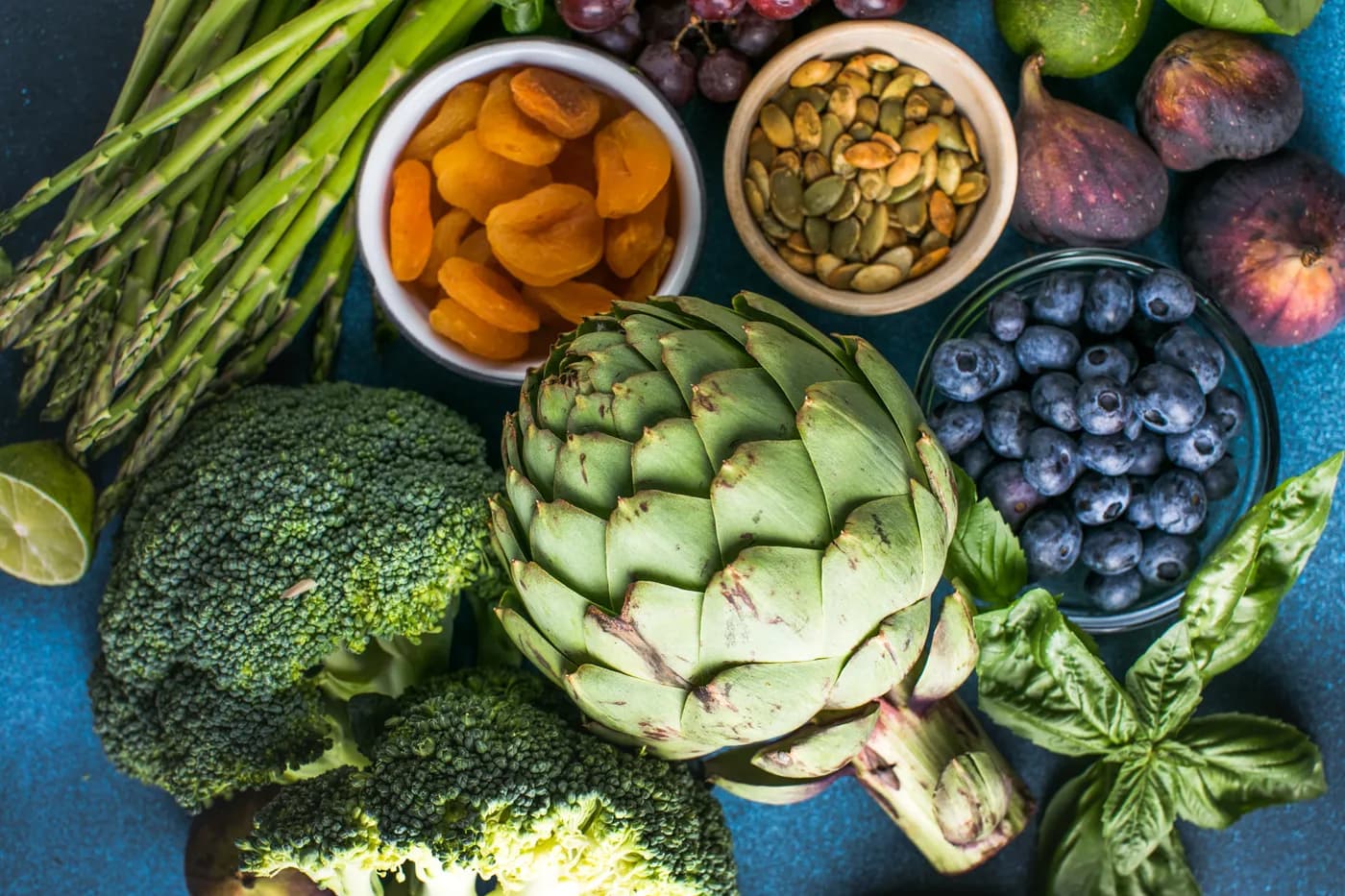
An anti-inflammatory eating pattern is not a list of miracle ingredients. Build roughly half the plate from varied vegetables, add pulses or another suitable protein source, include whole grains according to appetite, and use nuts, seeds or unsaturated oils in moderate amounts. Fruit, herbs and spices can add variety. The overall pattern matters more than whether turmeric, berries or another fashionable ingredient appears every day.
Foods to include more often
Useful choices include beans, lentils, soy foods, vegetables of different colours, whole fruit, oats, millets, brown rice, nuts and seeds. If eaten, fish can supply long-chain omega-3 fats. Fermented foods may suit some people, but they are not compulsory. Choose familiar Indian meals—dal with vegetables, chana salad, sambar, khichdi with extra vegetables or curd with seeds—rather than assuming a costly imported food is necessary.
What to limit without creating fear
Frequent sugary drinks, heavily processed snacks, processed meat and excessive alcohol can crowd out more nourishing foods. Limiting them does not require a perfect ban or a “clean-eating” label. Occasional foods can fit within a consistent pattern. Anti inflammatory foods should not become a restrictive programme that removes gluten, dairy or nightshade vegetables without a diagnosed reason, especially if the restrictions reduce nutrition or cause anxiety.
Inflammation still needs a diagnosis
Persistent pain, swelling, fever, bowel symptoms or abnormal blood tests cannot be treated through food alone. Inflammation has many causes, and prescribed treatment should continue. Diet may support cardiovascular and metabolic health over time, but it does not promise rapid symptom relief. The practical goal is a varied pattern you can maintain, alongside sleep, movement, not smoking and appropriate medical care.
Making gradual changes
Start with changes that are easy to repeat: add one vegetable to lunch, replace one sugary drink with water, include dal more regularly or choose nuts instead of a heavily processed snack. Anti inflammatory foods work as a broad pattern over time; one meal cannot switch inflammation on or off. Use spices for flavour, but avoid concentrated herbal products without checking interactions. If the term anti inflammatory foods encourages you to eat more varied plants and fewer ultra-processed foods, it can be helpful. If it creates fear, expensive shopping or unnecessary exclusions, return to a simple balanced plate.
Cooking methods can support the same goal without making meals bland. Roast, steam, sauté or pressure-cook vegetables; use ginger, garlic, chilli, cumin and other spices according to tolerance. Deep-fried food can still be enjoyed occasionally. The aim is not to remove every source of sugar, oil or refined grain, but to make the everyday pattern richer in plants and minimally processed foods. Consistency matters more than a short “anti-inflammatory detox.” Anti inflammatory foods are ordinary foods used in a supportive pattern. Anti inflammatory foods do not replace diagnosis, medicines or an adequate overall diet. Anti inflammatory foods work best as part of consistent meals.
Editorial sources
- WHO: Healthy diet
- American Heart Association: Dietary fats
Frequently Asked Questions
Related Articles

Antioxidant Rich Foods: A Simple Guide to Eating More of Them
Antioxidants protect your cells from everyday oxidative stress caused by pollution, sun exposure, and normal metabolism. See the easiest foods to build a.

Fibre rich foods: what fibre does for your gut
Fibre does more than aid digestion — it feeds gut bacteria and helps keep blood sugar steady. See what fibre-rich foods actually do for your gut.

Complete protein for vegetarians: easy food pairs
Vegetarian meals can deliver complete protein too, once you know which everyday food pairs to combine. See the simple combinations that make it easy.