
Apple Benefits: Nutrition, Portions and Everyday Uses
Apples provide water, carbohydrate, fibre and plant compounds in a convenient fruit. They can support a varied diet, but they do not detox the body,…
Key Takeaways
- Whole apples provide more fibre than clear apple juice.
- The peel contributes fibre, but washed peeled fruit is still nutritious.
- Apples can be paired with protein or fat for a more satisfying snack.
- Allergy, digestive symptoms and choking risk require individual care.
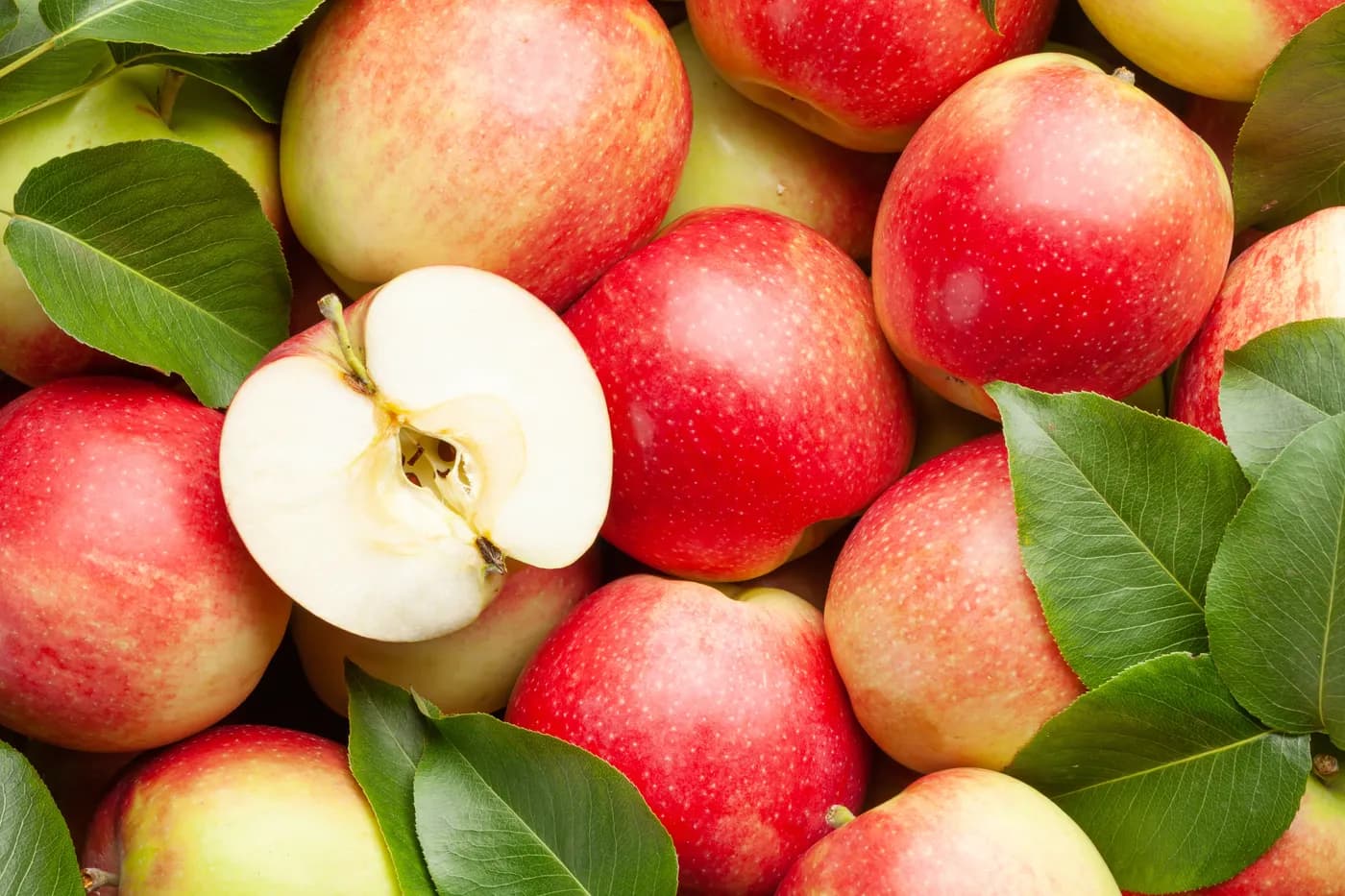
Apples provide water, carbohydrate, fibre and plant compounds in a convenient fruit. They can support a varied diet, but they do not detox the body, melt fat or prevent illness on their own. A useful discussion of apple benefits compares whole fruit with juice, considers portion and tolerance, and keeps food-safety claims realistic. These apple benefits fit ordinary food portions without a special schedule.
What an apple contributes
A medium apple contains mostly water and carbohydrate, with fibre and vitamin C in modest amounts. The exact values vary with size and variety. Apples are not especially high in every nutrient, yet their convenience, shelf life and familiar taste can make regular fruit intake easier. Fibre is among the most practical apple benefits of whole fruit.
Plant compounds in apples are being studied, but laboratory antioxidant activity does not prove that an apple treats disease. Observational studies of fruit-rich diets describe the whole pattern. Apple benefits are therefore strongest as part of varied meals rather than as a daily prescription. Juicing changes the apple benefits available from the fruit structure.
Whole fruit juice and dried apple
Chewing a whole apple provides structure and fibre that slow eating. Clear juice contains much less fibre and is easy to drink quickly. Smoothies may retain more fibre, but portion and added ingredients still matter. Juice is not nutritionally identical to whole fruit. Safe washing belongs in an honest account of apple benefits.
Dried apple is concentrated because water has been removed. Check for added sugar and use a smaller portion than fresh fruit. Apple chips may also contain oil. Choose the form for the situation while recognising that the word apple does not make every packaged snack equivalent. Individual digestion can change how apple benefits are experienced.
Peel pesticides and washing
Apple peel contains fibre and plant compounds, but peeling is reasonable for preference, texture or tolerance. Wash the fruit under clean running water and rub the surface. Soap and household detergents are not meant for washing produce. Peeling does not remove every one of the apple benefits.
Cut away damaged areas and discard fruit with widespread mould or rot. Washing reduces dirt and some surface contamination but does not make spoiled fruit safe. Organic and conventional apples both require sensible handling; neither label guarantees freedom from microbes.
Portions and more satisfying snacks
One apple can work as a snack or part of a meal, but appetite and energy needs differ. Pair slices with peanut butter, nuts, cheese or curd when a more filling snack is needed. Chopped apple can add sweetness and texture to oats without requiring much added sugar.
For young children or anyone with chewing or swallowing difficulty, prepare thin, soft or grated pieces as appropriate. Whole hard chunks can be a choking hazard. Apple benefits remain available when the fruit is cooked or peeled; safety and comfort come first.
Digestion blood glucose and tolerance
Apples contain fermentable carbohydrates that can trigger bloating or discomfort in some people with irritable bowel syndrome. A smaller portion, peeled or cooked fruit, or another fruit may be better tolerated. Do not assume discomfort means the fruit is cleansing the gut.
People with diabetes can include fruit, but portions, glucose response and the rest of the meal matter. Whole fruit is usually more useful than juice. Persistent diarrhoea, pain, bleeding or unexplained weight loss should not be managed by repeatedly removing foods without assessment.
Allergy and oral symptoms
Some people with pollen allergy develop itching or tingling in the mouth after raw apple. Cooked apple may be tolerated because heat changes certain proteins, but individual medical advice is important. Widespread hives, swelling, breathing difficulty, dizziness or faintness requires urgent care.
Apple seeds contain compounds that can release cyanide when heavily crushed and consumed in large amounts. Accidentally swallowing a few intact seeds is generally not a reason for panic, but seeds are not a supplement and should not be intentionally eaten for health.
A useful place without a health halo
Keep apples visible, pack one for travel or use them in salads, oats and cooked dishes. Rotate varieties and other fruits to avoid boredom. Refrigeration can extend quality, while cut apple should be covered and chilled promptly.
Apple benefits are simple: fruit, fibre, fluid and convenience. They do not depend on eating an apple on an empty stomach or following a detox plan. Choose whole fruit often, juice less often, and let taste, access and tolerance guide the decision.
A useful place without a health halo in daily life
Apples vary from crisp and tart to soft and sweet, and this can change how they work in a recipe. Tart apples hold shape in some cooked dishes, while sweeter varieties may reduce the need for added sugar. Choosing a variety you enjoy is more likely to support fruit intake than buying one marketed as nutritionally superior.
Apples can also be used in savoury food. Add thin slices to cabbage salad, cook chunks with oats, or combine diced fruit with curd and nuts. Cinnamon can add aroma but does not turn the dish into a blood-glucose treatment. Baking softens the fruit and may suit someone who finds raw apple difficult to chew. For packed lunches, keep cut fruit in a clean chilled container; lemon may slow browning but does not sterilise it. Brown colour alone is usually oxidation, while slime, mould or an off smell suggests spoilage. Avoid leaving cut fruit in heat for long periods. Buying loose seasonal fruit can reduce cost, and imperfect-looking fruit is usable when it is sound and safely handled. If whole fruit is unavailable, unsweetened frozen or cooked apple can still contribute fruit; compare syrups and added sugar in canned products. Rotate apples with seasonal citrus, guava, papaya and other fruits for broader variety.
Editorial sources
Frequently Asked Questions
Related Articles

Apple carrot salad recipe: a simple fibre-rich salad
An apple carrot salad brings natural sweetness and fibre together in a simple, everyday recipe. See the full method.


Fibre rich foods: what fibre does for your gut
Fibre does more than aid digestion — it feeds gut bacteria and helps keep blood sugar steady. See what fibre-rich foods actually do for your gut.
Healthy Fruits: How to Choose Variety, Portions and Seasonal Options
All whole fruits can contribute water, fibre, vitamins and plant compounds. The healthiest choice is usually a varied, affordable pattern.
