
Are Apple Seeds Poisonous? What Accidental Swallowing Means
A few accidentally swallowed whole apple seeds are usually unlikely to cause harm. Understand the distinction from crushed seeds and prepare fruit sensibly.
Key Takeaways
- Swallowing a few whole apple seeds is usually harmless.
- Chewing or grinding many seeds is different.
- There is no reliable safe seed count.
- Apple seeds are not a cancer remedy.
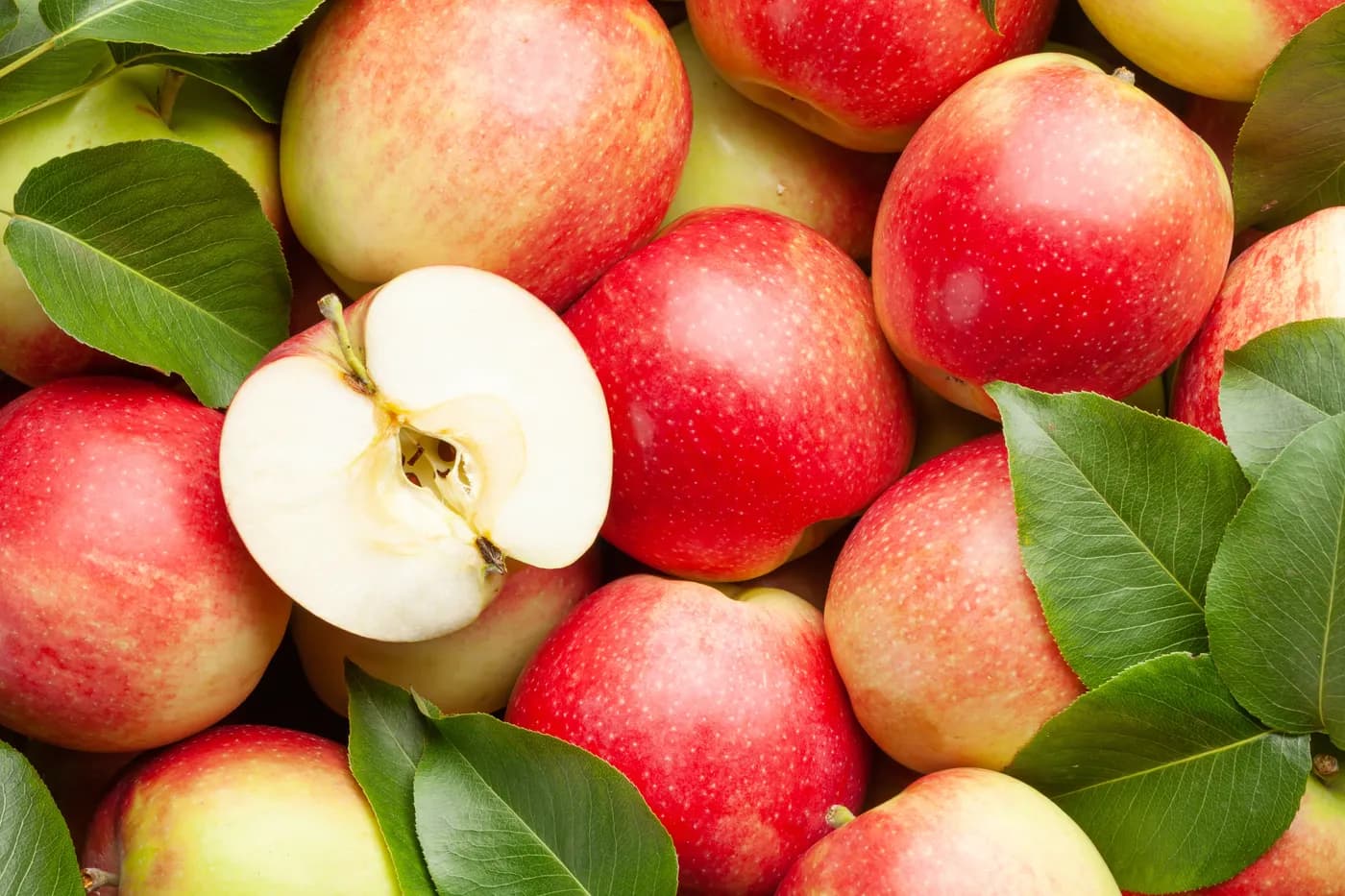
You finish an apple, notice a seed missing from the core and wonder whether you have eaten something dangerous. The reassuring answer is that accidentally swallowing a few whole apple seeds is usually unlikely to cause harm. It is very different from deliberately chewing or grinding a large quantity.
Apple seeds contain a compound that can release cyanide when the seed is damaged and digested. That fact deserves accurate explanation, but it is not a reason to fear ordinary apples. The useful response depends on the amount, whether the seeds were crushed and whether anyone has symptoms.
Why the seeds raise concern
Apple seeds contain amygdalin, a naturally occurring cyanogenic compound. When plant material containing it is broken down, cyanide can be released. At a sufficiently high dose, cyanide interferes with the body’s ability to use oxygen.
The hard seed coat matters. Whole seeds are less likely to release their contents than seeds that have been chewed, milled or blended. This is why an accidentally swallowed intact seed and a spoonful of ground seeds should not be treated as equivalent exposures.
The flesh of an apple is a different part of the fruit. Eating a washed apple, including its edible skin if you like it, does not present the same issue as consuming concentrated seeds.
If you swallowed one or two seeds
For an adult who accidentally swallows a few intact seeds while eating an apple and feels well, serious poisoning is unlikely. There is generally no need to induce vomiting, take a cleansing remedy or stop eating apples.
The situation needs a more individual answer when a young child may have eaten an unknown amount, someone has chewed many seeds, or the seeds were ground into a powder or drink. In those cases, contact a local poison information service or healthcare service promptly for advice specific to the exposure.
When to seek urgent help
Possible serious poisoning can involve headache, dizziness, nausea, weakness, confusion or breathing difficulty. These symptoms have many causes, but symptoms after a concerning seed exposure should not be dismissed.
Get emergency medical help for difficulty breathing, collapse, seizures or reduced consciousness. Do not wait for every symptom on a list to appear, and do not delay urgent care while trying to calculate a seed count.
If you are seeking advice, useful details include:
- The person’s age and approximate weight.
- When the seeds were eaten.
- Whether they were swallowed whole, chewed or ground.
- The best estimate of the amount and any symptoms.
Keep any remaining seeds or product packaging available if practical. Do not make someone vomit or give an unproven antidote. A poison specialist or emergency team can decide whether observation or treatment is needed.
Why there is no reliable safe seed count
Online articles sometimes offer a precise number of seeds that would supposedly cause poisoning. Such figures can create false reassurance or unnecessary alarm. Seed composition, size, preparation and the person’s body size all affect the situation.
You also do not need a numerical limit to prepare apples sensibly. The everyday rule is easier: eat the fruit and leave the seeds. If a potentially significant exposure has already happened, obtain advice based on the actual circumstances rather than an internet threshold.
Preparing apples for snacks and smoothies
For sliced apples, cut away the core and visible seeds. For cooked apples, chutneys or purées, remove them during preparation. The occasional seed you miss is not a reason to throw away a whole meal.
Before blending apples, core them. A blender can break seeds that might otherwise have stayed intact. This is particularly relevant to recipes that encourage blending several whole fruits without removing their centres.
You can leave the edible peel on if it suits the recipe. Wash apples under running water, and remove damaged or spoiled areas as you would with other fruit.
What about children?
With young children, choking is another practical concern. Whole seeds and hard pieces can be difficult to manage, while large chunks of raw apple can also pose a choking risk. Prepare the fruit in a form appropriate for the child’s age and eating skills, such as suitably cooked, grated or thinly sliced apple.
If a child is found with a core, remove the remaining material calmly. Try to establish what was eaten, but do not assume a missing seed means poisoning. Seek poison advice when the amount or preparation makes the exposure uncertain.
The aim is to make fruit easy to eat, rather than teach children that apples are dangerous. Keeping cores out of reach and serving prepared portions usually handles the everyday problem.
Seeds are not a cancer remedy
Amygdalin and related products are sometimes promoted using terms such as laetrile or vitamin B17. These names do not turn apple seeds into an established treatment or an essential vitamin source.
There is no sound reason to deliberately eat apple seeds for cancer prevention, general immunity or cleansing. Concentrated seed products can introduce risk while distracting from useful care.
Do not assume advice about one fruit’s seeds applies to all others. Apricot kernels and the inner kernels of some stone fruits can pose a different risk; the reassuring advice about a few intact apple seeds should not be extended to them.
Keep the apple in perspective
An apple provides water, fibre and a convenient fruit portion. You can eat it with curd, add slices to oats or carry it as a snack. Its value does not depend on eating every part.
For routine eating, remove the core and enjoy the flesh and skin. For accidental swallowing, distinguish a few whole seeds from a larger chewed or concentrated exposure. That distinction gives readers a useful response without either panic or a blanket claim that every seed is harmless.
Editorial sources
Frequently Asked Questions
Related Articles
Apple Benefits: Nutrition, Portions and Everyday Uses
Apples provide water, carbohydrate, fibre and plant compounds in a convenient fruit. They can support a varied diet, but they do not detox the body,…

Apple Calories: How Many in One Apple and Why It Varies
A medium apple has about 95 calories, but the exact number depends on its size, whether you eat the skin and whether it is fresh, dried or juiced.

Apple Glycaemic Index: Is an Apple Okay for Blood Sugar?
Apples generally have a low glycaemic index, but the number is not a pass or fail mark. Here is how to use it if you watch your blood sugar.

What to Eat After Food Poisoning: A Recovery Diet Guide
What you eat after food poisoning can decide whether recovery is smooth or slow. See how to rebuild gradually and safely, starting with the first 24 hours.