
Arugula: How to Enjoy This Peppery Green
Peppery arugula adds variety to familiar food. Learn how to balance its flavour and make a salad substantial enough to be a meal.
Key Takeaways
- Arugula is a peppery leafy green.
- Start with a small handful in a familiar meal.
- It can be cooked as well as eaten raw.
- People on warfarin should keep greens consistent.
Arugula, also called rocket, is a leafy vegetable with a peppery taste. A small handful can give a salad, sandwich or warm bean dish a different character from mild lettuce. It contributes vitamins and variety, but it is not essential for healthy eating and does not need to be juiced. If you enjoy the flavour and can buy it fresh, use it as another green alongside familiar vegetables.
What kind of leaf is it?
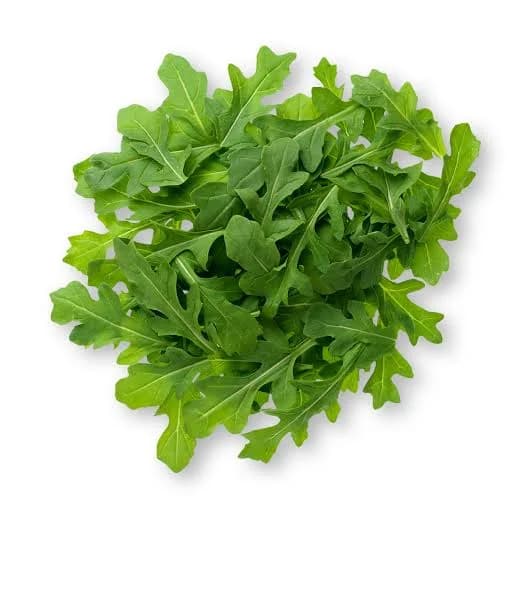
Arugula belongs to the mustard family, which also includes cabbage and broccoli. It is often sold as rocket, rucola or a component of salad mixes. The leaves commonly have deep lobes, although appearance differs across types.
Young leaves tend to be more tender and milder. Larger or more mature leaves can taste sharper or more bitter. Wild rocket products may have a particularly strong flavour, so taste a small clean leaf before making it the whole salad.
It is not the same plant as spinach or lettuce. You can sometimes substitute it in a dish, but the peppery character will change the result. That can be welcome rather than a problem if you adjust the other ingredients.
Start with a small amount in a familiar meal
For a first try, add a few washed leaves to a sandwich with a substantial filling such as mashed chana, tofu or paneer. The green provides flavour; the filling makes the sandwich more than a handful of leaves between bread.
You can also mix it into a cucumber-and-tomato salad instead of using it alone. Lemon, a modest amount of oil and a little seasoning may be enough. Taste before adding chilli or extra mustard, since the leaves already have some bite.
If someone finds it too strong, use less or choose a milder green. There is no need to force a bitter bowl because it has a fashionable nutrition reputation.
A salad needs something to make it a meal
A large pile of arugula can look substantial while supplying little energy or protein. For lunch, add food that meets those needs, rather than expecting leaves to keep you full for hours.
One useful bowl could contain cooked chickpeas, arugula, cucumber, tomato and a suitable portion of rice or another grain. A paneer or tofu version is another option. Adjust the amount to hunger and how long it is until the next meal.
Dressings and toppings affect the result. A very large amount of cheese, oil or sweet dressing can turn a light-looking bowl into a rich meal. That is not automatically wrong, but the leaves do not cancel the other ingredients.
You can cook it too
Arugula does not have to be eaten raw. Cooking softens the leaves and can mellow their flavour. Try it in one of these ways:
- Stir a small handful into a cooked bean dish until wilted.
- Add chopped leaves to a vegetable soup and heat through.
- Fold them into a warm grain dish near the end of preparation.
- Use a little in a cooked roti filling with another vegetable.
It shrinks considerably, so a cooked handful will look smaller than the raw leaves. Do not use volume alone to compare servings. If a recipe needs spinach's mild flavour, replacing all of it with strong rocket may be too much; start with a mixture.
What it contributes nutritionally
Arugula contains water, some fibre and micronutrients including vitamin K and folate. It also contains plant compounds characteristic of cruciferous vegetables.
The amount you eat matters. A few leaves on a pizza are a garnish, while a larger salad portion contributes more. Neither should be described as a meaningful substitute for the full range of vegetables and other foods you need.
There is no need to choose arugula over local greens such as palak, methi or amaranth simply because it appears in restaurant salads. Variety, freshness, price and your ability to use the food are all practical considerations.
Keep the health claims modest
Compounds in leafy and cruciferous vegetables are studied for various biological effects. That does not establish that an arugula salad treats cancer, lowers glucose reliably or detoxifies the liver.
Dietary nitrate is another reason some greens attract performance and blood-flow claims. Findings about measured nitrate doses or specific drinks cannot automatically be applied to a few leaves in a sandwich.
Enjoying more vegetables can support an overall healthy eating pattern. It does not replace prescribed treatment, and there is no need to concentrate arugula into daily shots to make it effective.
Wash and store leaves with care
Choose leaves that look fresh rather than slimy, badly bruised or mouldy. Refrigerate promptly and follow package instructions. Buy a manageable quantity because delicate greens lose quality quickly.
For loose leaves, wash under running water and dry with a clean method before using. Do not wash produce with soap or household disinfectant. If a sealed product is labelled washed and ready to eat, follow its preparation directions and avoid introducing contamination through unnecessary handling.
Keep salad preparation separate from raw meat and dirty utensils. Once the leaves are mixed with cooked grains, dairy or other perishable ingredients, chill the whole dish appropriately rather than leaving it on the table for hours.
Use the rest before it wilts
Plan two uses for a small bag: perhaps a sandwich today and a warm chickpea dish tomorrow. Keep dressing separate until serving so the leaves do not become soggy unnecessarily.
Slightly less crisp but otherwise sound leaves may work better in a cooked dish. Slimy or spoiled leaves should be discarded, not blended into a sauce to hide the texture.
A herby sauce can be another use, blended with suitable ingredients such as nuts, lemon and a little oil. Make a small amount, refrigerate it and remember that the nuts and oil add their own energy and allergy considerations.
Warfarin and personal restrictions
Vitamin K matters for people taking warfarin. The usual aim is a consistent intake, rather than avoiding all green vegetables. A sudden change from very few greens to large daily arugula juices can complicate anticoagulation management.
If you want to make a substantial lasting change in green-vegetable intake, discuss it with the team managing the medicine. Do not adjust warfarin yourself or assume the advice applies equally to every blood thinner.
Food allergy is possible, and anyone with a prescribed dietary restriction should use the plan relevant to them. For most people, though, arugula is simply a flavour choice. A small fresh portion in food you already enjoy is a good way to find out whether it deserves a regular place in your kitchen.
Editorial sources
Frequently Asked Questions
Related Articles
Spinach Benefits: Nutrition and Simple Meal Ideas
Spinach provides folate, vitamin K and carotenoids. Learn its benefits, cooking tips, iron facts and cautions for warfarin or kidney stones.
Chickpea herb salad: a protein-rich lunch bowl
A chickpea herb salad adds protein, fibre, and colour to the plate in one simple bowl, easy to prepare for lunch or a quick side. Full recipe below.

Curd vegetable salad: a cooling lunch side
A curd vegetable salad is a cooling, probiotic-rich side that pairs easily with any Indian meal. Full recipe below.

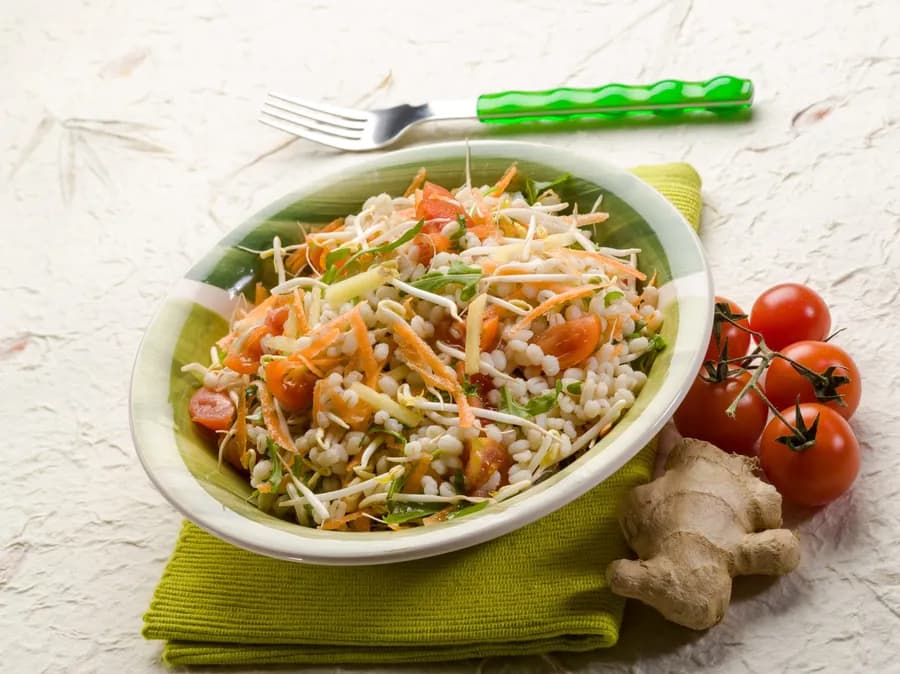
Mixed sprout salad: a protein-rich salad recipe
A mixed sprout salad adds fibre, colour, and texture to the plate using familiar ingredients and no complicated cooking. See the full recipe, easy to.