
Ashwagandha Powder : Benefits, Uses and Safety
Ashwagandha, or Withania somnifera, is an herb used in Ayurveda and sold as dried root powder, capsules and concentrated extracts. It is promoted for…
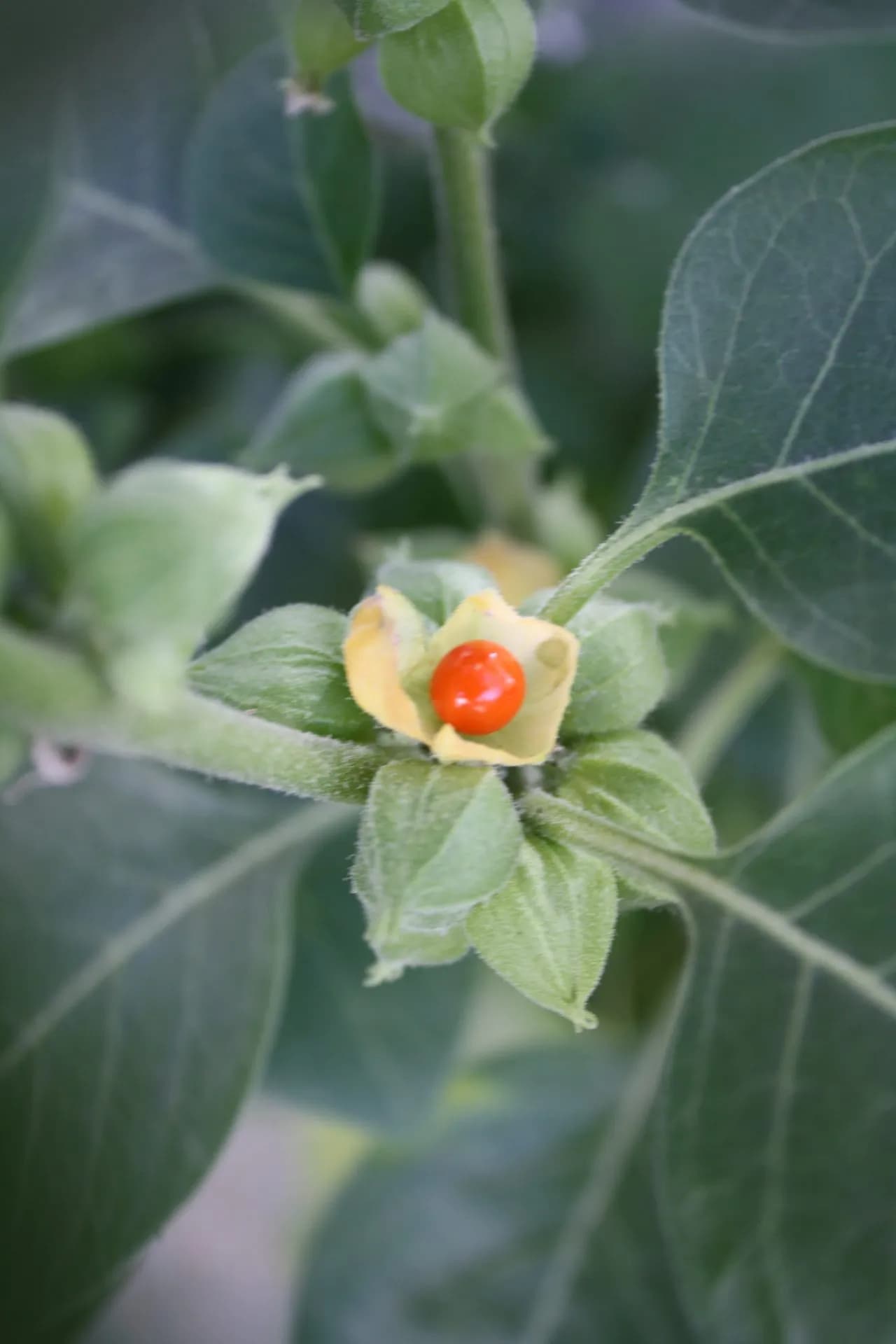
Key Takeaways
- Ashwagandha powder is an herbal supplement, not an essential everyday food.
- Some preparations may offer short-term stress and sleep benefits; results vary.
- Extract studies do not automatically establish benefits of ordinary ashwagandha powder.
- Side effects can include drowsiness, stomach upset, diarrhoea and vomiting.
- Avoid ashwagandha during pregnancy and breastfeeding.
- Seek advice for liver, thyroid or autoimmune conditions, or regular medicine use.
Ashwagandha, or Withania somnifera, is an herb used in Ayurveda and sold as dried root powder, capsules and concentrated extracts. It is promoted for stress, sleep, energy, fertility and exercise performance. Some preparations may offer modest short-term effects, but the products and doses used in studies vary considerably.
Possible ashwagandha powder benefits must always be weighed against product quality, side effects and individual health risks.
What is ashwagandha powder?
Ashwagandha is a shrub whose roots and leaves contain phytochemicals, including withanolides. Traditional preparations commonly use the root, while supplements may contain root, leaf or a mixture. Powder is made from dried plant material; extracts concentrate selected compounds and may provide a very different exposure.
This distinction matters when evaluating ashwagandha powder benefits. A trial involving a standardised extract does not prove that every household powder, capsule or tea will produce the same result. Check the botanical name, plant part and serving amount on the label.
Is ashwagandha powder a food source?
Although it may be mixed into milk, smoothies or warm water, ashwagandha is not a meaningful source of everyday protein, fibre, vitamins or minerals. These drinks are simply vehicles for the powder. A varied diet—not ashwagandha—should provide routine nourishment.
Withanolide percentages may help describe an extract, but they do not make all products equivalent or guarantee ashwagandha powder benefits. Concentration can also affect tolerability and interaction risks.
Potential ashwagandha powder benefits
Stress and anxiety
Several relatively small trials suggest that certain extracts may reduce perceived stress, anxiety or cortisol over six to eight weeks. However, the studies use different preparations and doses, and stronger evidence is still needed. Ashwagandha should not replace psychological care or prescribed treatment for anxiety, depression or trauma.
Sleep
Some preparations may modestly improve aspects of sleep in people with insomnia or stress. Evidence does not show that every user will sleep better or that larger amounts work faster. Persistent insomnia, severe daytime sleepiness, loud snoring or breathing pauses requires assessment rather than self-treatment.
Exercise, testosterone and fertility
Small studies have examined strength, fitness, recovery, testosterone and sperm quality, sometimes with promising results. Differences in extracts, training programmes and study populations limit broad conclusions. Current evidence does not show that ordinary powder treats infertility, low testosterone or poor athletic performance.
Food, protein, progressive training, sleep and appropriate medical evaluation remain more important. Athletes should also consider supplement-contamination and sport-testing risks when pursuing ashwagandha powder benefits.
Other health claims
There is insufficient evidence to recommend ashwagandha for diabetes, memory loss, arthritis, COVID-19 or most other advertised conditions. Laboratory antioxidant or anti-inflammatory findings do not establish that a supplement can prevent or treat disease.
How people use ashwagandha powder
Powder is sometimes mixed into warm milk, water or an unsweetened drink. There is no universal spoon-based dose because products vary in plant part, purity and concentration. Follow the label and professional advice rather than assuming traditional use guarantees safety.
- Choose a single-ingredient product with the botanical name and plant part stated.
- Start only one new supplement at a time.
- Do not combine several sleep, stress or sedating products.
- Record the dose, timing, possible benefit and side effects.
- Stop after the agreed trial if no clear benefit is evident.
Side effects and important safety concerns
Short-term use may cause drowsiness, stomach upset, diarrhoea or vomiting. Combining it with alcohol or sedating medicines may increase impairment. Avoid driving or operating machinery if you feel drowsy.
Liver and thyroid concerns
Rare but potentially serious liver injury has been associated with ashwagandha products, including powdered root preparations. Stop using it and seek medical advice for yellow skin or eyes, dark urine, unusual itching, pale stools, severe tiredness or persistent abdominal pain.
Ashwagandha may affect thyroid function and thyroid-hormone levels. People with thyroid disease or those taking levothyroxine or antithyroid medicines should not self-prescribe it. Safety risks must be considered alongside possible ashwagandha powder benefits.
Pregnancy, breastfeeding and autoimmune conditions
Ashwagandha should be avoided during pregnancy and should not be used while breastfeeding. It may also stimulate immune activity and could be unsuitable for people with autoimmune disorders or those taking immunosuppressive medicines.
Medicine interactions and surgery
Potential interactions include diabetes medicines, blood-pressure medicines, sedatives, anticonvulsants, thyroid medicines and immunosuppressants. Show the exact product label to a doctor or pharmacist and tell the surgical team about all herbal products before a procedure.
How to choose a safer product
- Look for the botanical identity, root or leaf disclosure, serving amount, batch number and expiry date.
- Choose a reputable manufacturer and independent quality testing where available.
- Avoid vague proprietary blends and products making guaranteed medical claims.
- Remember that third-party testing supports quality control but does not prove effectiveness.
Avoid products promising guaranteed cortisol reduction, rapid muscle gain, weight loss or a cure for disease. More powder does not create stronger or safer ashwagandha powder benefits.
Editorial sources
Frequently Asked Questions
Related Articles
High-Fibre Foods: Simple Indian Meal Ideas
Find high-fibre Indian foods, easy meal ideas, gradual intake tips and practical advice for constipation and daily health.

Vegetarian protein: needs, myths and meal planning
Vegetarian meals can provide enough protein. Learn practical needs, simple Indian food sources, common myths and an easy meal-planning method.

Protein-rich vegetarian foods: 1/4th plate habit
Explore protein, carbohydrates, healthy fats and meal planning for strength training, muscle building and recovery.