
Vegetarian protein: needs, myths and meal planning
Vegetarian meals can provide enough protein. Learn practical needs, simple Indian food sources, common myths and an easy meal-planning method.
Key Takeaways
- Most vegetarians can meet protein needs through varied meals.
- Include a clear protein food at each main meal.
- You do not need to combine proteins perfectly at every meal.
- Age, pregnancy, training and illness can change your needs.
Vegetarian meals can provide enough vegetarian protein without complicated rules. Learn how much you may need, which foods help and how to plan simple Indian meals.
Why your body needs vegetarian protein
Protein helps build and repair muscles, skin and other tissues. It is also used to make enzymes, hormones and antibodies.
Protein is made from amino acids. Nine are called essential because your body cannot make enough of them. Food must supply them.
A well-planned vegetarian or vegan diet can be nutritionally adequate for adults. The quality of the whole eating pattern matters more than any single “perfect” food. (1)
How much vegetarian protein do you need?
A commonly used reference for healthy adults is about 0.83 grams per kilogram of body weight per day. For a 60 kg adult, that is roughly 50 grams. This is a population guide, not a personal prescription. (2)
Needs can be higher during pregnancy, breastfeeding, growth, recovery from illness and regular strength or endurance training. Older adults may also benefit from careful protein planning.
Kidney, liver and some metabolic conditions can change what is safe. If you have one of these conditions, ask a qualified clinician before increasing protein.
Do plant proteins count?
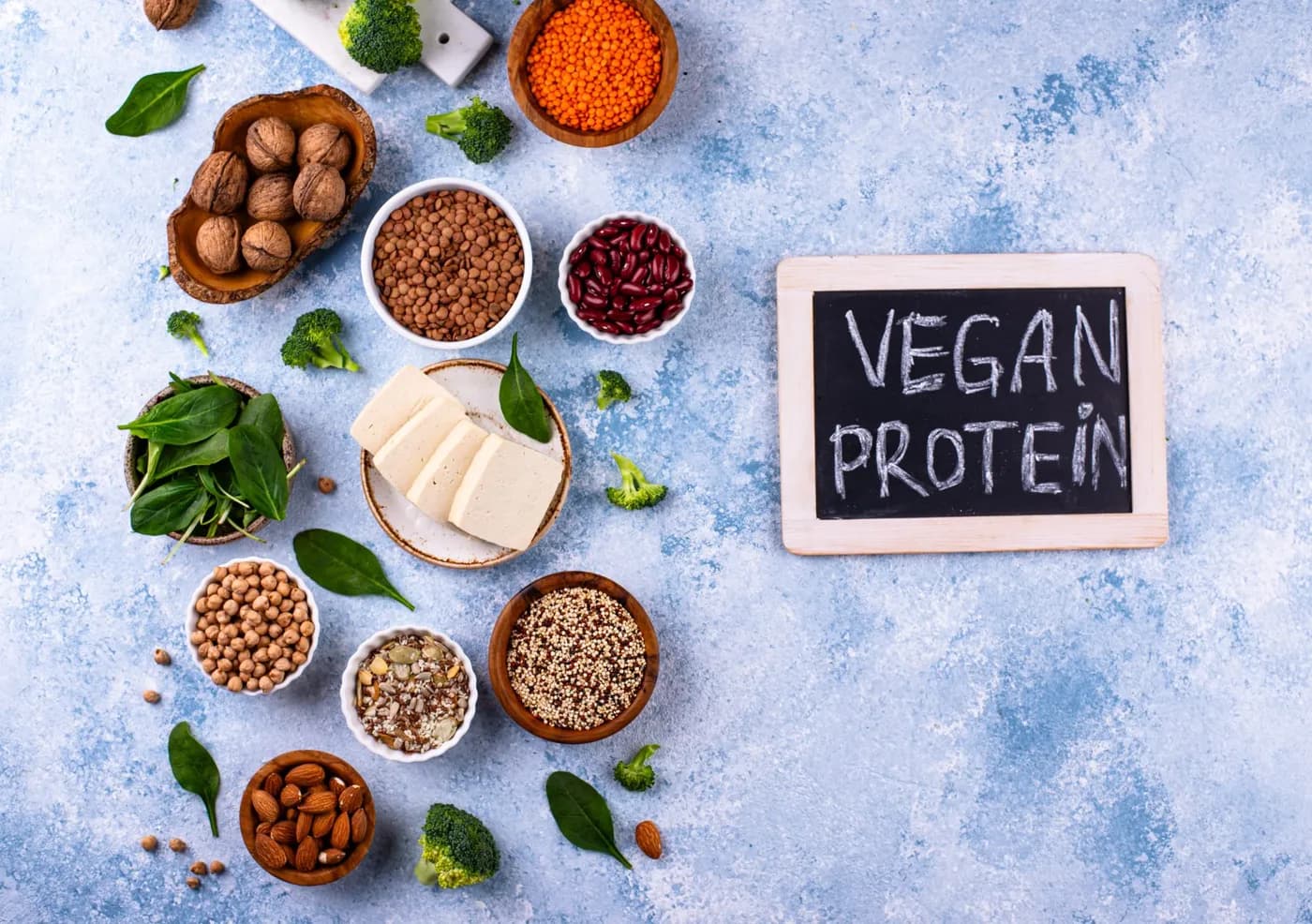
Yes. Dal, rajma, chana, soy, peas, nuts, seeds and grains all contribute vegetarian protein. Milk, curd, paneer and eggs add protein for people who include them.
Different plant foods have different amino-acid patterns and digestibility. Eating enough food and a variety of pulses, grains, soy, nuts and seeds across the day usually covers these differences. Reviews find that protein adequacy is achievable in varied vegetarian diets. (3)
You do not need to pair dal and rice in the same bite. The body can use amino acids eaten across the day. Traditional combinations are useful because they are tasty, affordable and balanced—not because every meal must follow a rigid rule.
High-protein vegetarian foods
Pulses and beans
Dal, chickpeas, rajma, lobia, peas and other legumes are practical staples. Use a generous katori rather than a thin, mostly watery serving when protein is the goal.
Soy foods
Tofu, soy chunks, tempeh and unsweetened soy milk provide useful protein. Choose products with simple ingredient lists and use soy as one option, not the only food in your diet.
Dairy and eggs
Milk, curd, paneer and eggs can make meals easier for lacto-vegetarians and ovo-vegetarians. Choose portions that fit your total energy, saturated-fat and medical needs.
Nuts and seeds
Peanuts, almonds, sesame, pumpkin seeds, chia and flax add vegetarian protein, fats and minerals. They are energy-dense, so a small handful or spoonful is usually enough.
Whole grains and millets
Oats, wheat, rice, quinoa and millets add protein, but they are not usually the main protein anchor. Pair them with dal, beans, soy, curd or eggs.
This connects well with High Protein Vegetarian Foods and 50 healthy vegetarian foods for everyday eating if you want the fuller picture.
A simple meal-planning method
Build each main meal around one vegetarian protein anchor, then add vegetables and a familiar grain or millet.
- Breakfast: besan chilla with curd, or oats with milk and nuts.
- Lunch: rajma or chole with rice, salad and curd.
- Snack: roasted chana, fruit with curd, or peanuts.
- Dinner: tofu or paneer bhurji with roti and vegetables.
- Vegan option: replace dairy with fortified soy milk or soy curd.
Spread protein through the day. One very large dinner is harder to repeat and may not support appetite or training as well as regular balanced meals.
Common vegetarian protein myths
“Vegetarians are always protein deficient”
False. Many vegetarian patterns provide enough vegetarian protein. Problems are more likely when total food intake is too low, meals are mostly refined starch, or the diet is highly restricted.
“You need protein powder”
Most people do not need powder to meet basic needs. Food also brings fibre, vitamins and minerals. A powder can be convenient for some athletes or people with low appetite, but it should solve a real gap.
“More protein is always better”
False. vegetarian Protein still provides energy, and very high intakes can crowd out fruit, vegetables and whole grains. Supplements can also contain sweeteners, stimulants or undeclared ingredients.
“Only soy is complete”
Soy has a useful amino-acid profile, but it is not the only answer. Variety across pulses, grains, nuts, seeds and dairy or eggs can meet needs.
How to estimate your intake
Write down one normal day. Circle the clear protein food in breakfast, lunch, snack and dinner. If a meal has none, add one before buying supplements.
Food labels can help, but serving sizes differ. Count the amount you actually eat. If you train seriously, are losing weight unintentionally or have a medical condition, a dietitian can calculate a personal target.
For more practical meal ideas, read Habuild’s Diet and Nutrition guide.
Signs that need attention
Low protein is not diagnosed from one symptom. Ongoing muscle loss, poor wound healing, swelling, repeated illness or unexplained weight loss needs medical assessment.
Tiredness may also come from low iron, B12, vitamin D, poor sleep, thyroid disease or too little total food. Do not assume vegetarian protein is the only cause.
Frequently Asked Questions
Related Articles
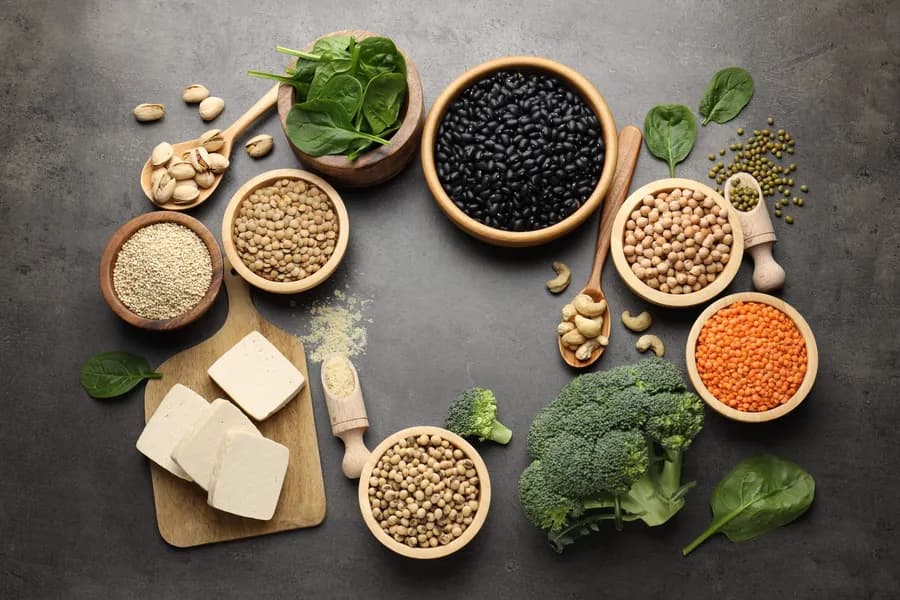
Protein rich vegetarian foods: the perfect plate habit
Learn how protein rich vegetarian foods support energy, strength and fullness. Use the perfect plate habit with greens, grains and protein.

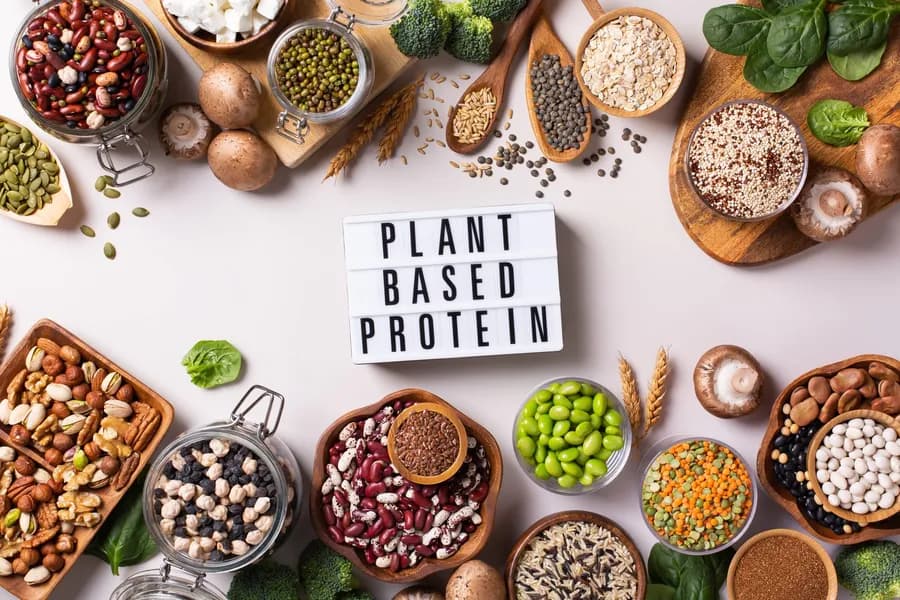
Protein-rich vegetarian foods: 1/4th plate habit
Explore protein, carbohydrates, healthy fats and meal planning for strength training, muscle building and recovery.

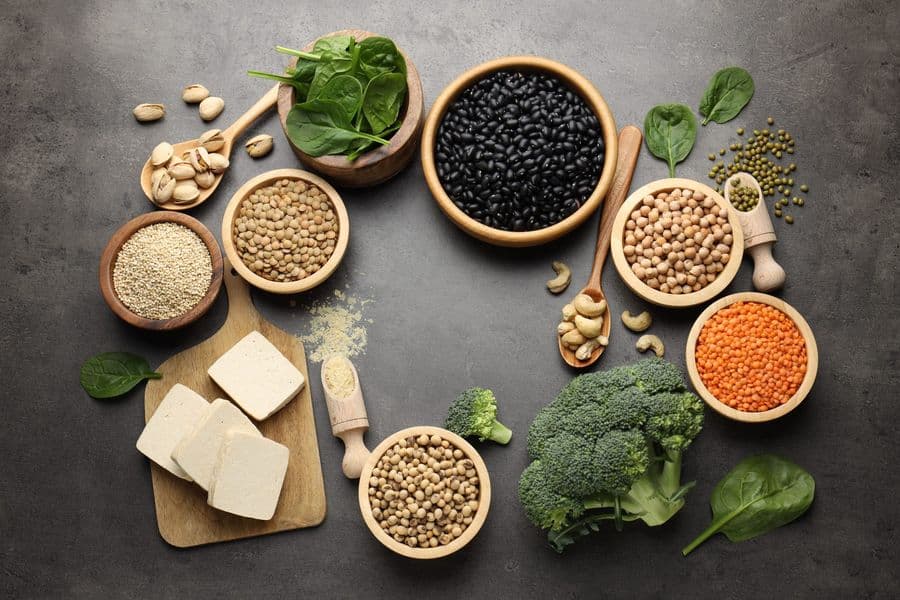
How to Get Enough Protein on a Vegetarian Diet
Learn how protein rich vegetarian foods support energy, strength and fullness. Use the perfect plate habit with greens, grains and protein.