
Asparagus Benefits: Nutrition, Portions and Safety
Asparagus is a green or white spear vegetable that provides fibre, folate, vitamin K and other micronutrients with relatively little energy.

Key Takeaways
- Asparagus contributes fibre, folate and vitamin K.
- Roasting, steaming and sautéing are practical cooking methods.
- A harmless sulphur smell in urine is common after eating it.
- Warfarin and kidney-specific diets may require intake consistency or tailoring.
Asparagus is a green or white spear vegetable that provides fibre, folate, vitamin K and other micronutrients with relatively little energy. It can add variety to meals, but it does not detox the kidneys, prevent cancer or cause weight loss by itself. This guide examines the asparagus option without overstating what one food, habit or supplement can do.
Understanding asparagus benefits in context
Green asparagus grows above soil and develops chlorophyll; white asparagus is shielded from light. Their nutrient profiles differ slightly. Fresh, frozen and canned forms can all fit, although canned products may contain more sodium.
Reading the evidence on the asparagus option
Claims surrounding asparagus benefits often combine several kinds of evidence. Nutrient composition can describe what something contains, while a clinical trial is needed to test a treatment effect. Laboratory and animal work may guide future research, but it cannot by itself predict a benefit for people.
How to interpret claims about the asparagus option
Marketing around asparagus benefits may emphasise one attractive property while ignoring serving size and context. A food can be nutritious without being therapeutic, and a supplement can contain an active compound without producing a meaningful result. That distinction keeps expectations realistic.
Simple serving ideas for the asparagus option
- Roast with a measured amount of oil and pepper.
- Add chopped spears to tofu or paneer stir-fry.
- Fold into an omelette if eggs are included.
- Use in pasta with beans and a tomato-based sauce.
Introduce the asparagus option without turning it into the centre of the diet or routine. Pair it with established habits, avoid stacking similar products, and judge the complete pattern. A small possible advantage rarely outweighs poor sleep, inadequate nutrition or delayed medical care.
Portion, preparation and pairings for asparagus benefits
There is no compulsory daily serving of the asparagus option. Use hunger, meal size and dietary needs to guide the amount. Preparation can alter texture, fibre retention, added fat, sugar and sodium, so compare the finished dish rather than judging the ingredient in isolation.
Important limits to remember
Some people develop gas because asparagus contains fermentable carbohydrates. Allergy is uncommon but possible. Keep vitamin K intake consistent when taking warfarin. People with kidney disease should follow individual potassium and fluid guidance.
Potential problems with asparagus benefits may involve allergy, digestive tolerance, medicine interactions or excessive intake. Do not use it to postpone diagnosis or alter prescribed treatment. Show a clinician the exact product label when asking about safety.
The balanced view on the asparagus option
For most people, asparagus benefits belongs within a broader pattern rather than at the centre of it. Practical portions, accurate labels and realistic expectations matter more than superfood language. When uncertainty remains, choose the safer interpretation and avoid escalating exposure.
How to personalise choices involving asparagus
The usefulness of asparagus benefits depends on the decision it supports. Ask whether the information applies to a food, supplement, symptom or clinical treatment, because each requires a different standard of evidence. Then compare the proposed choice with the realistic alternative. Adding something nutritious may help, but replacing a balanced meal or delaying appropriate care can change the conclusion completely. This comparison is more informative than asking whether the topic is simply good or bad.
Availability and consistency matter in practice. An expensive or complicated approach is unlikely to be sustained, even when it appears attractive on paper. For asparagus benefits, choose an option that fits familiar meals, preparation time and household needs. Comparable local foods or simpler habits may offer the same practical value. A flexible plan also makes it easier to maintain variety and reduces the chance that one highly promoted item dominates the diet.
What to monitor over time
Use ordinary indicators to judge progress: appetite, digestion, energy, sleep, symptom frequency or relevant measurements recommended by a clinician. Record enough detail to see a pattern, but do not interpret every daily fluctuation. Give asparagus benefits only the time that is reasonable for the stated goal, then decide whether it was helpful, neutral or troublesome. If there is no clear benefit, continuing indefinitely or increasing the amount is unlikely to create a better-quality experiment.
A sensible plan includes a stopping rule. Decide in advance what lack of improvement, side effect or practical burden would lead you to reconsider asparagus benefits. This reduces the temptation to keep spending money or to assume that a stronger version must work better. When professional care is involved, share the exact product, preparation and amount rather than using a general name; formulations with similar branding can still produce very different exposures.
Revisit the decision about asparagus benefits when circumstances change. New medicines, pregnancy, worsening symptoms, altered activity or a different diagnosis can make earlier advice unsuitable. Otherwise, focus on the overall pattern and allow variety rather than repeatedly searching for a single best food or remedy. A practical choice that is safe, affordable and enjoyable is more likely to support health than a rigid plan built around marketing language.
It also helps to separate convenience from necessity. A packaged or specialised option may suit travel, limited cooking facilities or a temporary clinical need, but that does not make it essential in every routine. Consider whether asparagus benefits offers a clear advantage over familiar alternatives with similar nutritional or practical value. This question can reduce cost, simplify shopping and prevent a useful choice from turning into an inflexible rule.
Editorial sources
Frequently Asked Questions
Related Articles
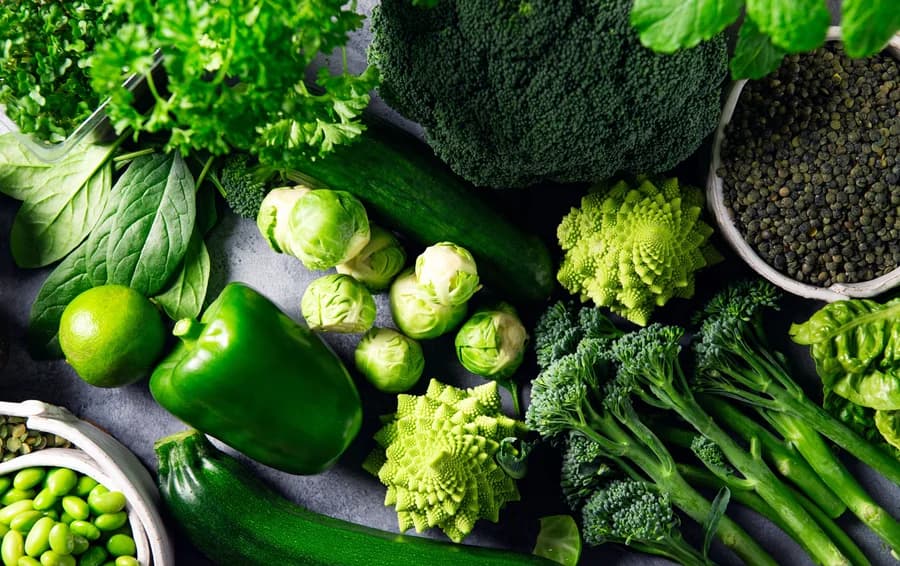
Green Vegetables Benefits: Nutrition and Everyday Uses
Green vegetables include leafy greens, beans, peas, broccoli, okra and many local varieties.

Folic Acid Rich Foods: Folate Sources, Portions and Safety
Folate is vitamin B9 found naturally in foods, while folic acid is the form used in fortified foods and supplements.
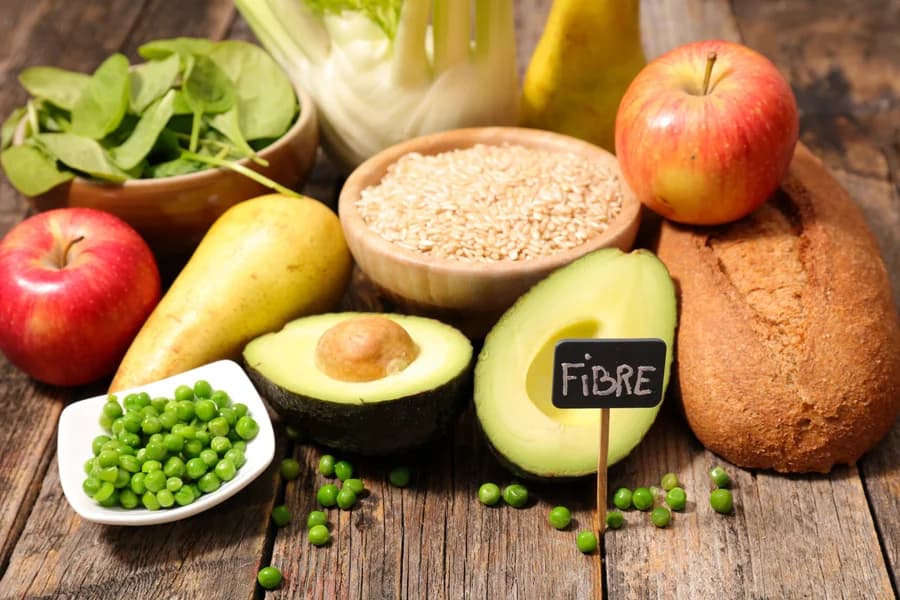
Roughage Meaning: Fibre Types, Food Sources and Safety
Roughage is an older everyday term for dietary fibre—the parts of plant foods that are not fully digested in the small intestine.