
Folic Acid Rich Foods: Folate Sources, Portions and Safety
Folate is vitamin B9 found naturally in foods, while folic acid is the form used in fortified foods and supplements.
Key Takeaways
- Folate occurs naturally; folic acid is added to foods or supplements.
- Beans, leafy greens, peas and fortified cereals are useful sources.
- Pregnancy recommendations often include a folic-acid supplement.
- High supplemental intake can mask vitamin B12 deficiency.
Folate is vitamin B9 found naturally in foods, while folic acid is the form used in fortified foods and supplements. Many searches use the terms interchangeably, but the distinction matters. Leafy vegetables, beans, peas, citrus and fortified grains can help meet needs. This guide examines the folic guidance without overstating what one food, habit or supplement can do.
What matters most about folic acid rich foods
Folate supports DNA synthesis and normal cell division. Adults generally need 400 micrograms dietary folate equivalents daily; requirements rise in pregnancy. Food labels and national fortification practices vary, so check the product rather than assuming every flour or cereal is fortified.
Evidence, uncertainty and the folic guidance
Claims surrounding folic acid rich foods often combine several kinds of evidence. Nutrient composition can describe what something contains, while a clinical trial is needed to test a treatment effect. Laboratory and animal work may guide future research, but it cannot by itself predict a benefit for people.
How to interpret claims about the folic guidance
Marketing around folic acid rich foods may emphasise one attractive property while ignoring serving size and context. A food can be nutritious without being therapeutic, and a supplement can contain an active compound without producing a meaningful result. That distinction keeps expectations realistic.
What folic acid rich foods means for everyday decisions
- Add lentils, chickpeas or rajma to meals most days.
- Rotate spinach, methi, amaranth leaves and broccoli.
- Use oranges, peanuts, peas and avocado for variety.
- Check whether breakfast cereal or flour is fortified and note the serving size.
Introduce the folic guidance without turning it into the centre of the diet or routine. Pair it with established habits, avoid stacking similar products, and judge the complete pattern. A small possible advantage rarely outweighs poor sleep, inadequate nutrition or delayed medical care.
How to use the idea without oversimplifying it
Folic acid rich foods is a guide, not a complete judgement about a food, symptom or health plan. Apply it alongside portion, preparation, nutrient quality and individual needs. One number or label cannot capture the effect of an entire meal or routine.
When the folic guidance may not be suitable
Do not use high-dose folic acid to self-treat fatigue or anaemia. Excess supplemental folic acid can hide blood signs of vitamin B12 deficiency while neurological damage progresses. Methotrexate and some anti-seizure medicines require clinician-directed folate advice.
Potential problems with folic acid rich foods may involve allergy, digestive tolerance, medicine interactions or excessive intake. Do not use it to postpone diagnosis or alter prescribed treatment. Show a clinician the exact product label when asking about safety.
The bottom line on the folic guidance
For most people, folic acid rich foods belongs within a broader pattern rather than at the centre of it. Practical portions, accurate labels and realistic expectations matter more than superfood language. When uncertainty remains, choose the safer interpretation and avoid escalating exposure.
How to personalise choices involving folic acid
Begin by defining what you expect folic acid rich foods to change. A broad aim such as “better health” is difficult to judge, whereas a specific goal—improving variety, solving a preparation problem or discussing a symptom—can be reviewed. Consider the starting point, the time needed for a meaningful change and other habits that influence the same outcome. This prevents normal day-to-day variation from being mistaken for proof that one ingredient or practice is working.
Context also determines whether a claimed advantage is relevant. A nutrient-rich item can support dietary quality without producing a drug-like effect, and an improvement in a laboratory marker may not translate into a noticeable health outcome. When considering folic acid rich foods, look for the absolute size of any reported effect and the duration of follow-up. Small short-term studies can suggest possibilities, but they should not be converted into guaranteed results for everyone.
What to monitor over time
Watch for unintended trade-offs while trying folic acid rich foods. A restrictive rule may reduce dietary variety; a drink may add sugar or acidity; a supplement may overlap with medicines; and a large serving may cause digestive discomfort. Review the complete pattern rather than focusing only on the advertised feature. The aim is a net improvement that can be maintained comfortably, not perfect adherence to a trend or an arbitrary target.
Common warning signs include escalating the amount, combining several products with similar ingredients or relying on testimonials in place of reliable guidance. Stop and seek advice if a new rash, persistent digestive symptoms, unusual weakness or another concerning change follows use. Urgent symptoms need urgent care. Discuss folic acid rich foods with a qualified professional when regular medication, surgery, pregnancy or a chronic condition makes interactions or restrictions more likely.
Ultimately, folic acid rich foods is one part of a larger picture. Its value should be assessed by the quality it adds, the alternative it replaces and any inconvenience or adverse effect it creates. Clear goals and accurate labels make that assessment easier. Where evidence is uncertain, the honest conclusion is uncertainty—not a promise. Choosing a moderate, sustainable approach usually provides more useful information than pursuing rapid change through unusually large portions or concentrated products.
It also helps to separate convenience from necessity. A packaged or specialised option may suit travel, limited cooking facilities or a temporary clinical need, but that does not make it essential in every routine. Consider whether folic acid rich foods offers a clear advantage over familiar alternatives with similar nutritional or practical value. This question can reduce cost, simplify shopping and prevent a useful choice from turning into an inflexible rule.
Editorial sources
Frequently Asked Questions
Related Articles
Vitamin B Rich Foods: Sources, Functions and Deficiency Risks
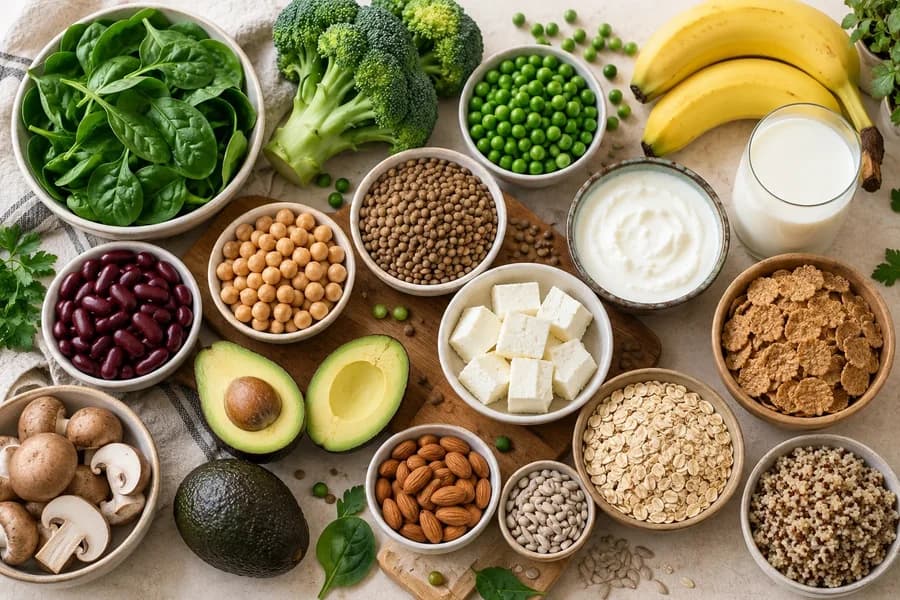
The B-vitamin family includes thiamin, riboflavin, niacin, pantothenic acid, vitamin B6, biotin, folate and vitamin B12.

Green Vegetables Benefits: Nutrition and Everyday Uses
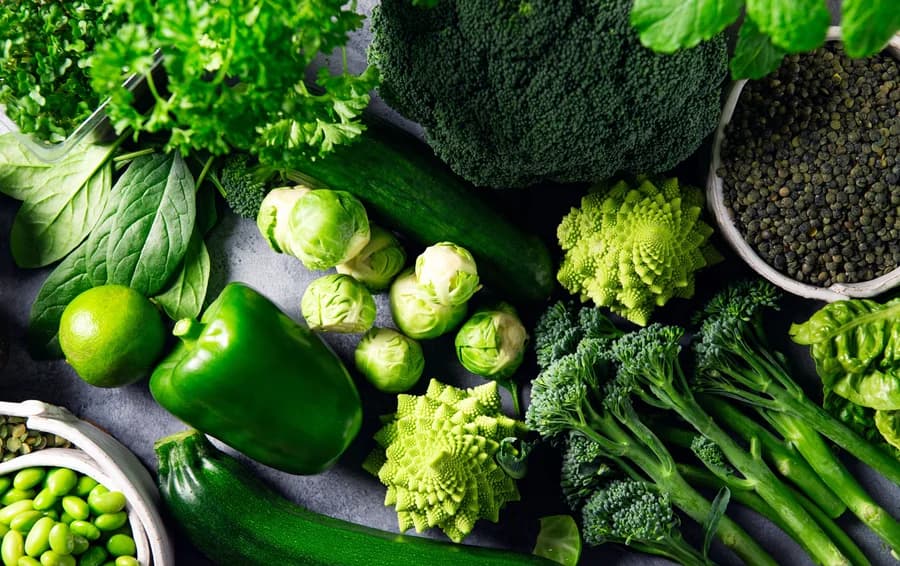
Green vegetables include leafy greens, beans, peas, broccoli, okra and many local varieties.

Green Peas Benefits, Nutrition, Portions and Uses
Green peas are legumes harvested while young and commonly treated as a vegetable.