
Bajra: Pearl Millet - Nutrition and Uses
Bajra in English is called pearl millet. It is a gluten-free millet used in rotis, khichdi, porridge and fermented dishes across India. Pearl millet…
Key Takeaways
- Bajra is the Hindi name commonly used for pearl millet.
- It is naturally gluten-free but can be contaminated during processing.
- Bajra provides carbohydrate, fibre and several micronutrients.
- Portion, oil, salt and accompaniments determine the balance of the meal.
Bajra in English is called pearl millet. It is a gluten-free millet used in rotis, khichdi, porridge and fermented dishes across India. Pearl millet provides carbohydrate, fibre, some protein and minerals, but its exact nutrition depends on the grain and recipe. This guide explains its value without presenting one millet as a cure or compulsory daily food. Once bajra in english is understood as pearl millet, recipe choices become clearer.
Pearl millet and its place in Indian food
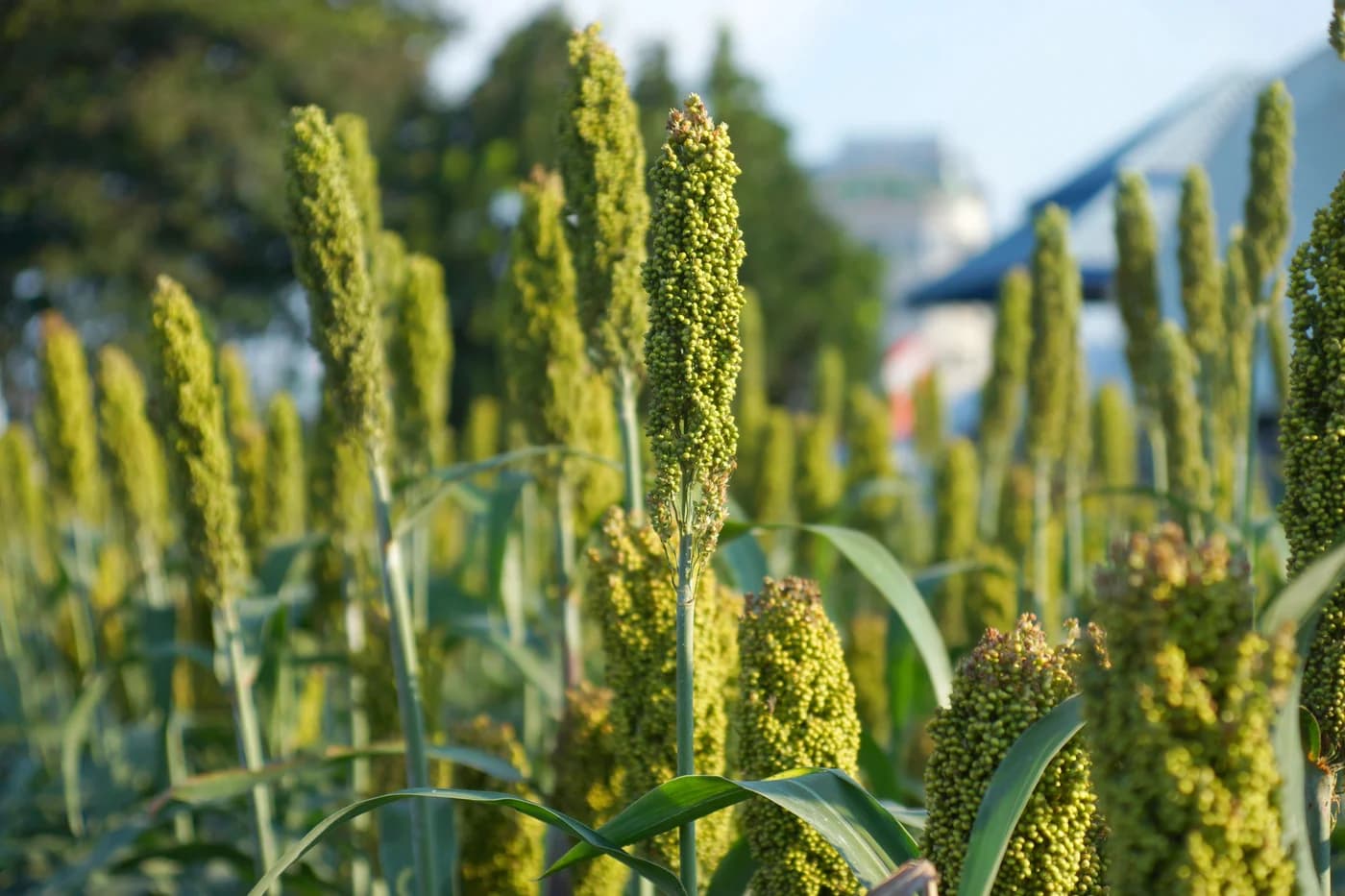
Pearl millet is a hardy cereal grain suited to hot, dry regions. Its grey-green grains are commonly ground into flour. Knowing that bajra in english means pearl millet helps distinguish it from ragi, jowar and other millets, which have different textures and nutrient profiles. Searching bajra in english should lead to pearl millet rather than a different grain.
Bajra has an earthy flavour and works well in winter meals, though there is no nutritional rule limiting it to one season. Traditional use is a useful cooking guide, not proof that the grain treats diabetes, anaemia or digestive disease. Variety across grains can improve enjoyment and dietary range. Nutrition information for bajra in english needs a realistic cooked portion.
Nutrition in a realistic serving
Pearl millet supplies starch for energy, along with fibre and some protein, iron, magnesium and other minerals. Nutrient tables often show values for 100 grams of dry grain, which may be more than one person eats after cooking. Absorption also differs from the number printed in a database. A gluten-free claim about bajra in english still requires cross-contact checks.
Phytates in whole grains can reduce absorption of some minerals, while soaking, fermenting or combining foods may change availability. Bajra is not a complete treatment for iron deficiency. Pair it with dal or curd for protein and vegetables for variety; use vitamin C-rich foods alongside plant iron. Recipes for bajra in english can extend well beyond roti.
Bajra rotis that are easier to handle
Bajra flour has no gluten, so the dough behaves differently from wheat dough. Use warm water, knead a small portion and pat or roll it gently between sheets. Some cooks mix bajra with wheat for easier handling, but that version is not gluten-free. Blood-glucose advice about bajra in english must include portion and meal balance.
Serve rotis with dal, beans, curd, paneer, eggs or another suitable protein plus vegetables. Ghee can add flavour, but large amounts increase saturated fat and energy. A bajra meal is not automatically balanced simply because the grain is traditional.
Beyond roti khichdi and breakfast ideas
Cook pearl millet with moong dal and vegetables for khichdi, or use cracked grain as porridge. Fermented batters can be combined with lentils for cheela or dosa-style dishes. Leftover cooked grain should be cooled and refrigerated promptly rather than kept warm for many hours.
For breakfast, bajra upma with vegetables and peanuts can be practical. A sweet porridge may include milk, nuts and fruit; keep added sugar modest. Understanding bajra in english should lead to usable recipes, not a list of abstract benefits.
Gluten-free does not always mean coeliac-safe
Pearl millet is naturally gluten-free. However, flour may be milled, transported or packed near wheat, barley or rye. People with coeliac disease need a product labelled or certified gluten-free and should prevent cross-contact with shared containers, rolling boards and utensils.
Someone without coeliac disease does not gain an automatic advantage by avoiding wheat. Bajra can simply add variety. Introduce it gradually if a sudden rise in fibre causes bloating, and drink according to thirst. Severe or persistent digestive symptoms require assessment.
Blood glucose and portion context
Bajra contains carbohydrate and will affect blood glucose. Fibre, grain structure, processing, cooking and the rest of the meal influence the response. A large portion of refined bajra flour is not carbohydrate-free. People with diabetes should use an individually suitable portion and monitor as advised.
Combine the grain with protein and non-starchy vegetables rather than relying on it alone. Replacing a refined grain may help some meals, but results depend on the complete pattern. Claims that bajra reverses diabetes or guarantees weight loss go beyond the evidence.
Buying storing and using it well
Choose clean flour or grain from a reliable source and check the date. Whole-grain flour contains oils that can become rancid, so buy a manageable quantity and store it airtight, cool and dry. Discard flour with insects, mould, moisture damage or an unpleasant bitter smell.
The simplest conclusion is that bajra in english is pearl millet: a useful grain, not a miracle. Rotate it with rice, wheat, oats, jowar and other grains according to tolerance, access and preference. The strongest meal is the one that also includes protein, vegetables and sensible cooking fats.
Buying storing and using it well in daily life
Bajra flour can be combined with grated vegetables, herbs or spices for variety, but additions change the final dish. Packaged millet biscuits may still be high in sugar, salt or saturated fat. Read the ingredient list and nutrition panel instead of assuming that a millet claim makes a processed snack suitable for unlimited use.
Like other grains, pearl millet should be prepared with clean water and cooked thoroughly. Soaking can shorten cooking time, while fermentation can change flavour and texture. These methods do not remove every carbohydrate or guarantee easier digestion for everyone. For children, older adults or people with chewing difficulty, softer porridge or khichdi may be easier than a dry, dense roti. When appetite is low, enrich a suitable portion with dal, curd, ground nuts or oil according to individual needs. If the grain is unfamiliar, begin with one meal rather than changing the entire week at once. Comfort and affordability matter alongside nutrient comparisons. Millet is not a substitute for prescribed thyroid medicine, iron treatment or diabetes care. Let diagnosed conditions guide portions and preparation.
Editorial sources
Frequently Asked Questions
Related Articles

Complete protein for vegetarians: easy food pairs
Vegetarian meals can deliver complete protein too, once you know which everyday food pairs to combine. See the simple combinations that make it easy.

Gluten Free Foods: A Practical Guide for Celiac Disease and Sensitivity
Indian kitchens already have a long list of naturally gluten-free options — rice, millets, pulses, and more — that can form a complete diet without.
Types of Millets: Ragi, Jowar, Bajra, Foxtail and Kodo
Ragi brings calcium, bajra is linked with iron, foxtail gives protein and fibre — rotating millets means rotating nutrients. See what each type brings to.