
Beans Health Benefits: Why This Everyday Legume Deserves a Daily Spot on Your Plate
Beans are high in protein and fibre, low in fat, and already part of most Indian kitchens — rajma, chickpeas, cowpeas, and more. See why they deserve a.
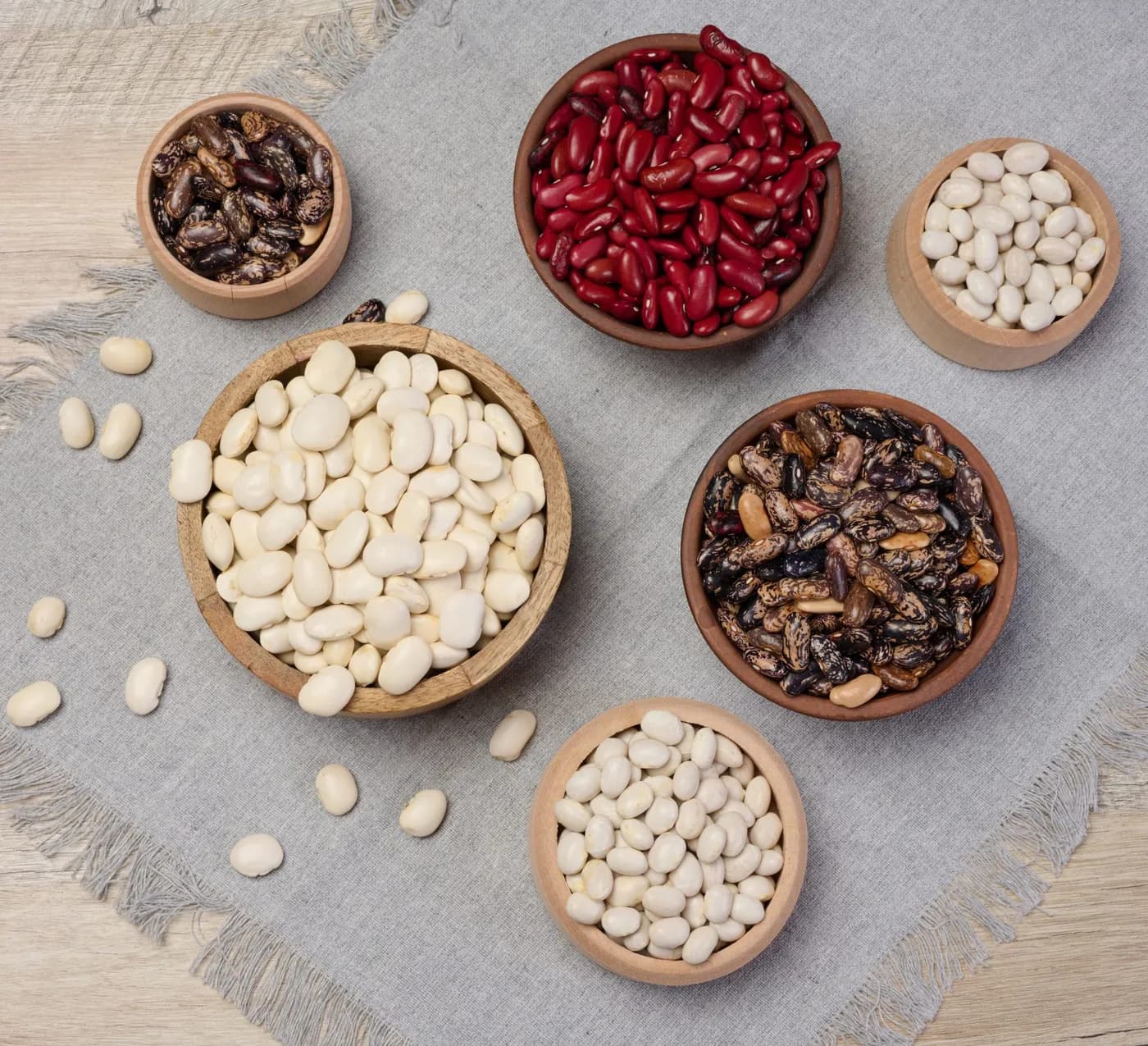
Key Takeaways
- A cooked cup provides 12-15g protein and 10-15g fibre – a lot of nutrition per rupee.
- Their low glycemic impact means beans raise blood sugar more gradually than refined carbs.
- Soluble fibre feeds beneficial gut bacteria, acting as a natural prebiotic.
- Soaking and discarding the water, then cooking thoroughly, reduces gas and bloating.
- Soluble fibre also binds to bile acids, helping lower LDL cholesterol over time.
The beans health benefits that make this humble legume family worth eating regularly come down to a rare combination: they’re high in protein and fibre, low in fat, inexpensive, and already part of most Indian kitchens in some form — rajma, chickpeas, cowpeas, black beans, and more. Beans aren’t a trendy superfood; they’re an everyday staple that quietly supports digestion, heart health, and steady blood sugar when eaten a few times a week.
Beans at a Glance
Most of the beans health benefits below come from the same underlying nutrient profile, whichever type of bean you’re eating.
- Plant protein powerhouse — a cooked cup of most beans provides 12-15g of protein, making them one of the most accessible protein sources for vegetarians.
- High in fibre — beans typically pack 10-15g of fibre per cooked cup, covering roughly a third to half of the daily recommended intake in one serving.
- Low glycemic impact — the fibre and protein combination slows digestion, so beans raise blood sugar more gradually than refined carbohydrates.
- Rich in minerals — beans are a good source of iron, magnesium, potassium, and folate, several of which are commonly under-consumed in vegetarian diets.
- Naturally low in fat and sodium — when cooked without excess oil, beans are heart-friendly by default.
- Budget-friendly and versatile — dried or canned, beans work in curries, salads, soups, and chaats, making them easy to include often.
Beans Health Benefits for Digestion and Gut Health
The fibre in beans is a mix of soluble and insoluble types, and this combination is one of the biggest beans health benefits for gut function. Soluble fibre forms a gel-like substance during digestion that feeds beneficial gut bacteria, acting as a prebiotic that supports a more diverse gut microbiome. Insoluble fibre adds bulk to stool and helps keep bowel movements regular. Together, they’re a big reason beans are consistently linked to better digestive health compared to diets low in fibre, and it’s one of the more well-documented beans health benefits overall. The catch is that this same fibre can cause gas and bloating if you’re not used to eating beans regularly — soaking dried beans well, discarding the soaking water, and cooking them thoroughly (a pressure cooker works well for Indian cooking) reduces this considerably. Starting with smaller portions and increasing gradually also helps your gut adjust.
Two of the most common beans worth spotlighting individually are rajma and cowpeas — see rajma benefits for how kidney beans specifically support iron and protein intake, and cowpeas benefits for why lobia is often considered gentler on digestion than other beans.
Photo: Scott Veg, CC BY 2.0, via Wikimedia Commons
Heart Health and Blood Sugar Beans Health Benefits
Beans support heart health through several overlapping mechanisms. Their soluble fibre binds to cholesterol-containing bile acids in the digestive tract, which can help lower LDL (“bad”) cholesterol over time when beans are eaten regularly as part of an overall balanced diet. They’re also naturally low in saturated fat and sodium, and their potassium content supports healthy blood pressure by helping balance out sodium’s effects. For blood sugar, the protein-fibre combination slows the rate at which glucose enters the bloodstream after a meal, which is why beans tend to have a lower glycemic index than white rice, potatoes, or refined flour dishes. This makes beans a useful addition for people managing type 2 diabetes or insulin resistance, though portion size and preparation (avoiding excess oil or sugar in preparations) still matter — one of the beans health benefits that’s genuinely backed by how the fibre and protein work together, not just tradition.
How to Get More Beans into an Indian Diet
Most Indian households already eat some form of beans — rajma, chana, lobia, and moong are staples — but variety adds nutritional range since different beans offer slightly different micronutrient profiles, so rotating them helps you get a fuller spread of the beans health benefits rather than leaning on just one type. A simple approach is rotating two or three types of beans through the week: rajma or chickpeas in a curry, cowpeas in a chaat or sabzi, and black-eyed peas or moth beans in a salad. Soaking dried beans overnight before cooking improves digestibility and shortens cooking time. If you’re using canned beans for convenience, rinsing them well reduces added sodium significantly. Pairing beans with a grain like rice or roti also creates a more complete amino acid profile, which is especially useful for vegetarians relying on plant protein.
Frequently Asked Questions
Related Articles

Is Ghee Good for Health? Healthy Fats Habit
Is ghee good for health? Learn how to use ghee in moderation, why portion size matters and how one small spoon can fit into Indian meals.
How to Improve Kidney Health Naturally
Staying hydrated, exercising regularly, reducing sodium, prioritising sleep, and avoiding NSAID overuse help your kidneys manage their filtration.


How to Improve Heart Health Naturally
People who move daily — through walking, yoga, or bodyweight strength work — develop better circulation and lower resting heart rates than sedentary.