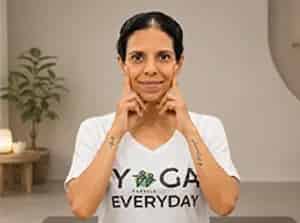
How to Improve Heart Health Naturally
People who move daily — through walking, yoga, or bodyweight strength work — develop better circulation and lower resting heart rates than sedentary.

Key Takeaways
- Consistent movement is linked to a lower resting heart rate over time.
- Yoga and mindful movement are widely associated with supporting healthy blood pressure.
- The heart is a muscle – consistent training may help strengthen how it contracts.
- Regular exercise is associated with a healthier balance of HDL to LDL cholesterol.
- Morning or daytime exercise tends to support deeper, more restorative sleep at night.
Improving heart health naturally means using regular exercise, breathwork, stress management, and consistent daily habits to strengthen the cardiovascular system over time. Research consistently shows that people who move daily — through walking, yoga, or bodyweight strength work — develop better circulation, lower resting heart rates, and improved blood pressure management compared to sedentary peers.
Whether you want to support better circulation, manage blood pressure, or simply feel more energetic day to day, a combination of consistent movement and mindful habits can make a meaningful difference. If you’re wondering how to improve heart health naturally, regular exercise, a balanced diet, stress management, and adequate sleep can help support overall cardiovascular health.
This guide covers the real benefits of heart-healthy exercise, the best exercises to start with, and the common mistakes that quietly hold people back.
10 Benefits of Keeping Your Heart Healthy Naturally
- Improved Circulation Regular physical activity encourages the heart to pump blood more efficiently throughout the body. Over time, this may reduce strain on your cardiovascular system and support better oxygen delivery to muscles and organs.
- Lower Resting Heart Rate Consistent aerobic and strength-based movement can gradually help lower your resting heart rate. A lower resting rate is generally a sign that your heart is working more efficiently without unnecessary effort.
- Better Blood Pressure Management Exercise and stress-reduction practices — particularly yoga and mindful movement — are widely associated with supporting healthy blood pressure levels when practiced regularly over weeks and months.
- Stronger Heart Muscle Just like your biceps or quads, your heart is a muscle. Consistent cardiovascular and resistance training may help strengthen it over time, supporting how well it contracts and circulates blood with each beat.
- Reduced Inflammation Chronic low-grade inflammation is a key risk factor for heart conditions. Regular movement combined with a balanced diet and adequate sleep may help the body manage inflammatory markers more effectively.
- Healthier Cholesterol Balance Regular exercise is associated with supporting a healthier ratio of HDL (good) to LDL (bad) cholesterol — an important marker for cardiovascular health over time.
- Better Weight Management Carrying excess weight places additional demand on the heart. Consistent exercise and mindful eating support a healthy body weight, which reduces that extra load on your cardiovascular system.
- Reduced Stress on the Heart Chronic psychological stress is hard on the heart. Practices like yoga, breathwork, and regular movement help the nervous system shift toward a calmer state, which may ease stress-related cardiovascular strain over time. Dedicated heart-health yoga practices are a practical starting point for anyone looking to address this specifically.
- Improved Sleep Quality Poor sleep and heart health are closely linked. Regular physical activity — especially morning or daytime exercise — tends to support deeper, more restorative sleep, giving the heart important recovery time each night.
- Greater Energy and Endurance As cardiovascular fitness improves, everyday tasks feel less tiring. Climbing stairs, walking uphill, or simply getting through a busy day becomes easier because your heart and lungs are working more efficiently.
How to Get Started with Heart-Healthy Exercise
What You Need to Begin
You do not need a gym membership or expensive equipment. A yoga mat, comfortable clothing, and a commitment to showing up consistently are genuinely sufficient for most beginners. Bodyweight exercises, yoga flows, and walking are all highly effective starting points that require zero financial investment.
Setting Realistic Goals
Consistency matters far more than intensity, especially in the early weeks. Aim for 20 to 30 minutes of moderate movement on most days rather than exhausting yourself in sporadic bursts. Gradual progression — slightly increasing duration or intensity each week — is how real cardiovascular adaptation happens. Avoid the trap of overtraining early, which often leads to burnout before the benefits have a chance to build.
Start with the Basics
Beginners should focus on low-to-moderate intensity movements: brisk walking, gentle yoga flows, light bodyweight circuits, and deliberate breathwork. These activities elevate the heart rate enough to stimulate adaptation without overwhelming your system. As stamina grows over 4–6 weeks, you can layer in more demanding strength and cardio work.
Best Exercises for Heart Health
Brisk Walking
One of the most underrated cardiovascular exercises. A 30-minute brisk walk raises your heart rate into the moderate aerobic zone, supports circulation, and is gentle enough for almost any fitness level. Aim for 5 days a week as a baseline — even splitting it into two 15-minute sessions produces measurable benefit.
Squats
Squats engage the largest muscle groups in the body — quads, hamstrings, and glutes — which forces the heart to work harder to deliver blood. This makes them one of the most time-efficient cardiovascular and strength exercises available. Start with 3 sets of 10–12 bodyweight squats and progress from there.
Push-Ups
Push-ups build upper body strength while elevating the heart rate meaningfully when performed with good pacing. They require zero equipment and can be scaled from wall push-ups to full floor push-ups to suit any level. Try 3 sets of 8–15 reps. Structured strength training that blends exactly this type of compound work is central to Habuild’s daily guided sessions.
Lunges
Walking or stationary lunges challenge balance, activate major leg muscles, and keep the heart rate elevated throughout. They also support hip mobility — a key factor in overall functional movement. Perform 3 sets of 10 reps per leg, focusing on controlled movement rather than speed.
Plank
The plank is a deceptively effective exercise for the heart. Holding an isometric position engages the core, shoulders, and legs simultaneously — placing a sustained cardiovascular demand on the body without high-impact movement. Aim for 3 holds of 30–60 seconds, breathing steadily throughout.
Sun Salutations (Surya Namaskar)
A flowing sequence of 12 postures that links breath with movement, Surya Namaskar is one of the most complete natural cardiovascular practices available. Done at a moderate pace, a few rounds can elevate the heart rate comparably to a light jog while also building flexibility and strength. It is particularly well-suited for people who prefer a lower-impact approach.
Resistance Band Rows
Pulling exercises like seated or standing band rows strengthen the back and shoulders while keeping the cardiovascular system engaged. They also promote better posture, which indirectly supports heart function by reducing chest compression. Perform 3 sets of 12 reps with a controlled tempo.
Common Mistakes to Avoid
- Poor Form Exercising with poor technique — a hunched back during squats, collapsed knees during lunges — reduces effectiveness and raises injury risk. Prioritise quality of movement over the number of repetitions, especially when starting out. Guided instruction from day one is worth it.
- Skipping Warm-Up Launching straight into intense exercise without a warm-up can cause sudden spikes in blood pressure and strain on the heart muscle. A 5–10 minute gentle warm-up — light walking, joint rotations, or slow yoga flows — prepares the cardiovascular system for greater demand gradually.
- Overtraining More is not always better. Training hard every single day without adequate rest prevents the heart and muscles from recovering and adapting. Most people see better results with 4–5 active days and 2–3 lighter or rest days per week. Recovery is when adaptation actually happens.
- Inconsistency This is the single biggest obstacle to improving heart health naturally. Sporadic bursts of intense activity followed by weeks of inactivity provide little lasting benefit. The cardiovascular system adapts to steady, repeated stimulus over time. Habuild’s structured strength and conditioning approach is specifically designed to solve the consistency problem, not just the exercise one.
Who Should Try Heart-Healthy Exercise?
- Beginners If you have been largely inactive, even small increases in daily movement produce noticeable cardiovascular improvements. Start with 15–20 minutes of gentle activity and build from there. There is no minimum fitness level required — the entry point is simply showing up and moving.
- Women Heart disease is one of the leading health concerns for women, yet it is often underestimated. Strength training and cardiovascular exercise do not cause excessive bulk — a persistent myth. Regular movement supports hormonal balance, bone density, and cardiovascular function simultaneously, making it one of the most well-rounded investments women can make in their long-term health.
- Older Adults The heart becomes more susceptible to strain with age, making regular gentle exercise especially important for older adults. Low-impact options like yoga, walking, and bodyweight strength work support cardiac function, maintain mobility, and may help manage age-related changes in blood pressure and cholesterol. Always consult your doctor before beginning a new exercise routine if you have existing cardiovascular conditions.
- Working Professionals Long hours sitting at a desk compress the chest, restrict breathing, and place passive strain on the cardiovascular system over time. Short, consistent exercise sessions — even 20–30 minutes in the morning before work — can meaningfully offset the effects of a sedentary work environment. The posture and breathing benefits of yoga-based movement are particularly relevant here.
Build Heart Strength with a Routine That Actually Works
Improving your heart health naturally is not about doing random workouts — it is about consistency, guidance, and following a structured plan you can actually stick to. With the right support, you can build genuine cardiovascular fitness from home and feel real progress over time.
What You Get with Habuild’s Program:
- Daily live guided strength and yoga sessions
- Beginner-to-advanced progression that adapts as you improve
- No-equipment and home-friendly workouts
- Expert guidance to ensure correct form from day one
- A supportive community to help you stay consistent
For those who want to explore how strength training specifically supports heart function, Habuild’s core strength training program is an excellent complement to cardiovascular work — building the foundational stability that makes every other movement more efficient.
Start Your Heart Health Journey
Frequently Asked Questions
Related Articles

How to Improve Heart Health: 8 Daily Habits and Exercises That Actually Work
Daily moderate exercise is among the strongest interventions known for reducing cardiovascular event risk, comparable in effect to many cardiac


How to Improve Liver Health Naturally
Learn how to improve liver health naturally with exercise, diet, and daily habits. Start a 14-day free trial trial with Habuild's guided strength program today.

How to Improve Gut Health: Natural Methods through Yoga, Exercise and Diet
Intestinal motility, microbiome diversity, and the vagal-gut axis are the three correctable factors behind digestion, immune function, mood, and even.