Best Food for Loose Motion: What to Eat and Avoid
The best food for loose motion is bland, easy to digest, and replaces the fluids and salts you’re losing. See what to eat, what to skip, and when it.

Key Takeaways
- Bland, easy-to-digest food plus fluid and salt replacement is the whole strategy.
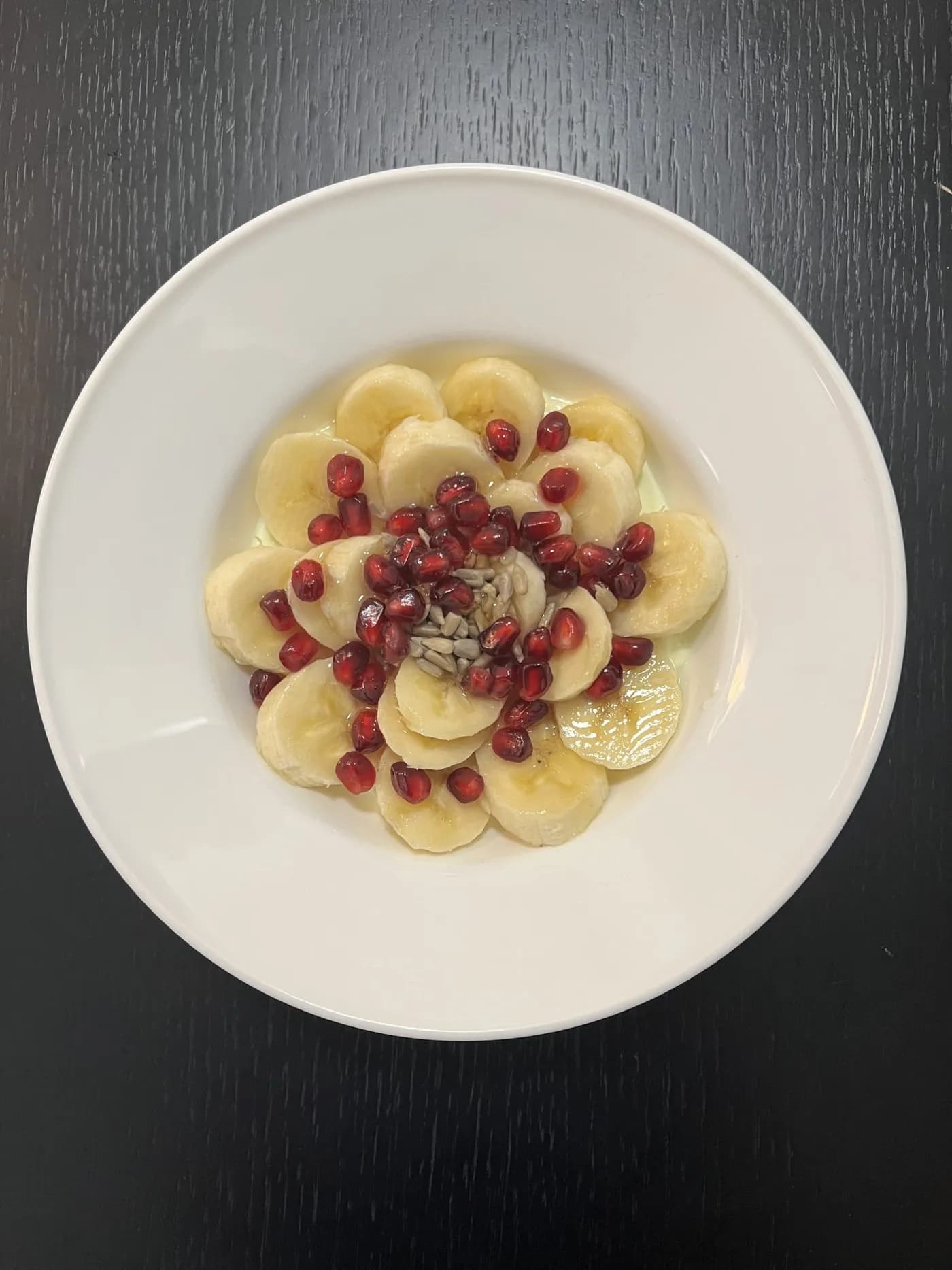
- Bananas, plain rice or khichdi, and toast are gentle on an irritated gut.
- Skip dairy beyond curd, spicy food, fried food, and raw salads while healing.
- Rebuild gradually – add cooked vegetables and dal only once stools firm up.
- See a doctor for blood in stool, high fever, or symptoms past 2-3 days.
Choosing the best food for loose motion comes down to two things: giving your gut something bland and easy to digest, and replacing the fluids and salts you’re losing. Loose motions are common and usually resolve within a couple of days with the right diet — here’s what to eat, what to skip, and when it needs more than home care.
Best food for loose motion: what to eat
- Bananas — bind stool gently and replace lost potassium
- Plain rice or khichdi — starchy and easy to digest, gentle on an irritated gut
- Toast or plain biscuits — simple carbohydrates that don’t tax digestion
- Curd or buttermilk (if tolerated) — probiotic content can help restore gut balance for many people
- Boiled potatoes — bland, filling, and easy on the stomach
Alongside food, hydration matters just as much — sip water, coconut water, or homemade ORS throughout the day to replace fluids and electrolytes lost through loose motions.
Foods to avoid during loose motion
Just as important as choosing the best food for loose motion is knowing what to skip while your gut settles:
- Dairy beyond curd or buttermilk — milk and cheese can be harder to digest and may worsen symptoms temporarily
- Spicy and heavily seasoned food — irritates an already sensitive gut
- Fried and oily food — slows digestion and can worsen diarrhoea
- Caffeine and carbonated drinks — both can increase gut irritation and fluid loss
- Raw salads and uncooked vegetables — harder to digest and a common source of contamination if hygiene is uncertain
These restrictions are temporary — once things settle, most people can reintroduce normal food within a few days, gradually moving away from the best food for loose motion and back to their usual meals.
How to rebuild your diet after loose motion settles
Move gradually: start with the best food for loose motion listed above, then add cooked vegetables, dal, and roti once stools are firmer, and only return to your regular diet (including dairy, spice, and raw foods) once digestion feels fully normal. Rushing this stage is one of the most common reasons loose motion symptoms come back.
Photo: Dolon Prova, CC BY-SA 4.0, via Wikimedia Commons
When loose motion needs medical attention
Most loose motions settle with the best food for loose motion and steady hydration alone. See a doctor if you notice blood or mucus in stool, high fever, signs of dehydration (very little urine, dizziness, dry mouth), symptoms lasting more than 2–3 days, or if you suspect the cause might be food poisoning with more severe symptoms like repeated vomiting.
If straining and constipation-related piles are also part of the picture once things settle, our diet for piles guide covers the food adjustments that help with that specifically.
Common Mistakes People Make
- Stopping eating entirely — skipping the best food for loose motion out of caution and eating nothing at all only weakens the body further; small bland meals are better than fasting.
- Jumping straight back to regular food — reintroducing spice, oil, and dairy too soon, before switching gradually away from the best food for loose motion, can restart symptoms.
- Forgetting electrolytes while focusing only on food — bland food helps, but without adequate fluids and salts, recovery is slower.
- Assuming all bland food is equally gentle — some “safe” options like certain packaged biscuits are high in refined sugar or fat, which isn’t quite the same as the genuinely bland best food for loose motion listed above.
- Ignoring how long symptoms have lasted — sticking to home remedies well past 2-3 days without medical review, even when the best food for loose motion isn’t resolving things.
Myths vs Facts About the Best Food for Loose Motion
- Myth: You should avoid all food until it stops completely. Fact: complete fasting isn’t necessary; small, bland meals support recovery better than an empty stomach.
- Myth: Spicy food helps “clear it out” faster. Fact: spice irritates an already sensitive gut and typically prolongs symptoms rather than resolving them.
- Myth: Any curd is fine no matter the amount. Fact: moderate amounts of plain curd can help, but overdoing dairy, even curd, can occasionally backfire for people who are lactose-sensitive during an active episode.
- Myth: Packaged rehydration drinks are always necessary. Fact: for mild cases, the best food for loose motion combined with water or homemade ORS is often enough; sports drinks are typically too sugary to help much.
Who Should Be Extra Careful
Infants, young children, elderly people, and anyone with a chronic condition like diabetes or kidney disease should be more cautious about self-managing loose motions at home. Dehydration progresses faster in these groups, and what looks like a mild episode can turn serious more quickly. If you’re caring for a vulnerable family member, don’t rely on the best food for loose motion and home remedies alone for more than a day without medical advice — check in with a doctor early rather than waiting for clear warning signs.
Frequently Asked Questions
Related Articles
How to Digest Food Fast: 7 Natural Methods That Work
Slow digestion produces bloating, fatigue, and discomfort — movement, position, and dietary tweaks speed up digestive transit. See 7 natural methods that


How to Tighten Loose Skin After Weight Loss
Loose skin after weight loss happens because collagen and elastin fibres need time to rebuild — strength training, adequate protein, and hydration are the most effective natural approaches. See the full plan.