
How to Tighten Loose Skin After Weight Loss
Loose skin after weight loss happens because collagen and elastin fibres need time to rebuild — strength training, adequate protein, and hydration are the most effective natural approaches. See the full plan.
Key Takeaways
- Collagen and elastin fibres need time to rebuild after rapid fat loss
- Age, weight lost, genetics, and hydration shape the recovery timeline
- Strength training builds lean muscle, filling out slack skin
- Better circulation from exercise aids collagen production
- Expect a 90-day window, not a two-week transformation
Loose skin after weight loss is caused by collagen and elastin fibers that need time to rebuild after fat is lost. Consistent strength training, adequate protein, and daily hydration are the most effective natural approaches to gradually improving skin firmness — with visible changes typically appearing within 8–12 weeks of structured practice.
If you’ve worked hard to lose weight and are now dealing with loose or sagging skin, you’re not alone. Learning how to tighten loose skin after weight loss is one of the most common questions people have once they’ve made progress on their fitness journey. The good news is that consistent movement, smart nutrition, and the right type of training can meaningfully support your skin’s elasticity over time — and this guide walks you through all of it.
Why Does Skin Become Loose After Weight Loss?
How Skin Loses Its Elasticity
Your skin is a living organ that stretches gradually as weight accumulates. When weight is lost — especially quickly — the skin doesn’t always snap back at the same pace. Collagen and elastin fibers, which give skin its firmness, take time to rebuild. The faster the weight loss, the less time the skin has to adapt.
Factors That Affect Skin Tightening
Several variables influence how much your skin recovers. Age plays a significant role — younger skin tends to bounce back more readily. The amount of weight lost, how long you carried it, genetics, hydration levels, and sun exposure all contribute. None of these make improvement impossible; they simply shape the timeline.
How Consistent Exercise Supports Recovery
Regular physical activity — particularly structured strength training — helps by building lean muscle underneath the skin, which fills out some of the slack. It also improves circulation, which supports the delivery of nutrients that aid collagen production. This is one of the most evidence-supported approaches to gradually improving skin tone after weight loss.
How to Get Started with Tightening Loose Skin
What You Need to Begin
You don’t need a gym membership or expensive equipment. Bodyweight exercises, resistance bands, and a consistent schedule are enough to get started. The most important ingredient is showing up regularly — even 20–30 minutes a day adds up significantly over weeks and months.
Setting Realistic Goals
Skin tightening is a gradual process. Expecting dramatic change in two weeks leads to frustration. A more realistic frame: commit to a 90-day window of consistent training and lifestyle habits, and track how your skin, energy, and strength all shift together. Progress compounds quietly before it becomes visible.
Start with the Basics
Begin with foundational movements — squats, push-ups, and planks — performed three to four times a week. Pair this with adequate protein intake (to support collagen synthesis) and at least 2–2.5 liters of water daily. These simple inputs, practiced consistently, lay the groundwork for everything else.
Best Exercises to Help Tighten Loose Skin After Weight Loss
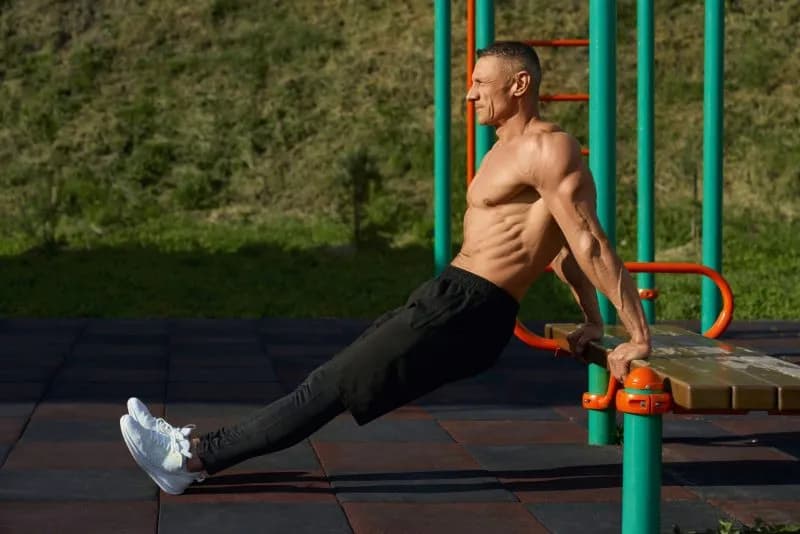
The following exercises are particularly effective because they build lean muscle mass in areas most prone to skin laxity — abdomen, arms, thighs, and chest. Many can be done at home without any equipment.
Squats
Squats target the glutes, thighs, and core simultaneously. Building muscle in the lower body helps fill out skin around the hips and thighs. Aim for 3 sets of 15–20 reps. Add a resistance band around the knees for extra activation. For progressive lower body and core work, strength training for core is a useful companion resource.
Push-Ups
Push-ups strengthen the chest, shoulders, and triceps — areas where loose skin is common after significant upper body fat loss. Start with incline push-ups if the full version feels too demanding. 3 sets of 10–15 reps, four days per week, will produce noticeable change in muscle tone within 6–8 weeks.
Lunges
Walking lunges or stationary lunges engage the entire leg and build shape through the thighs and glutes. They also challenge balance, which activates the core. 3 sets of 12 reps per leg is a solid starting point.
Plank
The plank is one of the most effective exercises for rebuilding core muscle under loose abdominal skin. It engages the transverse abdominis — the deep core muscle that acts like a natural corset. Hold for 20–60 seconds, 3 rounds. Progress weekly by adding 5–10 seconds.
Dumbbell Rows
Single-arm dumbbell rows build the upper back and improve posture — which itself makes the body appear more toned and upright. 3 sets of 12 reps per arm, twice a week, is enough to see steady progress. Even household items can substitute for dumbbells initially.
Glute Bridges
Glute bridges isolate the posterior chain and are excellent for supporting the lower abdominal and glute region. Lie on your back, feet flat, and drive your hips toward the ceiling. 3 sets of 20 reps, and add a resistance band for progressive challenge.
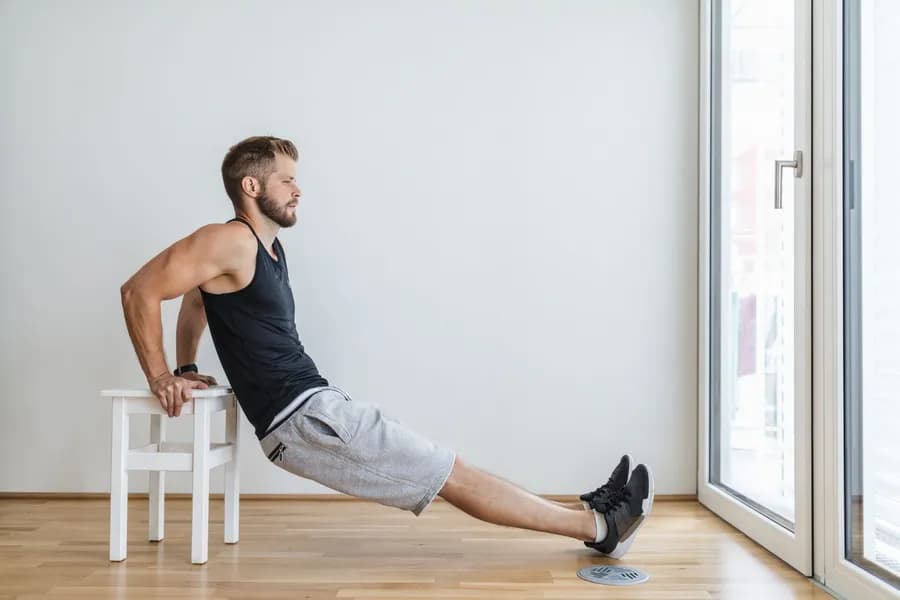
Tricep Dips
The back of the arms is one of the most common areas of concern after weight loss. Tricep dips using a sturdy chair build the long head of the tricep effectively. 3 sets of 12–15 reps, three times per week, consistently over 8 weeks, will noticeably improve arm tone.
Common Mistakes to Avoid
- Poor Form Rushing through exercises with poor technique reduces muscle activation and increases injury risk. Slow, controlled movement — especially on the lowering phase — recruits more muscle fibers and places more constructive stress on the tissue you’re trying to develop. If form is uncertain, guided sessions make a real difference.
- Skipping Warm-Up A five-minute warm-up — light cardio, dynamic stretches, or joint rotations — prepares your connective tissue for the work ahead. Skipping it is one of the most common reasons people pick up minor strains that interrupt their training consistency.
- Overtraining More is not always better. Your skin, muscles, and connective tissue repair during rest. Training the same muscle group every day without adequate recovery slows progress. A sensible schedule is 4–5 sessions per week with at least one full rest day built in.
- Inconsistency The single biggest obstacle to skin tightening after weight loss is inconsistency. Two intense weeks followed by two weeks off resets adaptation almost entirely. A moderate routine practiced five days a week for twelve weeks will outperform any sporadic burst of effort. Habit, not heroism, drives results.
Who Should Try This Approach?
- Beginners You don’t need prior fitness experience to begin. Bodyweight movements like squats and planks have a low barrier to entry and can be done safely at home. Starting slowly and progressing weekly is the most sustainable path. Beginner strength training for women is a useful starting point if you’re new to structured exercise.
- Women There’s a persistent myth that strength training will make women bulky. It won’t. Women have significantly lower testosterone levels than men, which means muscle building happens slowly and leanly. What strength training does do is build the muscle tone that makes loose skin appear firmer — precisely what most women are looking for after weight loss.
- Older Adults Adults over 50 may find that skin elasticity recovers more slowly, but improvement is still very much achievable. Resistance training supports bone density and muscle retention, both of which matter as we age. Start with lighter loads and bodyweight movements, and consult your doctor if you have existing joint or cardiovascular conditions before beginning a new exercise program.
- Working Professionals Time is often the barrier, not motivation. Twenty to thirty minutes of focused strength work — done consistently five days a week — is enough to see measurable change in muscle tone and skin appearance over 8–12 weeks. Morning sessions before work tend to have the highest adherence rate for busy schedules.
Build Strength with a Routine That Actually Works
Building lean muscle and supporting skin recovery isn’t about doing random workouts — it’s about consistency, guidance, and following a structured plan. With the right support, you can train effectively from home and see real progress over time.
What You Get with Habuild’s Strong Everyday Program:
- Daily live guided strength sessions with expert trainers
- Beginner to advanced progression — no experience needed
- No-equipment and home-friendly workouts
- Form correction and expert guidance in every session
- Community support to help you stay consistent week after week
If you’re ready to build functional muscle alongside your skin tightening goals, explore strength training for muscle strength — Habuild’s daily program is designed for exactly this.
Start Your Strength Training Journey
Related reads: Is Strength Training Good for Weight Loss? · Is Running Good for Weight Loss?
Skin firmness after weight loss improves gradually alongside consistent strength training, adequate protein, and daily hydration — none of which work as a quick fix, and all of which depend on showing up regularly rather than occasionally. A structured training program supports that gradual process by keeping your strength work consistent instead of sporadic. Strong Everyday offers that kind of guided, everyday strength training as a complementary part of the picture.
Frequently Asked Questions
Related Articles
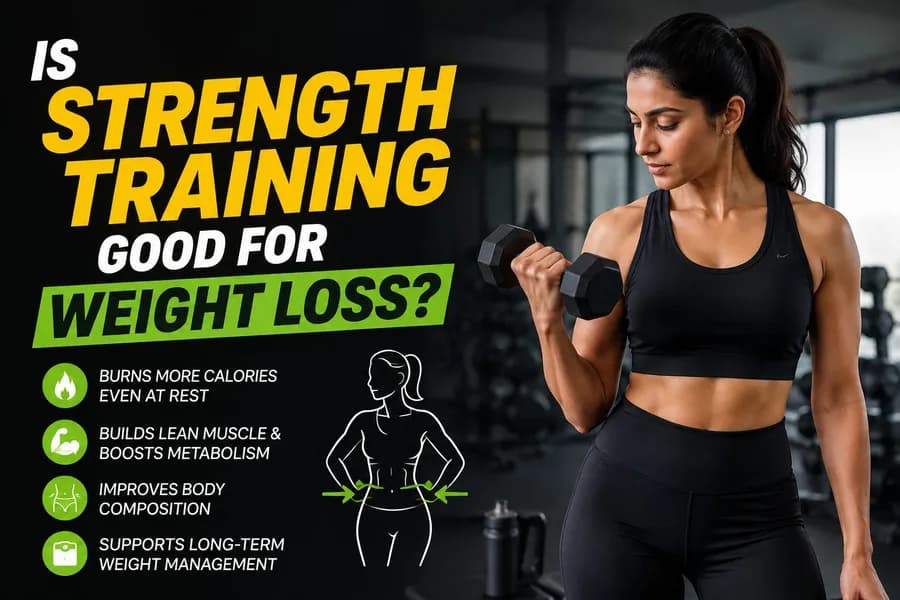
Is Strength Training Good for Weight Loss?
Strength training raises your resting metabolic rate over time, not just calories burned during the session — building lean muscle and triggering an afterburn effect. See why the evidence says yes.
No Equipment Strength Workout: Build Real Strength at Home
Discover the best no equipment strength workout routines to build muscle and improve fitness at home. Start your 14-day free trial trial with Habuild today.
Best Workout for Weight Loss at Home
Bodyweight strength exercises paired with cardio bursts, done consistently 4-5 days a week, need no gym, equipment, or commute. See the full workout.
How to Lose Fat While Gaining Muscle: A Complete Guide
Body recomposition is achievable with structured resistance training, adequate protein, and consistent effort — most beginners see visible changes within 8-12 weeks. See the complete guide.
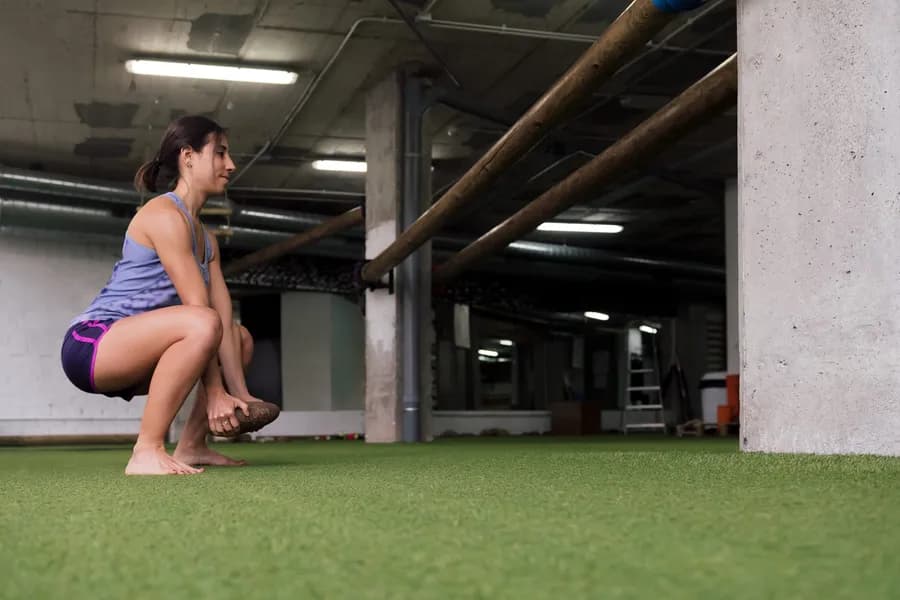
What Muscles Do Squats Work?
Squats recruit the quadriceps, glutes, hamstrings, hip flexors, core stabilisers, and calves simultaneously — the exact emphasis shifts with variation, stance, and depth. See the full muscular breakdown.