
Black Tea Benefits: Caffeine and Smart Timing
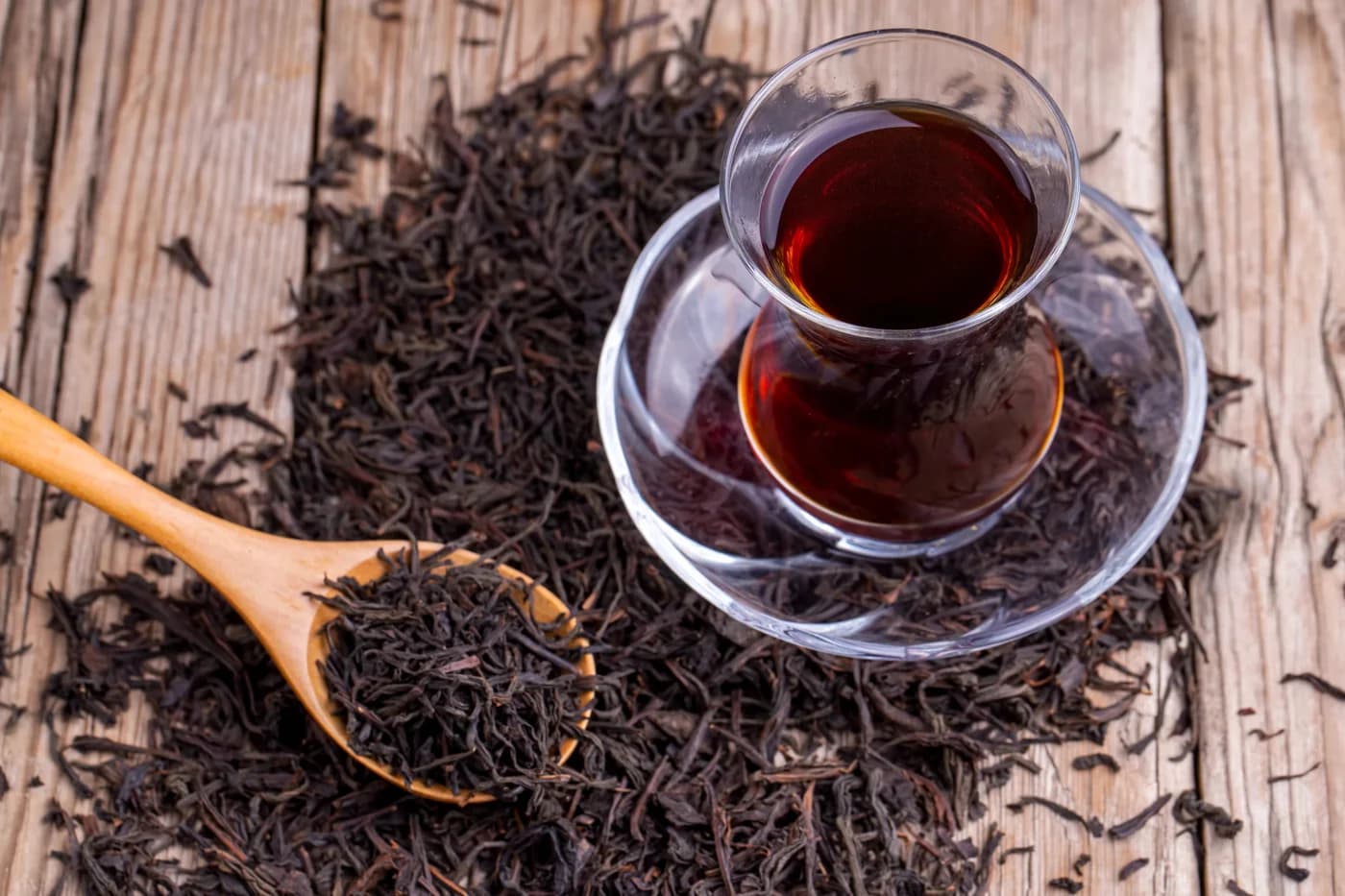
Black tea is made from fully oxidised tea leaves and naturally contains caffeine and polyphenols.
Key Takeaways
- Black tea contains caffeine, and the amount varies by brewing method and serving size.
- Unsweetened tea can contribute fluid without added sugar.
- Tea taken with meals may reduce absorption of iron from plant foods.
- Late or strong tea can worsen sleep, reflux, anxiety or palpitations in sensitive people.
Black tea is made from fully oxidised tea leaves and naturally contains caffeine and polyphenols. It can fit a balanced diet, especially when unsweetened, but it is not a detox drink or treatment. Understanding black tea benefits also means considering cup size, brewing strength, sleep, iron absorption and what is added to the drink.
What is actually in a cup
A plain brewed cup provides water, caffeine and plant compounds, including flavonoids, with very little energy. The exact profile changes with the leaves, amount used, water temperature and steeping time. Milk adds protein and other nutrients; sugar, jaggery, syrup or cream add energy that belongs in the nutritional picture.
Research often studies tea-drinking patterns rather than prescribing one perfect cup. Associations with heart or metabolic health do not prove that tea alone caused the outcome. Black tea benefits are best described as modest and supportive within a healthy pattern, not as protection from disease.
Caffeine, alertness and sleep
Caffeine can temporarily improve alertness, which is one reason people enjoy tea in the morning or during work. A stronger or larger brew generally supplies more. Sensitivity varies, and the same cup may feel comfortable to one person but cause jitteriness, headache or a racing heartbeat in another.
If sleep is poor, move the last caffeinated cup earlier and reduce the strength for two weeks. Caffeine can remain active for hours, so an evening habit may matter even when falling asleep seems easy. Decaffeinated tea contains much less caffeine but may not be completely caffeine-free.
Tea, sugar and hydration
Unsweetened black tea contributes fluid. It does not dehydrate most regular tea drinkers when consumed in ordinary amounts, although plain water remains the simplest main drink. During heat, illness or exercise, hydration needs may rise and tea should not be the only fluid available.
Sweetened chai, iced tea and cafe drinks can contain several teaspoons of sugar. Gradually reduce sweetness, use a smaller serving or keep sweet tea as an occasional choice. Spices can add flavour but do not cancel sugar. Comparing the finished drink is more useful than judging the tea leaves alone, because added sugar can easily outweigh the modest advantages of an unsweetened cup.
Why meal timing matters for iron
Tea polyphenols can reduce the absorption of non-haem iron when consumed with a meal. This is most relevant for people with iron deficiency or higher needs and for vegetarian diets that rely largely on plant iron. It does not mean black tea must be removed from every diet.
Leaving a gap between tea and iron-rich meals or prescribed iron tablets can be helpful; follow individual advice. Combine lentils, beans, millets or leafy vegetables with vitamin C-rich foods. If tiredness, breathlessness or unusual cravings persist, seek testing rather than trying to solve possible anaemia with food rules alone.
Stomach, teeth and temperature
Strong tea may worsen reflux, nausea or an unsettled stomach, particularly when taken on an empty stomach. Tannins can feel astringent. Use a lighter brew, take it with a suitable snack or choose another drink if symptoms repeat. Very hot tea should be allowed to cool before drinking.
Tea can stain teeth over time, but aggressive brushing immediately after an acidic drink is not the solution. Regular oral hygiene and dental advice matter more. Bottled lemon tea can be both acidic and sweet, so the word tea does not make it tooth-friendly.
Who should limit or review intake
Pregnant people should count caffeine from tea alongside coffee, chocolate, cola and energy drinks and follow current professional guidance. Children and teenagers are more sensitive to caffeine. People with palpitations, anxiety, migraine, reflux or bladder symptoms may also benefit from a lower intake.
Some medicines interact with caffeine or have timing instructions around tea. Ask a pharmacist when unsure. Concentrated tea extracts are different from a brewed cup and have a different safety profile. Black tea benefits cannot be assumed for capsules, fat-burners or products that combine multiple stimulants.
A cup that fits real life
Choose black tea for taste and routine, not because you feel forced to drink it for health. Decide how much sugar and milk suits the rest of the day, and notice whether the timing supports sleep. A smaller, enjoyable cup may be more useful than repeatedly sipping a large flask.
Black tea benefits remain compatible with flexibility: some days tea, other days water or a caffeine-free infusion. Stop or reduce it if it causes symptoms. The best pattern is the one that supports hydration and enjoyment without displacing meals, iron treatment or restful sleep.
Adjusting strength, sweetness and storage
Tea habits are often social, so changes do not need to feel punitive. Keep the cup and alter the strength, sweetness or timing. When serving a group, offer sugar separately and make water available.
Fewer leaves, a shorter steep or a smaller cup can lower caffeine exposure, although the exact reduction is hard to predict at home. Reusing leaves may make a weaker cup but does not guarantee a measured dose. If precise caffeine limits are medically important, use product information and professional advice instead of judging only by colour. Store tea dry and airtight; discard leaves with mould, moisture or an unusual smell.
Editorial sources
Frequently Asked Questions
Related Articles
Green Tea Benefits: Evidence, Timing and Safety
Learn what green tea can realistically do, how to brew it, caffeine timing, weight-loss evidence and supplement safety notes.

Chamomile Tea: Possible Benefits, Timing and Safety
Chamomile is a caffeine-free herbal infusion made from dried flowers, often used as part of a bedtime routine. Learn timing and safety.

Blue Tea Benefits: Butterfly Pea Flower, Uses and Safety
Blue tea is an infusion of butterfly pea flowers, and its blue anthocyanin pigments change colour when lemon is added. Learn its safety.