
Boost Drink: What It Adds to a Glass of Milk
Boost can add flavour and fortified nutrients to milk. Learn how to assess the prepared drink without treating it as a meal replacement or growth requirement.
Key Takeaways
- Most of the protein comes from the milk, not the powder.
- Prepared Boost adds sugar to the glass.
- Fortification does not make it essential.
- Stamina claims are marketing, not nutrition.
Boost is a familiar chocolate-malt drink powder in India. It can make milk more appealing and adds carbohydrate plus some fortified vitamins and minerals. It is optional, though: a child does not need this particular product to grow, play sport or eat well.
The useful question is what the prepared drink contributes to the day. Milk, powder, serving size and any extra sugar all count. That gives a clearer picture than treating a health-drink name as proof of a complete meal or guaranteed athletic improvement.
Which Boost are we talking about?
This guide concerns the malt-based Boost powder sold in India. Products called BOOST in other countries may be ready-to-drink nutritional supplements with different ingredients and purposes.
Even within a brand, versions can change. A powder stirred into milk is not identical to a ready-to-sip pack. Comparing them as though the name guarantees the same nutrition can be misleading.
The Indian manufacturer describes ingredients including malted barley, sugar, wheat and milk components, with added vitamins and minerals. That makes it a cereal-and-dairy-containing drink mix rather than an unsweetened cocoa powder or a plain protein supplement.
Separate the milk from the powder
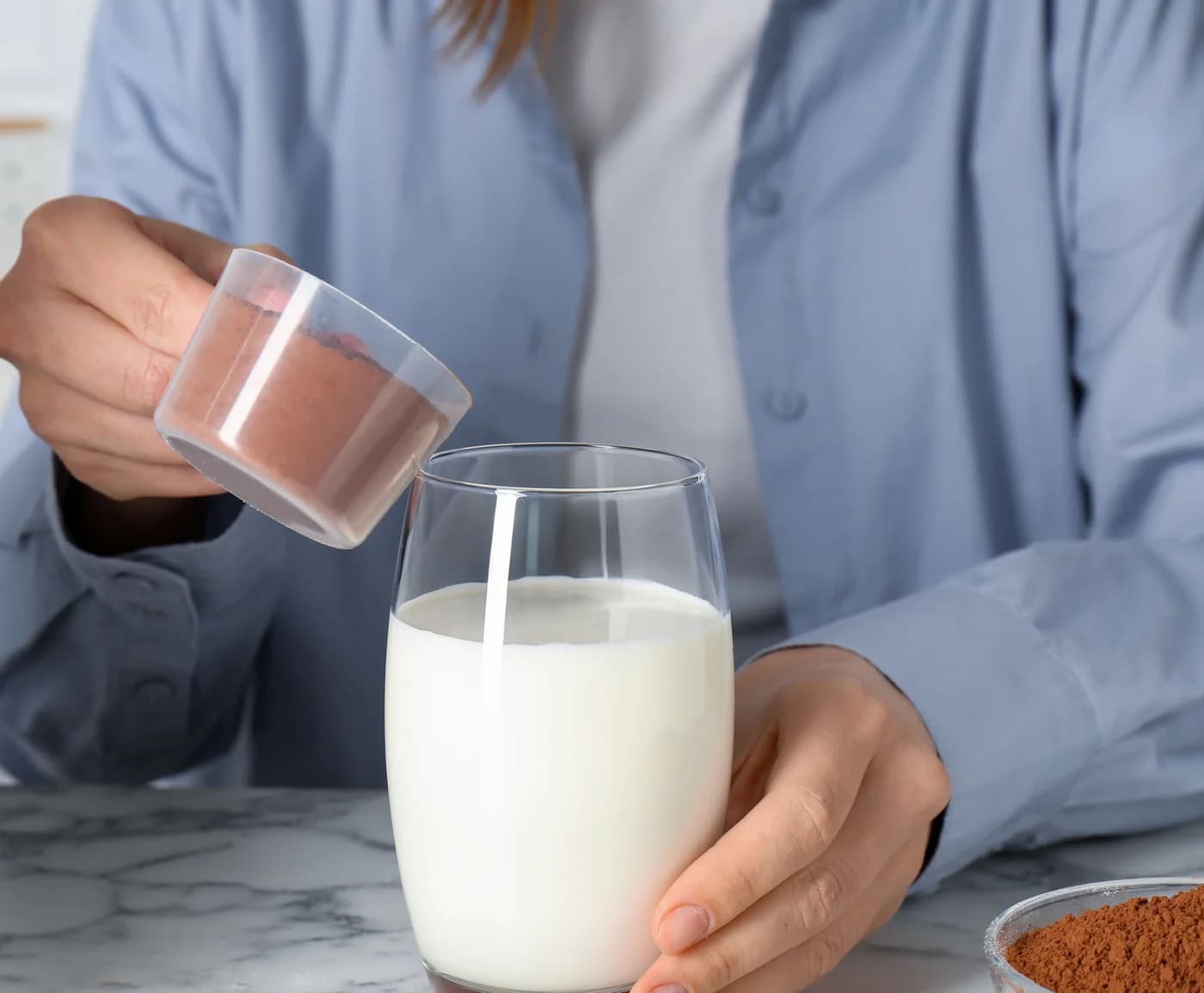
A glass made with milk gets some of its protein, calcium and other nutrients from that milk. The powder contributes additional ingredients. Water preparation would give a different nutritional result.
For perspective, the manufacturer’s online information lists about 1.5 g protein for a 20 g powder serving. That is not the same as the protein in the full milk-based drink, and formulations may change.
This distinction matters when a drink is described as high in protein. If your aim is more protein, assess the complete serving and the rest of the food. A flavouring powder does not automatically turn a small glass into a substantial protein meal.
What fortification can do
Fortified foods have nutrients added to them. They can contribute to intake, especially when diets are limited, but they are not the only way to obtain those nutrients.
A drink can provide iron or B vitamins without proving that everyone needs it daily. It also cannot diagnose or reliably treat an individual deficiency simply because that nutrient appears in the formula.
If a child has persistent fatigue, poor growth or a very restricted diet, the cause needs attention. Adding more powder can increase energy intake while leaving a feeding difficulty or health problem unresolved.
Sugar is part of the prepared drink
Malt ingredients provide carbohydrate, and the product also contains added sweetening ingredients. Extra sugar stirred in at home increases the total further. A drink can taste mildly malty and still contribute a meaningful amount of carbohydrate.
There is no need to add sugar automatically because a preparation instruction allows it. Taste first. If the household is used to a very sweet drink, reducing added sweetness gradually may be easier than changing it overnight.
A sugar number described specifically as sucrose is not necessarily the same as the amount of all sugars in a malt-based food. For everyday decisions, consider the full drink rather than relying on one isolated number from an advertisement.
Does it triple stamina?
A slogan about stamina should not be interpreted as a promise that every child will run for three times as long. Such claims depend on a particular study, comparison and performance measure.
The manufacturer links its claim to a comparison of improvement in a shuttle-running test in children consuming a fortified drink versus a non-fortified comparison. That is narrower than a guarantee of a fixed result for every age, sport or individual.
Training, enough food, sleep and enjoyment of activity remain important. A child who does not drink Boost can still develop fitness and sporting skills. The product is not a requirement for participation or success.
Keep it alongside food rather than replacing it
A sweetened milk drink can be filling enough to reduce appetite for the next meal. That may matter if a large serving arrives just before breakfast or dinner.
If the drink is part of the routine, choose a portion and time that leave room for ordinary food. A breakfast with a useful staple, a protein food and fruit provides a different range of textures and nutrients from a drink alone.
Examples could include a besan chilla with curd, a paneer sandwich or oats with milk and fruit. You do not need a perfect menu, but the drink should not quietly become the only food a child reliably eats without that pattern being addressed.
Allergies and gluten matter
The Indian product information includes barley, wheat and milk ingredients. It is therefore unsuitable for a strict gluten-free diet for coeliac disease and may be unsuitable for people with relevant food allergies.
Milk allergy and lactose intolerance are different. Preparing the powder in water does not remove milk proteins already present in the powder, and using lactose-free milk does not make a milk-containing product safe for milk allergy.
A child with an established allergy needs a suitable alternative rather than a small test serving. For families without these restrictions, the ingredient issue is usually much less complicated.
What if plain milk is not liked?
Flavour can be a practical preference. If a modest amount helps someone enjoy milk, it can have a place without turning into a compulsory health ritual.
You can also offer other foods that provide similar nutrients: curd, paneer or a suitable fortified alternative may be more appealing. Children do not all need to drink the same beverage to have a varied diet.
Avoid pressure based on growth, height or sporting identity. A food is easier to manage when it is offered as a choice within the household’s routine rather than a test of whether a child is taking health seriously.
Choose its role honestly
Buy Boost if you enjoy the flavour and the cost fits your budget. Use a measured portion, keep additional sugar modest and leave space for meals. There is no need to buy it solely because a healthy child does not eat every food enthusiastically.
The most useful description is a fortified malt drink mix. That tells you what it can contribute while keeping larger promises about growth, energy and performance in proportion.
Editorial sources
Frequently Asked Questions
Related Articles

Coffee Calories: Black Coffee, Milk, Sugar and Cafe Drinks
Black coffee has almost no calories; milk, sugar, syrups and cup size add them. Learn to estimate the calories in your own cup.

Badam Milk Benefits: Two Different Drinks, Two Nutrition Stories
Traditional badam milk and plant almond drinks are different foods. Choose the version that fits the nourishment, flavour and convenience you need.
Fortified Milk: What Added Vitamins A and D Mean for You
Fortified milk adds selected vitamins to a familiar food. Understand what changes, what stays the same and how to use it in everyday meals.
Which Milk Is Good for Health? Choose for Your Needs
A practical milk comparison based on nutrition, tolerance, age and household needs.