
Badam Milk Benefits: Two Different Drinks, Two Nutrition Stories
Traditional badam milk and plant almond drinks are different foods. Choose the version that fits the nourishment, flavour and convenience you need.
Key Takeaways
- Indian badam milk and almond milk are different drinks.
- Plant almond milk is usually more diluted.
- Sweetness and portion change the benefits.
- Store homemade badam milk as perishable food.
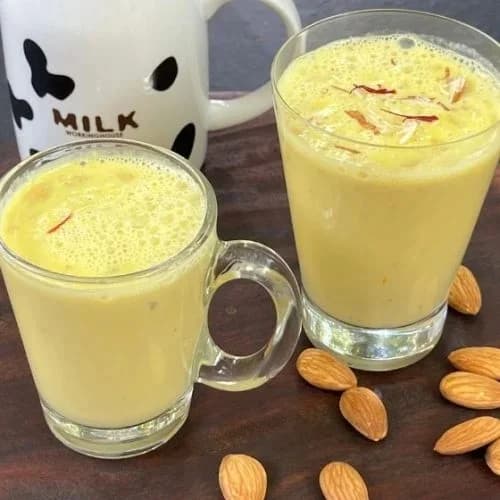
Badam milk can mean warm dairy milk with almonds, cardamom and perhaps saffron. It can also mean a plant drink made by blending almonds with water and straining them. Both can be enjoyable, but they provide very different amounts of protein, energy and added nutrients. Before judging the benefits, establish which drink is in the glass. The name alone cannot tell you whether it replaces milk or serves as a richer snack.
Indian badam milk starts with milk
In the familiar homemade version, dairy milk supplies much of the protein and calcium. Ground or chopped almonds add flavour, texture and a small amount of fat, protein and other nutrients.
The contribution depends on how many almonds are used and whether they remain in the drink. A few almond slivers do not turn a glass into a very high-protein meal, although the milk itself can be a useful protein source.
Sugar, badam syrup, condensed milk or a sweetened premix can change the recipe substantially. That is not a reason to avoid an enjoyable drink, but a sweet dessert-style glass has a different role from plain milk with a few almonds.
Plant-based almond milk is usually more diluted
Commercial almond drinks generally combine water with a relatively small amount of almond, plus other ingredients depending on the product. Many contain much less protein than dairy milk.
Some are fortified with calcium, vitamin D or vitamin B12. That can make them useful contributors, but fortification is not automatic, and added vitamins do not create protein that is not present.
A homemade strained almond drink may be pleasant but should not be assumed nutritionally equivalent to fortified milk. Some of the almond solids remain in the pulp, and its nutrient content depends on the recipe. A creamy colour is not proof of a comparable protein or calcium amount.
Choose according to the job you need it to do
If you want a nourishing dairy snack and tolerate milk, a modest glass of lightly sweetened or unsweetened badam milk can fit. It can be served with another food when appetite or the meal gap calls for more substance.
If you avoid dairy and mainly want something for tea or a smoothie, almond drink may suit the flavour. If you need a substantial replacement for milk's protein, an unsweetened fortified soya drink may be closer, although products vary.
You do not need to declare one drink best for everyone. The useful choice depends on preference, tolerance and what else supplies protein and other nutrients in your day.
A simple homemade dairy version
Blend or finely grind a few almonds and stir them into a comfortable serving of milk. Warm gently with cardamom if you enjoy it, and use little or no added sugar according to taste.
Soaking almonds can make blending easier, but it is not an essential detox step. In hot weather, soak under refrigeration rather than leaving wet nuts warm for a long period.
There is no requirement to peel every almond for nutrition. Choose the texture you prefer, use clean equipment and make a quantity you can drink or refrigerate promptly. A small practical recipe is more useful than a complicated preparation that turns an ordinary snack into a daily task.
What about memory, strength and sleep?
Almonds and milk provide nutrients needed for normal body function, but a glass is not a proven memory booster or a treatment for weakness. Fatigue can have several causes, and the drink cannot identify them.
A warm evening drink can be comforting if it suits you. It does not guarantee deeper sleep, and a large glass close to bed may be uncomfortable for someone with reflux or frequent night-time urination.
Choose a time that fits appetite and routine rather than a special health window. If the benefit is simply that you enjoy a calm break, that is enough. You do not need to attach a promise about intelligence or recovery to keep the habit.
Sweetness and portion change the result
A small homemade glass and a large café badam shake can differ greatly in sugar and energy. Ice cream, condensed milk and syrup are part of the finished drink, not invisible additions.
If you have diabetes, the carbohydrate in milk and any sweeteners needs to fit your meal plan. A no-added-sugar plant drink can still have a different nutrient profile from dairy badam milk.
For weight management, consider whether the drink replaces a snack or is an extra added to an already substantial meal. Almonds do not make all recipes slimming. Equally, an unsweetened version with little energy is not automatically enough food when you are hungry.
Allergy and lactose are different issues
Almond allergy makes almond-containing drinks unsuitable. A dairy-based badam milk also contains milk proteins, so it is not a dairy-free option.
Lactose intolerance involves difficulty digesting milk sugar rather than an almond reaction. Lactose-free dairy milk may work for some people, while a plant drink avoids lactose but brings its own nutrition and allergen considerations.
For children, do not replace infant formula or breast milk with a homemade almond drink. Young children need an age-appropriate plan, and a low-protein plant drink should not become the main milk replacement without considering overall nutrition. This is a different decision from adding a splash to an adult's tea.
Store homemade drinks like perishable food
Refrigerate homemade badam milk promptly in a clean, covered container. Make smaller amounts if you cannot keep a large batch cold, and avoid leaving a sweet milk drink at room temperature throughout the day.
For packaged products, follow the storage directions after opening. A shelf-stable unopened carton does not remain shelf-stable once it has been opened.
Let the drink earn its place through taste and a clear purpose. Traditional badam milk can be a pleasant milk-based snack; almond drink can be a useful dairy-free ingredient. Understanding the difference gives you a better choice than relying on the same health claims for both.
Editorial sources
Frequently Asked Questions
Related Articles
Almond Oil: Food Uses, Skin Care and Safety
Edible sweet almond oil and cosmetic almond oil are not interchangeable. Learn how to cook with it, use it on skin and store it safely.

Protein in Almonds: Amount, Portions and Nutrition Facts
Almonds contribute protein, but they are mainly an energy-dense mix of unsaturated fat, fibre and micronutrients, so portion size matters.

Almonds: Nutrition, Portions and Smart Everyday Uses
Almonds provide protein, fibre, unsaturated fat, vitamin E and magnesium in a compact serving. Learn smart portions and everyday uses.
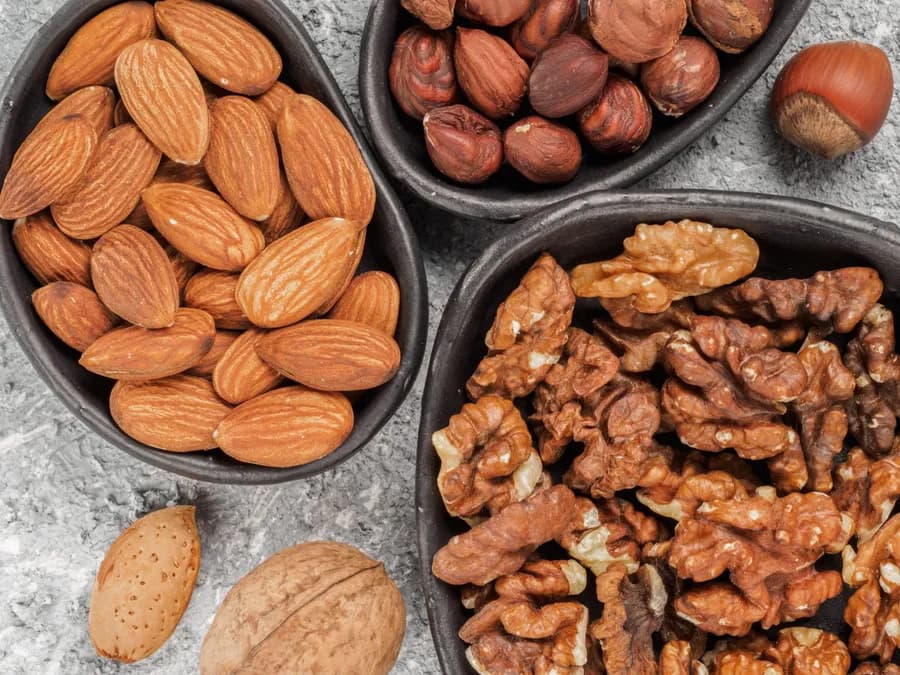
Healthy fats for brain: soaked almonds and walnuts habit
Healthy fats for brain health can come from simple vegetarian foods like almonds, walnuts, seeds and oils. Learn a simple soaked nuts habit.