
Brain Health Foods: What Actually Supports Memory and Focus
Foods rich in omega-3 fats, antioxidants, and specific B vitamins support the structures your brain relies on daily — though they work best as a.
Key Takeaways
- DHA makes up a large share of the brain’s structural fat and must come from diet or conversion.
- Walnuts, flaxseeds, and chia seeds provide ALA, which the body partially converts to DHA.
- Algae-based DHA supplements deliver it directly, without relying on that slow conversion.
- Berries and leafy greens’ antioxidants help protect neurons from oxidative stress.
- Cognitive benefits build over months and years of a consistent pattern, not one meal.
Brain health foods come up constantly in conversations about memory, focus, and long-term cognitive function, and the good news is that some of the evidence here is genuinely solid. Foods rich in omega-3 fats, antioxidants, and specific B vitamins support the structures and processes your brain relies on daily, though they work best as part of a consistent pattern rather than a one-time fix before an exam or a big meeting.
Brain Health Foods: The Quick List
- Walnuts, flaxseeds, and chia seeds: plant sources of ALA, an omega-3 fat your body converts into DHA, which makes up a large share of your brain’s structural fat
- Algae-based omega-3 (DHA) supplements: a direct vegetarian source of the same DHA that fish get from marine algae in the first place, useful if you want to raise DHA intake beyond what conversion from ALA provides
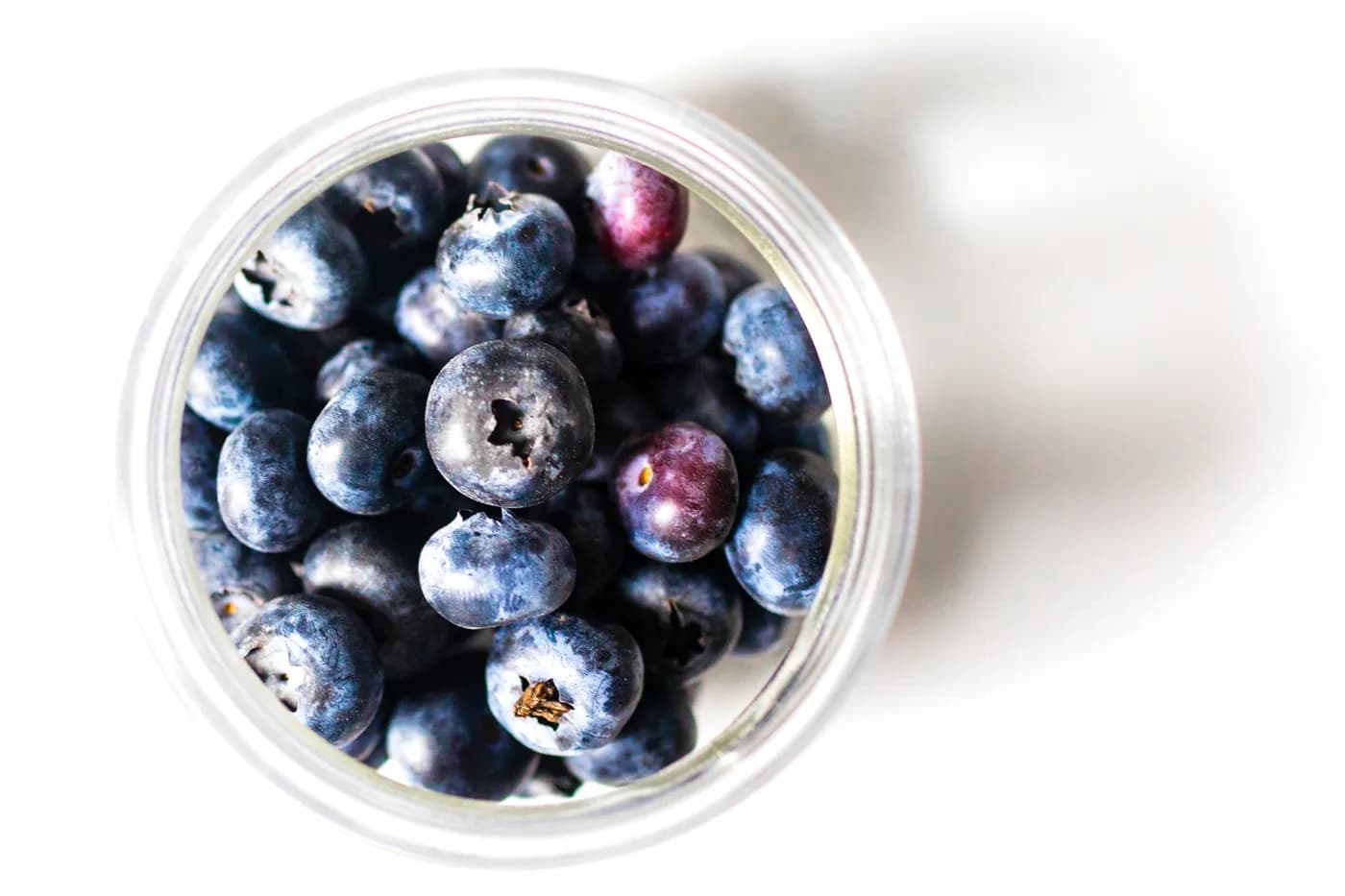
- Berries (blueberries, blackberries): high in antioxidant compounds linked to slower age-related cognitive decline
- Leafy greens (spinach, methi, amaranth): provide folate, vitamin K, and lutein, all tied to cognitive performance
- Eggs: a practical source of choline, a nutrient involved in memory-related brain chemistry
- Turmeric and dark chocolate: contain curcumin and flavanols respectively, both studied for anti-inflammatory effects in the brain
How Brain Health Foods Actually Work
The brain is roughly 60% fat, and a meaningful portion of that is DHA, an omega-3 fatty acid your body can’t produce efficiently on its own — it has to come from diet or from converting a related plant fat called ALA. This is why walnuts, flaxseeds, and chia seeds are consistently mentioned in nutrition research on cognition: they’re rich in ALA, which your body partially converts to DHA. That conversion is slow and limited, though, which is where algae-based DHA supplements come in — algae are the original source of the DHA that fish accumulate by eating them, so an algae-based supplement delivers the same DHA more directly, without needing your body to convert anything. Beyond fats, the brain is also highly vulnerable to oxidative stress because it uses so much oxygen relative to its size, which is where antioxidant-rich foods like berries and leafy greens come in. Compounds like flavonoids and lutein appear to help protect neurons and support communication between brain cells over time — one more reason antioxidant-rich brain health foods keep showing up alongside omega-3 sources in this research.
None of this means a single meal changes how sharp you feel that afternoon. The cognitive benefits linked to these nutrients are mostly about patterns sustained over months and years — diets built around vegetables, nuts, whole grains, and healthy fats show associations with slower cognitive decline in long-term studies. Short-term focus and alertness have more to do with blood sugar stability, hydration, and sleep than any single “brain food,” which is exactly why brain health foods work best as a long-term pattern rather than a same-day fix.
Antioxidant support isn’t limited to berries and greens either — vitamin E is another nutrient worth knowing about for its own antioxidant role, and magnesium rich foods round out the same nervous-system support that keeps focus and mood steady day to day.
Photo: tacowitte, CC BY 2.0, via Openverse
Brain Health Foods to Emphasize (and a Few to Limit)
Building a brain-healthy diet doesn’t require dramatic changes. Aim for a small handful of walnuts or a spoon of flaxseed or chia seeds most days, a serving of berries or other colorful fruit, and a generous portion of leafy greens with meals. If you want to raise your DHA intake more directly, an algae-based omega-3 supplement is a straightforward way to do that. Whole grains and legumes also help by keeping blood sugar steadier, which matters for sustained focus through the day, and are worth folding into the same rotation of brain health foods you eat regularly.
On the other side, regularly high intake of refined sugar and heavily processed foods has been linked in observational studies to poorer memory performance and increased inflammation. This doesn’t mean occasional sweets are harmful — it’s the pattern over time that seems to matter, not any single dessert, and the same is true on the positive side with brain health foods.
Brain Health Foods and the Rest of Your Day
Diet is one input among several. Sleep is when the brain clears out metabolic waste and consolidates memories, and no amount of walnuts or berries compensates for chronic sleep deprivation. Physical activity increases blood flow to the brain and has its own independent research base for supporting memory and mood. Chronic stress, on the other hand, is genuinely damaging to cognitive function over time, which is part of why nutrition, movement, and stress management tend to be discussed together rather than in isolation, and why brain health foods are only one piece of the bigger picture.
Frequently Asked Questions
Related Articles
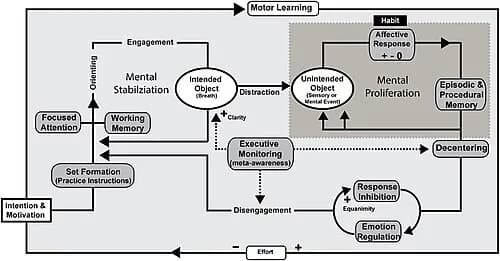
Meditation for Brain Health: What Actually Changes
Meditation for brain health has been studied more than almost any other aspect of the practice — here's what the research actually shows, not the exaggerated claims. Explore the real changes, and try Habuild's guided meditation sessions.
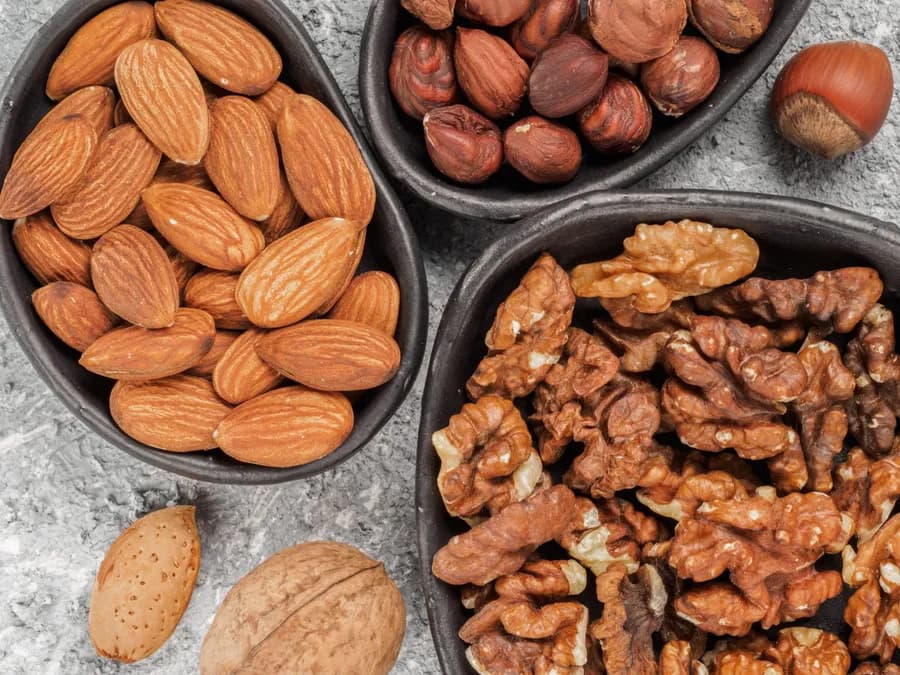
Healthy fats for brain: soaked almonds and walnuts habit
Healthy fats for brain health can come from simple vegetarian foods like almonds, walnuts, seeds and oils. Learn a simple soaked nuts habit.

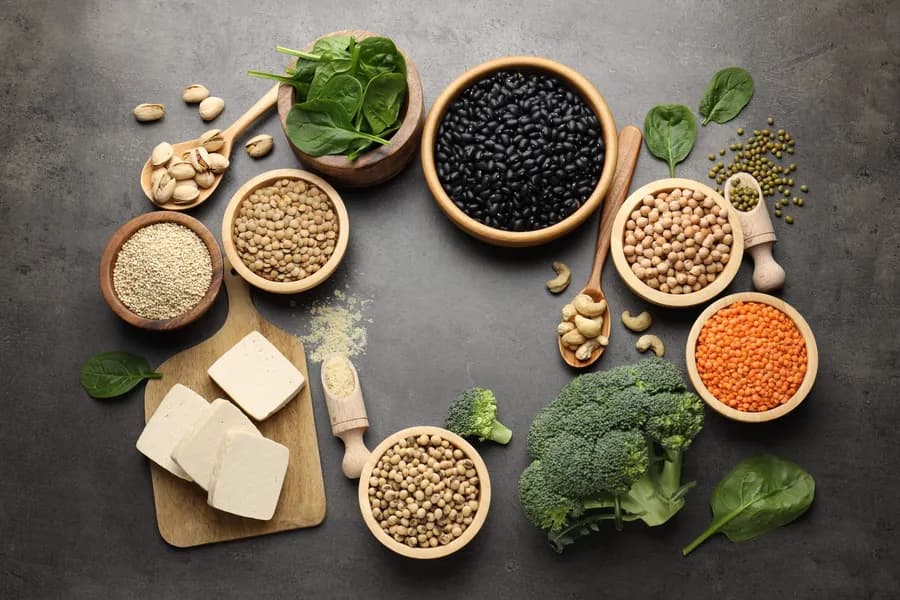
Protein rich vegetarian foods: the perfect plate habit
Learn how protein rich vegetarian foods support energy, strength and fullness. Use the perfect plate habit with greens, grains and protein.