
Buttermilk Calories: What’s Really in Your Glass?
Buttermilk calories depend on what is in your glass. Here is how plain chaas compares with shop-bought versions, and how to watch the sugar and salt.
Key Takeaways
- Plain homemade chaas is generally low in calories.
- Sweetened or salted versions can add sugar and sodium.
- Chaas can replace sugary drinks but does not burn fat.
- People with milk allergy should avoid it; lactose intolerance varies.
A cool glass of chaas is a summer staple in Indian homes, and it often turns up on “healthy drink” lists. People also ask how many calories it has, and the honest answer is that it depends. The word “buttermilk” means different things in different kitchens. Here’s how to make sense of it.
What do we mean by buttermilk?
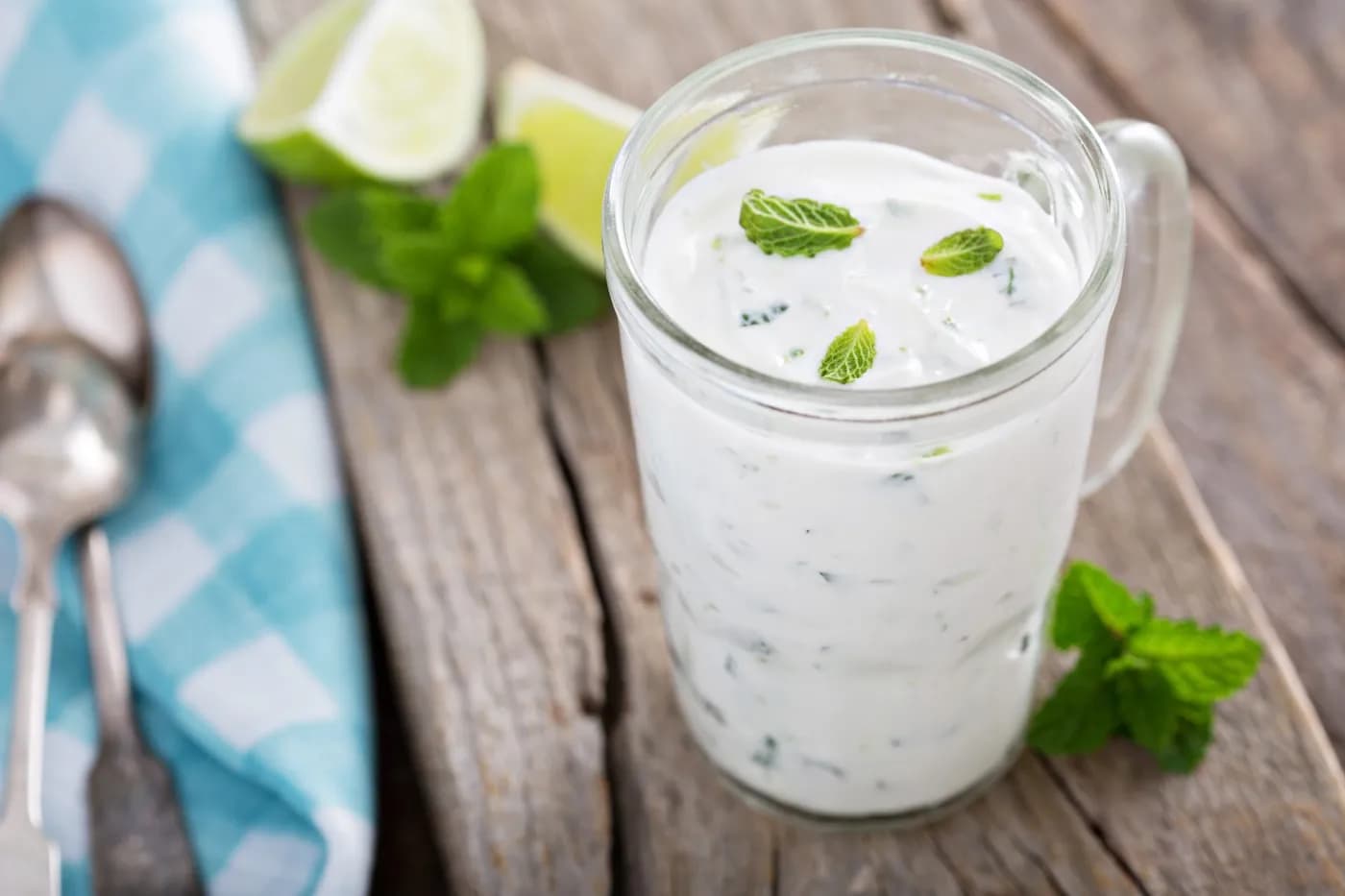
In most Indian homes, buttermilk is chaas, which is curd whisked with water and flavoured with a few spices. In shops, you may also find cultured buttermilk, a thicker dairy product made differently. These aren’t the same drink, so they don’t have the same nutrition.
That’s why you won’t find one reliable calorie number online. Before you quote any figure, check which kind of buttermilk it’s about.
Why the numbers keep changing
A few simple things decide the calories in your glass:
- How much curd you use, and whether it’s made from full-fat or toned milk
- How much water you add (a thin chaas has less than a thick one)
- Whether there’s sugar, flavouring or fried toppings
- The size of your glass
For packaged products, the nutrition label is the best guide. For homemade chaas, a thinner glass made with plain curd will have fewer calories than a thick, sweetened one. There’s no need to count every spoon. Just know that the recipe and the serving size matter more than the name.
What plain chaas gives you
Plain, unsweetened chaas is a refreshing drink that provides fluid, some protein and some calcium. It can be a light companion to lunch, especially in hot weather. If the product still contains live cultures, it may offer a few friendly bacteria too, though that depends on how it was made and stored.
It’s a nice addition to a meal, but it’s not magic. It isn’t a detox drink, and it doesn’t improve everyone’s digestion. Your liver and kidneys already do the body’s clean-up work, as we explain in our guide on how to detox your body naturally.
Watch the sugar
Sweet lassi-style drinks and flavoured packaged buttermilk can contain a good amount of added sugar. A glass that tastes like a milkshake may have far more calories than a plain chaas. Check the label for sugar, and notice how sweet your homemade glass is.
Added sugar adds up quickly through drinks, as we explain in our guide on how to control sugar naturally. If you like a little sweetness, start by using less and see how your taste adjusts.
And watch the salt
Chaas is often made with salt, black salt and sometimes a spoonful of masala. A little is fine, but a very salty glass, or several in a day, can add up. If you have high blood pressure, ask your doctor how much salt suits you. Our guide on how to control high BP has more on everyday habits.
You can build flavour in other ways. Roasted jeera, fresh mint, coriander leaves, a pinch of hing or a little ginger make chaas tasty without much salt.
Chaas and weight loss
Chaas can replace a higher-calorie drink, like a sweet soft drink or a sugary shake, and that swap may help over time. But it doesn’t melt fat by itself. No single drink does. Your meals, movement, sleep and overall portions count for much more.
If you’re trying to eat more mindfully, having a glass of plain chaas with lunch can be a pleasant habit. Just don’t expect it to do the work on its own.
Lactose and milk allergy
Fermentation can lower lactose in dairy, so some people who struggle with milk find chaas easier to handle. But it doesn’t make the drink lactose-free. Some people tolerate a small glass, while others still get bloating or loose stools. If that happens, try less or look for a lactose-free alternative, and ask your doctor or dietitian if you’re unsure.
A milk allergy is a different matter. It’s a reaction to milk proteins, and chaas still contains them. Anyone with a milk allergy should avoid it.
Making a good glass
Here’s a simple way to make plain chaas at home:
- Whisk a few spoons of fresh plain curd with water until smooth.
- Add a pinch of roasted jeera powder and a little salt.
- Stir in chopped mint or coriander if you like.
- Serve it cold, with lunch or after a meal.
Adjust the thickness to your taste. A thinner glass makes a lighter drink, while a thicker one feels richer and more filling.
Storing it safely
Dairy drinks spoil quickly in warm weather. Keep chaas in the fridge, and use a clean spoon and container each time. Don’t leave it out for hours, especially in summer. If it smells unusually sour or off, or looks different from normal, throw it away. For packaged buttermilk, follow the storage and “use by” instructions on the pack.
Fit it into your day
Chaas works well with a simple Indian meal like dal, rice, sabzi and salad. It can also be a light afternoon drink when you want something cool without a lot of sugar. Pair it with roasted chana or a handful of nuts if you want a snack that keeps you full.
Good habits are about the whole day, not one glass. A regular online yoga class and a walk after meals support digestion and energy alongside what you eat. For more everyday reading, browse our Habitology health guides.
A simple habit to try
Swap one sweet or packaged drink a day for a glass of plain chaas flavoured with jeera and mint, and keep it up for two weeks. Notice how you feel, how easy it is and whether it fits your routine. Keep it only if it’s comfortable and useful for you.
Editorial sources
Frequently Asked Questions
Related Articles
Masala chaas recipe: simple spiced buttermilk
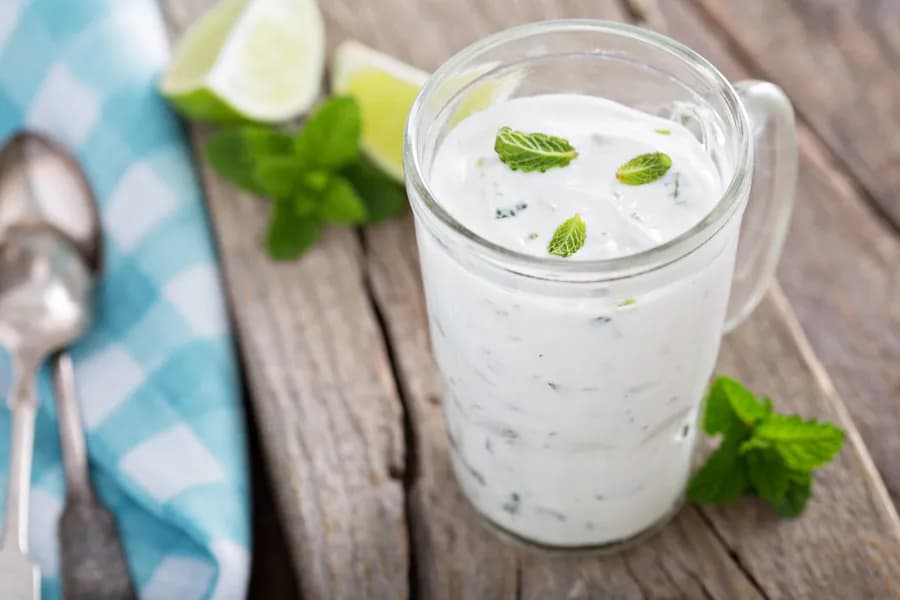
Masala chaas is curd whisked with water and simple spices — a light, refreshing drink to serve alongside lunch. See the full recipe.
Curd Benefits: Why This Everyday Staple Matters
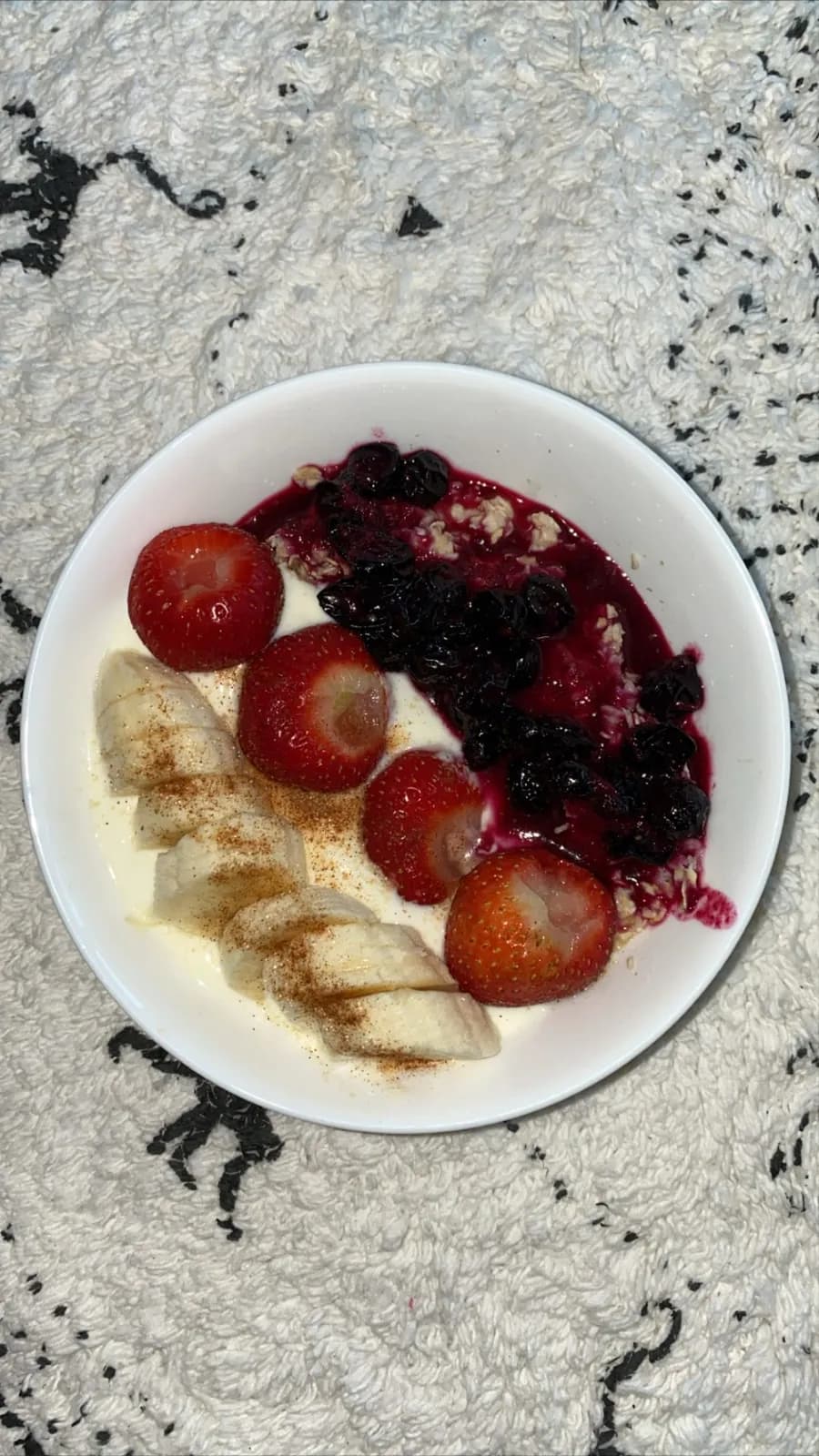
Curd (dahi) is one of the most consistently eaten foods in Indian households — a solid daily source of protein, calcium, and live probiotic cultures in.

Probiotic Foods: Real Indian Sources and How Much You Need
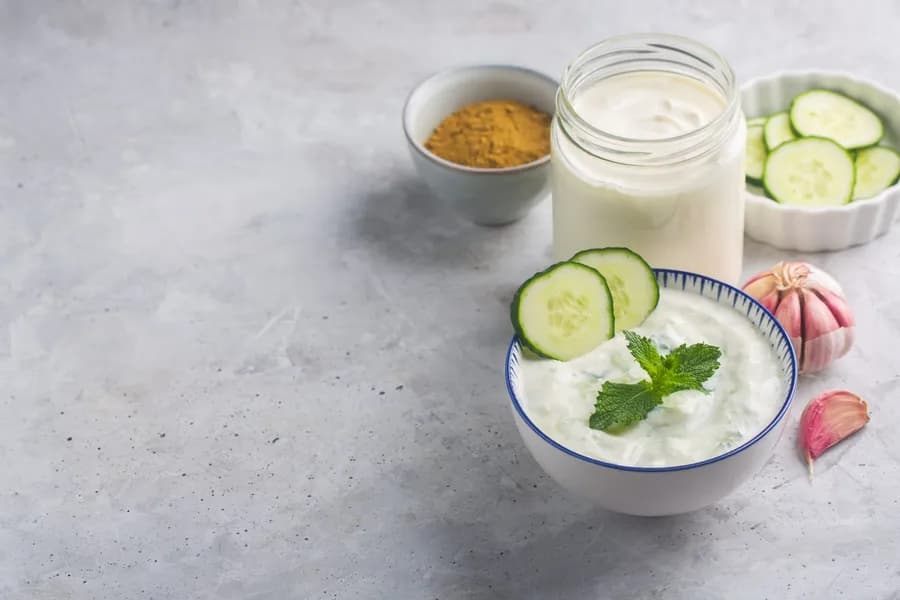
Probiotic foods contain live, beneficial bacteria that support your gut when eaten regularly — dahi, buttermilk, and fermented pickles are everyday.
Prebiotics and Probiotics: Differences, Food Sources and Safety
Prebiotics are substrates selectively used by microorganisms, while probiotics are live microorganisms that provide a demonstrated health benefit…
