
Cabbage Benefits: Nutrition, Types and Easy Indian Recipes
Green, red, savoy and napa cabbage all add fibre, vitamin C and vitamin K to meals. Here is how cooking changes them and which cautions matter.
Key Takeaways
- Green, red, savoy and napa cabbage all supply fibre, vitamin C and vitamin K for few calories.
- Quick steaming or stir-frying keeps more vitamin C than long boiling with the water discarded.
- Normal cooked portions are generally fine for thyroid health when iodine intake is adequate.
- On warfarin, keep vitamin K intake from greens like cabbage steady rather than cutting it out.
Green, red, savoy and napa cabbage differ in colour, texture and flavour, but all belong to the cruciferous vegetable family. This guide to cabbage benefits looks at what the vegetable actually contributes to a meal, how cooking changes it and which thyroid or medicine cautions genuinely matter.
More than one kind of cabbage
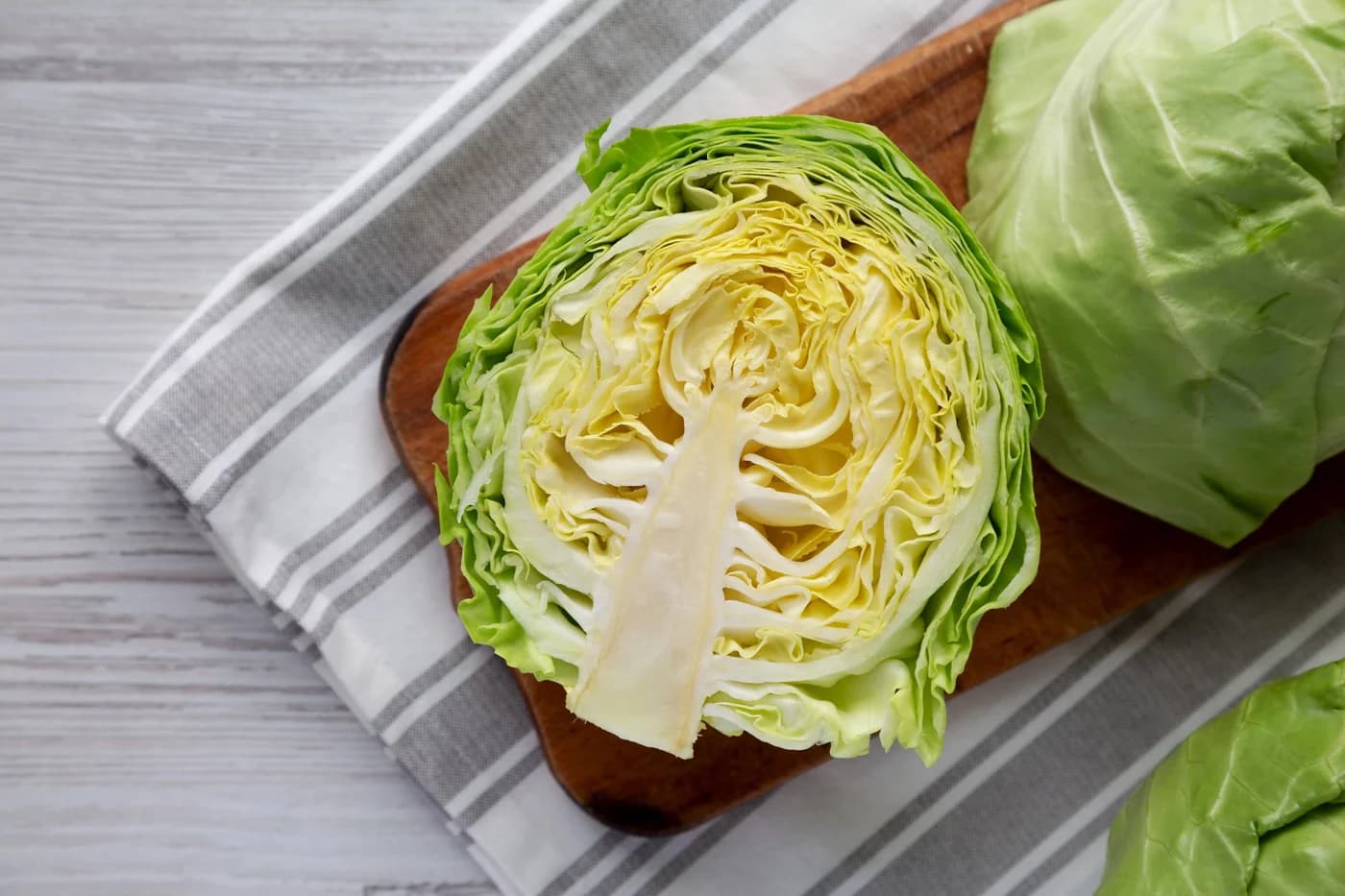
Green cabbage has firm, tightly packed leaves, while red cabbage gets its deeper colour from anthocyanin pigments. Savoy has crinkled, softer leaves and napa is milder and more tender. All four are low in energy and provide fibre, vitamin C, vitamin K and a range of plant compounds.
What are the main cabbage benefits?
Most cabbage benefits come from a few nutrients working as part of the whole diet. Fibre supports bowel regularity and helps make meals more filling. Vitamin C contributes to normal immune function and collagen formation, while vitamin K supports normal blood clotting and bone health.
Cabbage does not detoxify the liver or prevent cancer by itself. It is one useful, affordable vegetable among many, and its value comes from eating it regularly alongside other vegetables, pulses and whole grains.
Raw versus cooked cabbage
Raw cabbage stays crunchy and retains more heat-sensitive vitamin C, which suits slaw and chaat. It is not nutritionally mandatory, however, and people who experience gas often find cooked cabbage easier to tolerate.
Heat softens cell walls and reduces volume, so a larger portion becomes easier to eat. Some vitamin C is lost with prolonged boiling, especially when the cooking water is discarded. Quick stir-frying, steaming or adding cabbage late to soup and using the liquid retains more. The best method is still one you enjoy enough to repeat.
Indian meal ideas
Use cabbage in sabzi with peas, thoran, paratha filling, mixed-vegetable soup, stir-fry or a fresh slaw. Add dal, tofu, paneer, curd or another protein source to make the meal more complete.
Deep-fried preparations taste different and absorb more oil, so they should not be nutritionally equated with steamed or stir-fried cabbage.
Gas and digestion
Cabbage can cause gas in some people. Begin with a modest cooked portion and increase gradually if it suits you, rather than avoiding the vegetable altogether.
Does cabbage affect the thyroid?
Cruciferous vegetables contain compounds that can affect iodine use in laboratory settings, which has led to exaggerated warnings. Ordinary portions of cooked cabbage are generally compatible with thyroid health and treatment when iodine intake is adequate. Extremely large raw intakes are a different scenario.
Do not stop eating vegetables because of a thyroid diagnosis. Take levothyroxine exactly as directed and discuss timing or persistent abnormal test results with your clinician; cabbage is rarely the central problem.
Vitamin K and anticoagulant medicines
Cabbage, especially the greener varieties, contributes vitamin K. People taking warfarin are often told to avoid greens, but sudden swings in intake are usually more troublesome than a stable pattern. Keep portions reasonably consistent, follow INR monitoring advice and speak to your clinician rather than suddenly removing green vegetables.
Other anticoagulants work differently, so do not apply warfarin instructions automatically. Medicine-specific counselling is safer than an internet list.
Buying, storing and food safety
Choose compact heads with crisp leaves and no slimy patches. A whole head often costs less than pre-cut packs and lasts well when kept cold and dry. Remove damaged outer leaves, wash before cutting, cut only what is needed and store the rest covered in the refrigerator.
Keep raw cabbage away from uncooked foods that may contaminate it, and refrigerate cut cabbage or prepared slaw promptly. A cut surface that becomes dry can be trimmed, but sliminess, mould or a sour, rotten smell signals spoilage.
Fermented cabbage is a different food from fresh cabbage: it can be high in sodium and must be produced under safe conditions.
Getting the most from cabbage
To reduce waste, use outer leaves in soup, the crisp centre in slaw and remaining shreds in paratha filling. Cook cabbage to the texture you enjoy and rotate it with other vegetables; cabbage benefits a varied diet best when it is a regular choice rather than a compulsory daily food.
Editorial sources
Frequently Asked Questions
Related Articles
Green Vegetables Benefits: Nutrition and Everyday Uses
Green vegetables include leafy greens, beans, peas, broccoli, okra and many local varieties.

Cauliflower Benefits: Nutrition, Portions and Safety
Cauliflower is a cruciferous vegetable providing fibre, vitamin C, folate and other plant compounds.

Fibre rich foods: what fibre does for your gut
Fibre does more than aid digestion — it feeds gut bacteria and helps keep blood sugar steady. See what fibre-rich foods actually do for your gut.