
Cauliflower Benefits: Nutrition, Portions and Safety
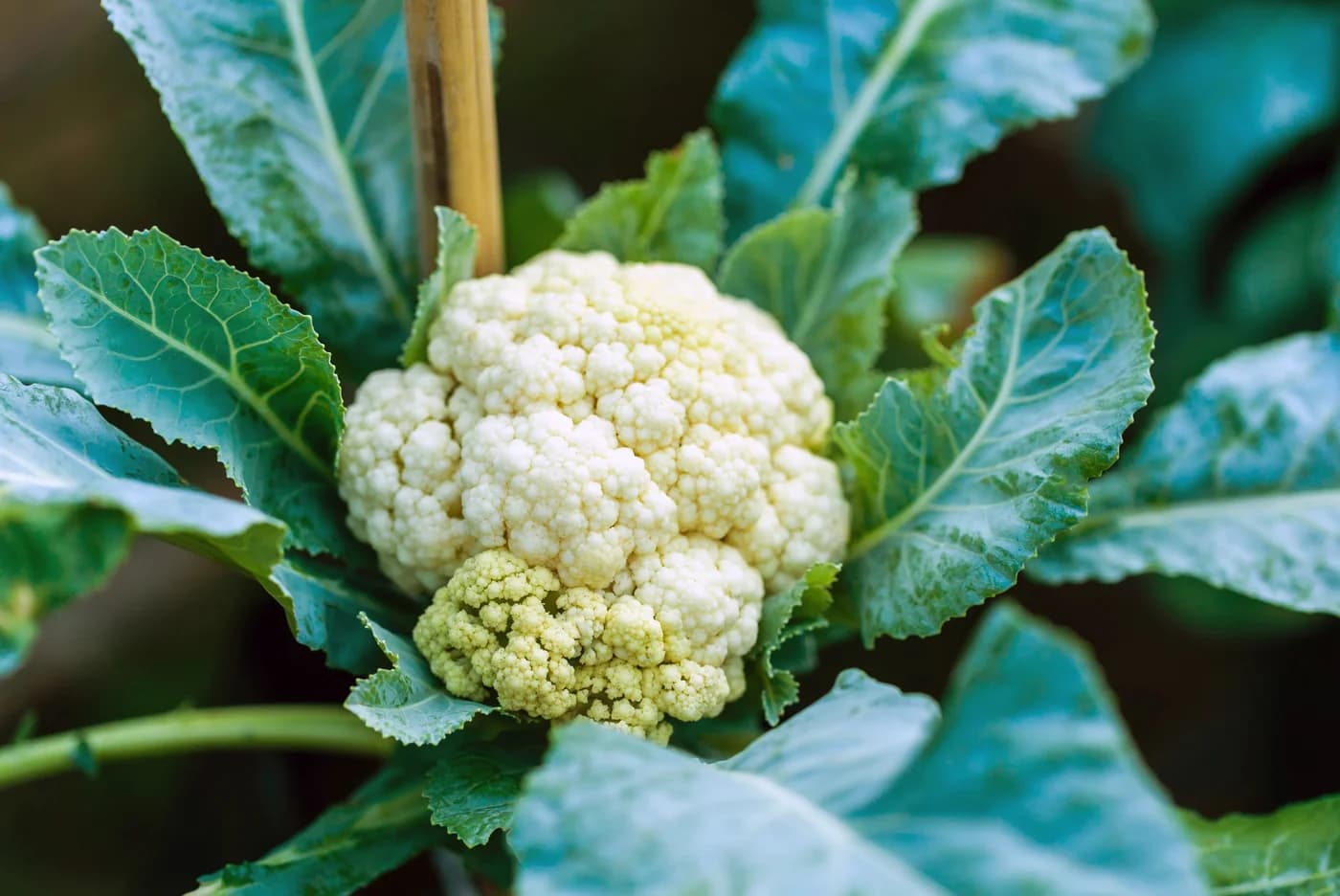
Cauliflower is a cruciferous vegetable providing fibre, vitamin C, folate and other plant compounds.
Key Takeaways
- Cauliflower is a cruciferous vegetable that supplies fibre, vitamin C, folate and plant compounds.
- Roast, steam or add it to sabzi; cauliflower rice differs from grain but is not always better.
- Gas is common in some people, especially after a sudden large raw portion.
- A normal cooked serving is not usually a thyroid concern when the diet provides enough iodine.
Cauliflower is a cruciferous vegetable providing fibre, vitamin C, folate and other plant compounds. White, purple and green varieties can all contribute to vegetable diversity. This guide looks at cauliflower benefits, portions and safety with practical context and without exaggerated promises.
Why cauliflower works in many everyday dishes
It can replace some refined ingredients or add meal volume, but cauliflower rice and pizza bases are not automatically nutritionally equivalent to the foods they imitate. In Indian kitchens, gobhi is already a winter staple in aloo gobhi, gobhi paratha, mixed vegetable sabzi and pickles, so the simplest approach is often to use familiar recipes with a sensible amount of oil.
Nutrition matters more than "low-carb" marketing
Cauliflower benefits include adding fibre, vitamin C and vegetable variety without contributing much energy. Purple, green and white varieties are all valid choices. Its glucosinolates and other plant compounds are interesting to researchers, but eating cauliflower has not been shown to cure cancer or "detox" the body. The strongest case is simply that vegetables support a balanced dietary pattern.
Cauliflower rice, mash and pizza bases can be useful, but they are not nutritionally identical to rice, potatoes or a conventional base. A packaged cauliflower product may contain starch, cheese, oil and salt. Read the full label and judge the complete meal rather than assuming the vegetable in the name makes it healthier.
Easy preparations beyond plain boiling
- Roast florets with spices.
- Add to mixed sabzi or soup.
- Use mashed cauliflower alongside, not necessarily instead of, grains.
- Cook lightly if raw cauliflower causes bloating.
Roast florets with cumin and pepper, add them to mixed sabzi, stir them into soup, or cook a light cauliflower and pea dish. Brief steaming keeps a little bite, while longer cooking produces a softer texture. If raw cauliflower causes gas, a smaller cooked portion may be easier to tolerate. There is no need to eat it raw to get its value.
Buying and storing a fresh head
Choose firm, compact florets without widespread brown patches, slime or a strong unpleasant smell. Leaves around the head should look reasonably fresh. Store it dry in the refrigerator and wash shortly before use. Frozen cauliflower is also practical and can reduce waste; sauces and seasoning in ready-made packs change the nutrition.
Small insects and larvae can hide between florets. Cutting the head into florets and soaking them briefly in warm salted water before rinsing is a common and sensible household step.
Possible drawbacks and warning signs
Cruciferous vegetables can cause gas. People taking warfarin should keep vitamin K intake reasonably consistent, and those on kidney-specific diets may need tailored portions.
Gas and bloating usually relate to fibre and fermentable carbohydrates rather than an allergy, so increase the amount gradually. People taking warfarin should keep vitamin-K-containing vegetables reasonably consistent instead of suddenly removing them. Anyone on a kidney-specific diet should follow their individual potassium and portion advice.
Does cauliflower affect the thyroid?
Cruciferous vegetables contain compounds that can influence iodine use in certain circumstances, but normal cooked food portions are not usually a problem for people with adequate iodine intake. Eating very large raw quantities while iodine deficient is a different situation from including cauliflower in mixed meals.
A better way to think about substitutions
Replacing part of a refined ingredient with cauliflower may increase vegetable intake, but the substitution should still satisfy hunger and suit the meal. Someone who needs more energy may be better served by eating cauliflower alongside rice or roti rather than replacing the carbohydrate completely.
Likewise, a cauliflower crust covered with cheese and salty toppings is still a pizza-style meal. It can be enjoyable, but its nutrition depends on all ingredients and the portion. "Low carb" is not the same as balanced or appropriate for everyone.
Food safety in leftovers
Cool cooked cauliflower promptly and refrigerate it in a covered container. Reheat only the amount needed and discard food left warm for too long. A sulphur-like aroma can become stronger during cooking, but slime, mould or a clearly rotten smell means the vegetable should be discarded.
Making cauliflower appealing without hiding it
Texture is often the difference between cauliflower people enjoy and cauliflower they avoid. Dry the florets before roasting so they brown instead of steaming, or cook them briefly in a covered pan before finishing uncovered with spices. The tender leaves and stalk can also be chopped into soup or sabzi when fresh, reducing waste. A creamy sauce changes energy, saturated fat and sodium; this does not make the dish forbidden, only different from plain roasted florets.
For children or hesitant eaters, mix a small amount into a familiar dish rather than presenting an oversized portion. Frozen florets soften more quickly and work well in mash, soup and curry; avoid thawing and refreezing them. For meal planning, wash and cut one head for two recipes, keep the pieces dry and refrigerated, and use them within a few days.
A simple conclusion for the weekly menu
Cauliflower benefits are useful but not unique. Cabbage, broccoli, beans, gourds, carrots and leafy vegetables bring their own nutrients and textures. Rotating vegetables is more valuable than forcing one "superfood" every day. Cook it in the way your household enjoys and avoid boiling it until the texture becomes unpleasant.
If it causes discomfort, reduce the portion or change the cooking method. Persistent pain, vomiting, blood in the stool or unexplained weight loss needs assessment rather than another food restriction. Cauliflower earns its place through versatility and vegetable variety, not through exaggerated promises.
Editorial sources
Frequently Asked Questions
Related Articles
Asparagus Benefits: Nutrition, Portions and Safety
Asparagus is a green or white spear vegetable that provides fibre, folate, vitamin K and other micronutrients with relatively little energy.


Vegetarian protein: needs, myths and meal planning
Vegetarian meals can provide enough protein. Learn practical needs, simple Indian food sources, common myths and an easy meal-planning method.

High-Fibre Foods: Simple Indian Meal Ideas
Find high-fibre Indian foods, easy meal ideas, gradual intake tips and practical advice for constipation and daily health.