
Castor oil: uses, evidence and safety
Castor oil is used for constipation, hair and skin care. Learn which use has medical support, which claims are unproven and why oral use needs caution.
Key Takeaways
- Castor oil is a strong stimulant laxative for occasional constipation.
- It is not proven to regrow hair or detox the body.
- Skin use can cause irritation or allergy in some people.
- Do not swallow it during pregnancy without obstetric advice.
Castor oil is used for constipation, hair and skin care. Learn which use has medical support, which claims are unproven and why oral use needs caution.
What is castor oil?
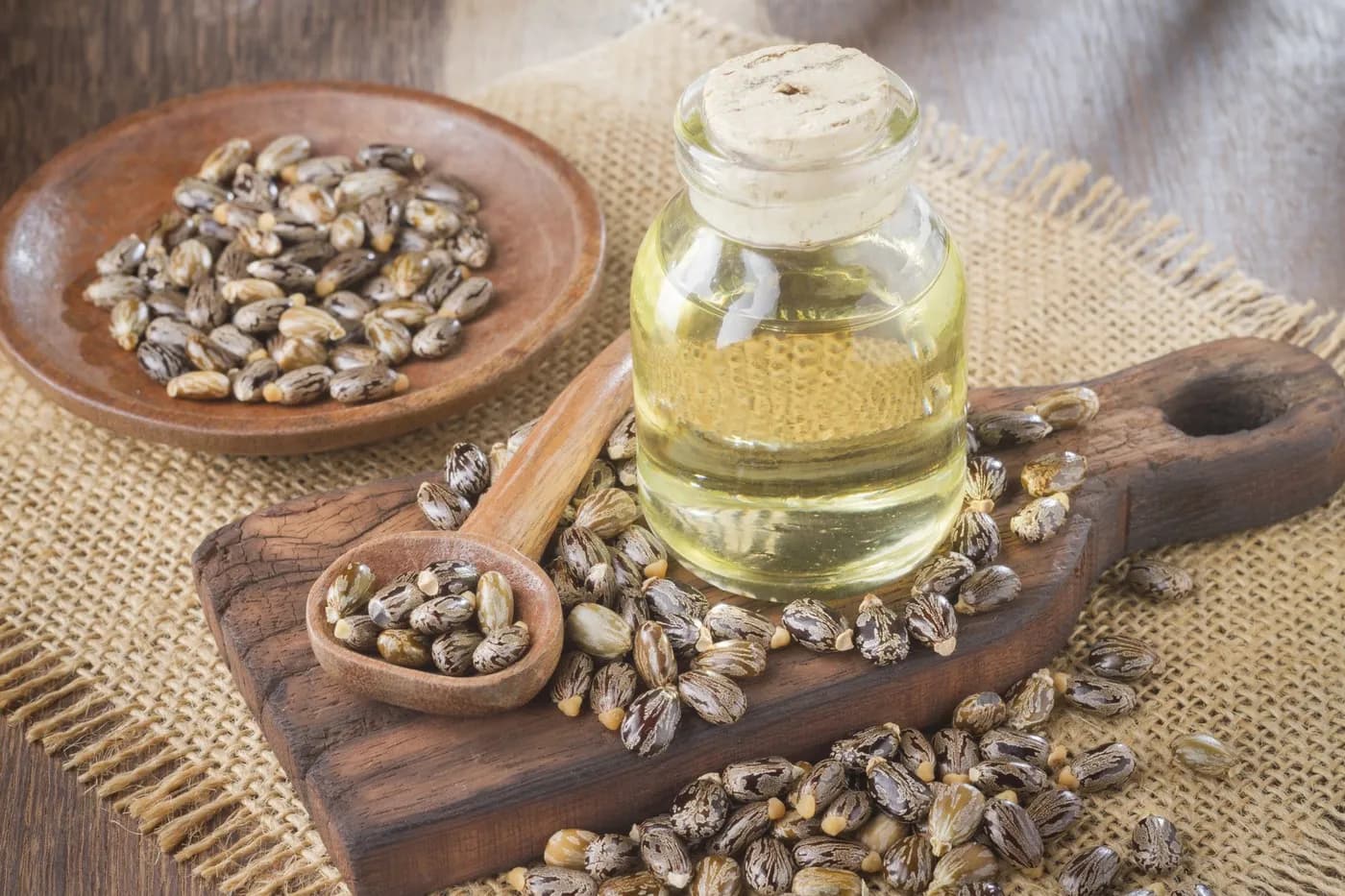
It is pressed from the seeds of the Ricinus communis plant. Most of its fat is ricinoleic acid, which gives the oil its unusual properties.
Properly processed castor oil does not contain the dangerous castor-bean protein ricin. Never chew or eat castor beans.
It is used in medicines, cosmetics and industry. A familiar traditional use does not mean every claim is supported by good research.
Castor oil for constipation
The best-established medical use is as a stimulant laxative for temporary relief of occasional constipation. DailyMed labels castor oil for this short-term purpose. (1)
After swallowing it, the small intestine releases ricinoleic acid. This stimulates the bowel and can cause a movement within hours. Cramping, nausea and urgent diarrhoea are common.
It is not a good daily habit. Regular constipation is better managed by finding the cause, eating enough fibre, drinking normally, moving regularly and using a safer medicine when advised.
Get medical help for constipation with severe pain, vomiting, blood in stool, fever, unexplained weight loss or a swollen abdomen. Do not take a laxative if a bowel blockage is possible.
Castor oil for hair
Applying castor oil can make hair look shinier because it coats the strands. It may also reduce friction for some hair types.
There is not strong clinical evidence that plain it regrows hair, treats baldness or makes eyebrows grow faster. A new dermatology review describes possible cosmetic benefits but notes that evidence for many therapeutic uses remains limited. (2)
Thick oil can be hard to wash out and may cause scalp build-up or irritation. Patch-test a small area and stop if you develop itching, redness or swelling.
Castor oil for skin
Castor oil works as an occlusive moisturiser, which means it reduces water loss from the skin. Some cosmetic products use it in small amounts.
Do not put pure it on acne, infected skin, burns or open wounds as a treatment. It can trigger allergic contact dermatitis; published case reports have linked castor-oil products to skin allergy. (3)
If you want to try it, patch-test on a small area for a few days. Use a clean product and avoid the eyes.

What about castor oil packs?
A castor oil pack is cloth soaked in oil and placed on the abdomen, sometimes with heat. It is promoted for liver detox, pain, fertility and digestion.
If you’re also curious about How to Make Hair Roots Strong or Diet and Nutrition, both are worth a read.
There is not good evidence that a pack removes toxins, shrinks cysts or treats liver disease. Heat may feel soothing, but it can also burn skin.
Do not use a heating pad over oil while sleeping. Avoid packs on broken skin, during unexplained abdominal pain or over a pregnant abdomen unless a clinician recommends them.
Castor oil and pregnancy
It can stimulate the bowel and may also affect the uterus. Studies of labour induction have mixed quality.
A Cochrane review found only three small trials and reported that all women who swallowed castor oil in the included trial data felt nauseous. The authors said the evidence should be interpreted cautiously. (4)
Do not use it to start labour at home. Timing, dose and maternal or baby risks need assessment by an obstetric team.
How to choose and store castor oil
- Choose a labelled product from a reliable seller.
- Check whether it is intended for oral or cosmetic use.
- Do not swallow cosmetic-grade oil.
- Check the seal, batch number and expiry date.
- Store it as the label directs.
- Discard oil that smells rancid or has changed unexpectedly.
“Cold pressed” describes processing; it does not prove that the oil grows hair or treats disease.
A simple hair or skin patch test
Place a small amount on clean skin inside the forearm. Leave it alone and watch for redness, itching, swelling or blisters over the next day.
A patch test cannot prevent every reaction, especially around the eyes or scalp. Use only a small amount the first time.
For evidence-based everyday care, read Habuild’s guide to healthy habits.
Who should be careful?
Do not swallow castor oil if you are pregnant, have severe abdominal pain, nausea, vomiting, possible blockage, inflammatory bowel flare, dehydration or kidney problems unless a clinician directs you.
Ask a pharmacist or doctor before oral use in children, older adults or anyone taking regular medicine. Strong diarrhoea can affect hydration and medicine absorption.
Seek urgent help for breathing trouble, facial swelling, fainting, severe abdominal pain or blood in stool.
Frequently Asked Questions
Related Articles

Ghee vs Refined Oil: Choose Healthy Fats Wisely
Understand ghee vs refined oil in simple words. Learn how to use fats in moderation, avoid reheated oils and choose better Indian cooking habits.
Baking Soda Uses: Health Claims and Safety
Understand safe baking soda uses, why home-remedy doses can be dangerous, sodium concerns and when to contact Poison Control.
