
Ceylon Cinnamon vs Cassia: How to Identify, Buy and Use It
How Ceylon cinnamon differs from cassia, why coumarin matters, how to identify and store it, and what to expect from blood-sugar claims.

Key Takeaways
- Ceylon (Cinnamomum verum) has much less coumarin than common cassia cinnamon.
- Ceylon sticks have thin, papery layers; cassia bark is thicker and harder.
- Powders look alike, so rely on the label, species name and a trusted brand.
- Research does not clearly show cinnamon helps diabetes or weight loss.
- Use it to flavour food; check concentrated supplements with a pharmacist.
Ceylon cinnamon is often called "true cinnamon". It has a lighter, more delicate flavour and usually contains far less coumarin than the common cassia cinnamon. Both can season food, but supplements sold for blood sugar or weight loss deserve caution. This guide focuses on telling Ceylon apart from cassia, buying and storing it, and using it sensibly. For cinnamon in general, see our main cinnamon guide.
How is Ceylon different from cassia?
Ceylon cinnamon comes from Cinnamomum verum, grown mainly in Sri Lanka. Cassia comes from related species grown in other parts of Asia and is the type most often sold. The two differ in chemical make-up, and the difference that matters most is coumarin.
Why coumarin matters
Coumarin is a natural compound that, in large regular amounts, may harm the liver in sensitive people. Cassia contains much more of it, while Ceylon contains only low levels. Germany's Federal Institute for Risk Assessment (BfR) sets a tolerable daily intake of 0.1 mg of coumarin per kg of body weight. Ordinary use in cooking rarely approaches this, but frequent large amounts of cassia, such as daily spoonfuls, could. Choosing Ceylon makes frequent culinary use more comfortable, but it does not make unlimited supplement doses safe.
How to identify and buy Ceylon cinnamon
- Check the label: look for "Ceylon cinnamon" or Cinnamomum verum, a named manufacturer and batch details. Packed spices sold in India should carry an FSSAI licence number.
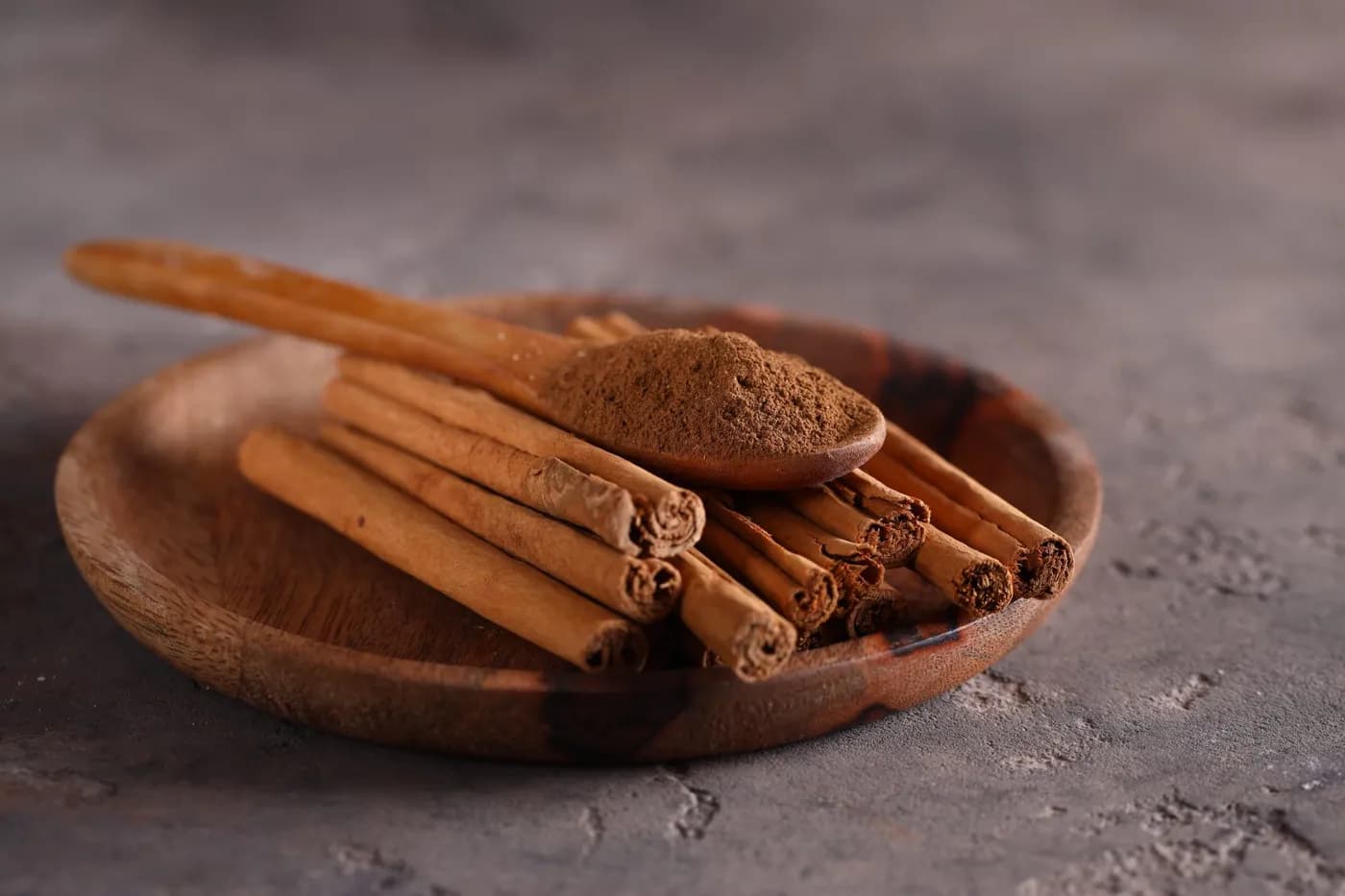
- Look at the sticks: Ceylon quills are made of many thin, papery layers rolled together and crumble easily. Cassia is usually a single thick, hard curl of bark.
- Be careful with powder: ground Ceylon and cassia look alike, so the label and a trusted supplier matter more than colour.
- Capsules: check the actual species, the amount per serving and other ingredients. The word "cinnamon" alone is not enough.
A more expensive product is not automatically better for health. Choose it for reliable sourcing and a flavour you enjoy.
Storing it well
Buy a small pack if you use the spice only occasionally. Store it in a dry, closed container away from steam above the stove, and use a clean, dry spoon. Discard any packet that becomes damp or mouldy. Adding extra old powder to make up for a weak aroma can leave food gritty or bitter.
Easy ways to use Ceylon cinnamon
A small sprinkle can flavour oats, plain curd or stewed apple. Add it near the end of cooking to keep its gentle aroma. For savoury dishes, a piece of bark can season rice, dal or vegetable stew; remove hard pieces before serving, especially to children.
Cinnamon tastes sweet but does not remove sugar from a recipe. If you want less sugar, reduce the sugar and use cinnamon for flavour. A cinnamon biscuit or sweetened cinnamon drink can still contain plenty of sugar. There is also no proven benefit to a spoonful before breakfast or cinnamon water at night.
Can it lower blood sugar?
Many studies have looked at cinnamon and blood sugar, but they used different species, extracts and doses, and the results are hard to interpret. Overall, research does not clearly show that cinnamon helps diabetes or weight loss. HbA1c reflects months of glucose control, so a few days of cinnamon cannot prove anything either way.
For blood sugar, judge the whole meal. Cinnamon over plain oats may taste pleasant, but adding curd, milk or another protein food makes a steadier breakfast. Our guide to low glycemic index foods has more ideas. Keep any prescribed diabetes plan in place.
Who needs extra care?
People with liver disease or a past supplement-related liver injury should avoid concentrated cinnamon products unless a doctor advises otherwise. If you take diabetes medicines, blood thinners or other regular medicines, ask a pharmacist before using a supplement. Cinnamon oil is highly concentrated and should not be swallowed or applied undiluted. Never attempt the viral "cinnamon challenge", as inhaling dry powder can harm the airways. In pregnancy, stick to normal food amounts. Facial swelling, wheezing or faintness after eating cinnamon needs urgent care.
Editorial sources
Frequently Asked Questions
Related Articles

Cinnamon: Benefits, Everyday Uses and Safety
Cinnamon is an aromatic bark used in sweet and savoury foods. Ceylon and cassia cinnamon differ in flavour and coumarin content.


Low Glycemic Index Foods: What They Are and Why They Matter for Blood Sugar
Low glycemic index foods raise blood sugar slowly and steadily instead of causing a sharp spike. See what glycemic index actually measures, and everyday.
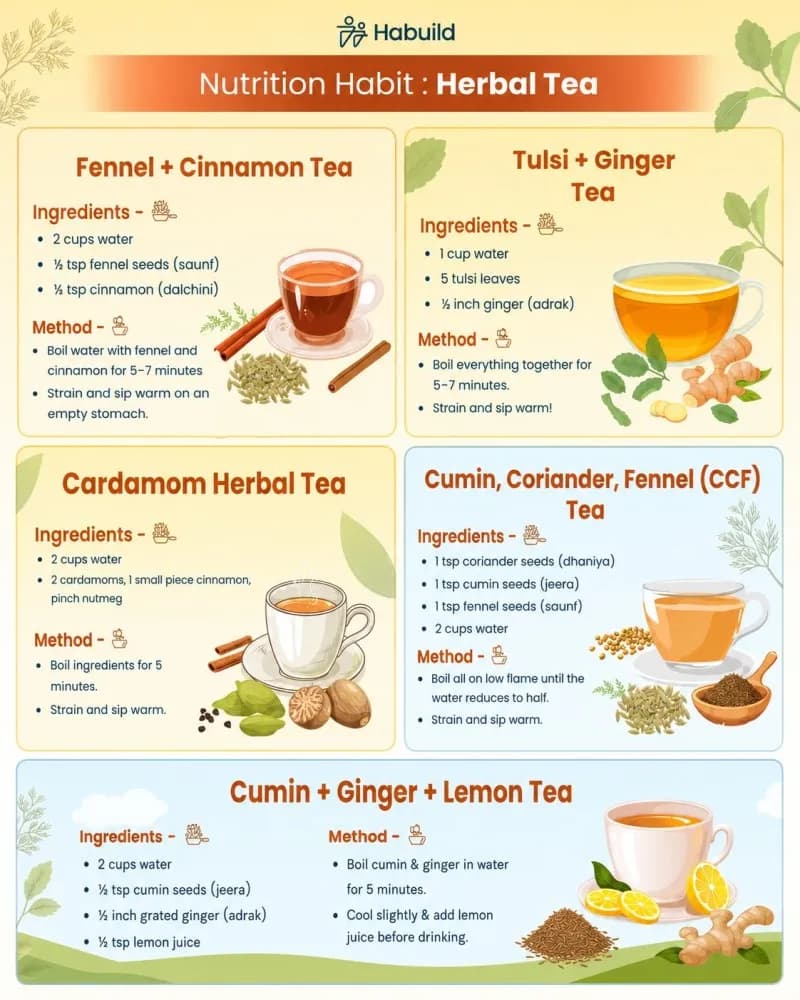
Herbal Tea Recipes: 5 Simple Blends for Daily Routine
These five herbal tea blends use common Indian kitchen ingredients like fennel, cinnamon, tulsi, ginger, and cardamom — light, warm drinks, not medicine..
How to Reduce Blood Sugar Level Immediately: 7 Fast, Natural Ways That Actually Work
Some interventions bring down an elevated reading within 10-30 minutes; others compound over the following hours. See 7 fast, natural ways that actually work.
