
Chia Seed Side Effects: Portions and Preparation Matter
Use chia comfortably by paying attention to fibre, hydration, texture and portion size.

Key Takeaways
- Large portions of chia can cause bloating.
- Soak chia in liquid before eating.
- Trouble swallowing after dry chia needs urgent help.
- Start with a small serving and increase slowly.
Chia seeds can be a useful addition to curd or porridge, but a large daily scoop is not automatically better. Their fibre and ability to absorb liquid explain both their appeal and some of the problems people experience. If chia leaves you bloated, uncomfortable or struggling to swallow, the answer is not to push through for more benefits. Adjust the amount and preparation, or leave it out.
Why chia can cause digestive discomfort
Chia contains a considerable amount of fibre in a small serving. Increasing fibre suddenly can lead to gas, bloating or changes in bowel habits, particularly if your usual diet contains little.
The problem may be the jump in intake rather than chia being inherently unsuitable. A person who adds chia, a fibre supplement and a large bean salad on the same day has changed several things at once.
Start with a small amount if you want to try it. A teaspoon or two mixed into a familiar food is a practical introduction for many adults, rather than beginning with a large pudding plus several chia drinks.
Let it absorb liquid before eating
Chia forms a gel when mixed with liquid. This can be useful in recipes, but swallowing a spoonful of dry seeds and chasing it with water is a poor way to use it.
A published case described blockage of the food pipe after dry chia was swallowed. A case report does not show that this is common, but the risk matters particularly for someone with swallowing difficulty or a narrowed oesophagus.
Mix seeds thoroughly into enough liquid or a moist food and allow them to hydrate. If the mixture becomes very thick, add more liquid before eating. Do not treat a dry-seed challenge as a shortcut to fullness or weight loss.
Trouble swallowing needs immediate attention
If food feels stuck, swallowing becomes difficult or you cannot swallow saliva normally, seek urgent medical care. Do not keep forcing water, more food or another home remedy down in an attempt to move it.
Someone with a known swallowing disorder should use chia only within the texture advice they have been given. A gel that looks smooth is not automatically suitable for every swallowing condition.
For children, whole dry spoonfuls are also inappropriate. Food texture, portion and supervision matter more than the idea that a small seed must be harmless.
Constipation is not a reason to keep adding more
Fibre can support bowel regularity, but more is not always the right response to discomfort. A large intake, inadequate fluid or a sudden dietary change can make a person feel worse.
Keep drinking regularly and look at the whole day: fruit, vegetables, pulses and other fibre foods already contribute. You do not need chia on top of a diet that meets your needs comfortably.
Persistent constipation, blood in stools, vomiting or significant abdominal pain should not be managed by continually increasing seeds. Those symptoms need attention to the cause, especially if bowel habits have changed unexpectedly.
Does chia cause weight gain or weight loss?
Chia contains energy as well as fibre and unsaturated fat. It can make a food more substantial, but adding several spoonfuls to an unchanged diet adds energy too.
It does not selectively burn belly fat or cancel sugar in a drink. A chia pudding made with sweetened milk, syrup and rich toppings can be very different from a small amount stirred into plain curd.
If fullness is your aim, consider the complete meal. Protein, food volume and a comfortable portion all matter. A drink with seeds is not necessarily a better breakfast than food you can chew and enjoy.
Keep allergy in perspective
Allergic reactions are possible, although they are not the usual explanation for mild gas after a large serving. Itching, hives or swelling shortly after eating needs a different response from ordinary fibre-related discomfort.
Breathing difficulty, throat tightness, facial swelling or faintness needs emergency help. Do not test the food again at home after a suspected serious reaction.
If you have a known allergy and have been advised to avoid chia, soaking or grinding does not make it safe. Preparation changes texture, not the need to follow an allergy plan.
What about medicine interactions?
There is no good reason to tell every person taking medicine that a small food serving of chia is forbidden. Equally, a claim that it can lower blood sugar or blood pressure should not be used to replace prescribed treatment.
If you plan to use large amounts or a concentrated supplement for a medical effect, discuss that specific change within your treatment plan. The product and intended amount matter more than a generic warning attached to the seed's name.
People with a prescribed restriction on fibre, fluid or certain minerals also need to fit chia within that plan. Such advice is condition-specific rather than a rule for all readers.
Make a comfortable serving
For a simple introduction, stir a small amount into plain curd or porridge and allow it to hydrate before eating. Keep the texture loose enough to be pleasant rather than aiming for the thickest possible gel.
If you make pudding, use a recipe with enough liquid and stir well so dry clumps do not remain. Refrigerate mixtures containing milk or curd and handle them like other perishable foods.
You can add fruit or a few nuts for taste, but there is no need to add several other seeds at once. Keeping the first preparation simple makes it easier to judge whether it suits your digestion.
If it does not suit you, choose another food
Chia is optional. Oats, pulses, fruit, vegetables, nuts and other seeds can contribute fibre and nutrients in different ways. You are not missing a compulsory health ingredient if you prefer them.
Reduce or stop chia if symptoms repeatedly follow it, then seek assessment if symptoms persist independently. The best amount is one that fits your meals comfortably, not the largest dose recommended in a social-media routine.
Editorial sources
Frequently Asked Questions
Related Articles
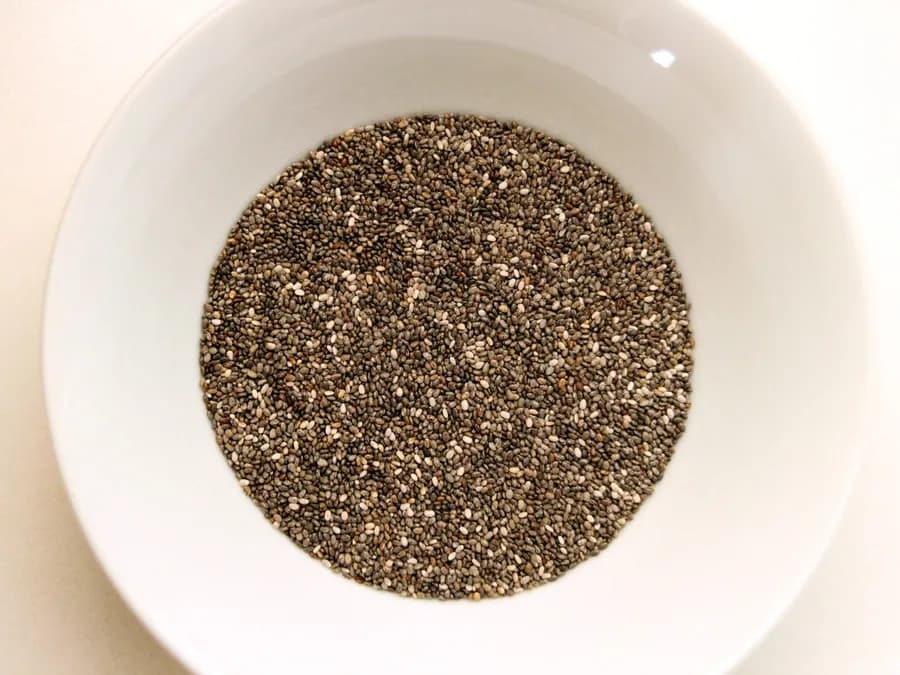
Chia Seeds for Constipation: How to Use Them Correctly
Chia seeds work for constipation mainly through soluble fibre, which absorbs water and adds soft bulk to stool. See how to use them correctly, with.
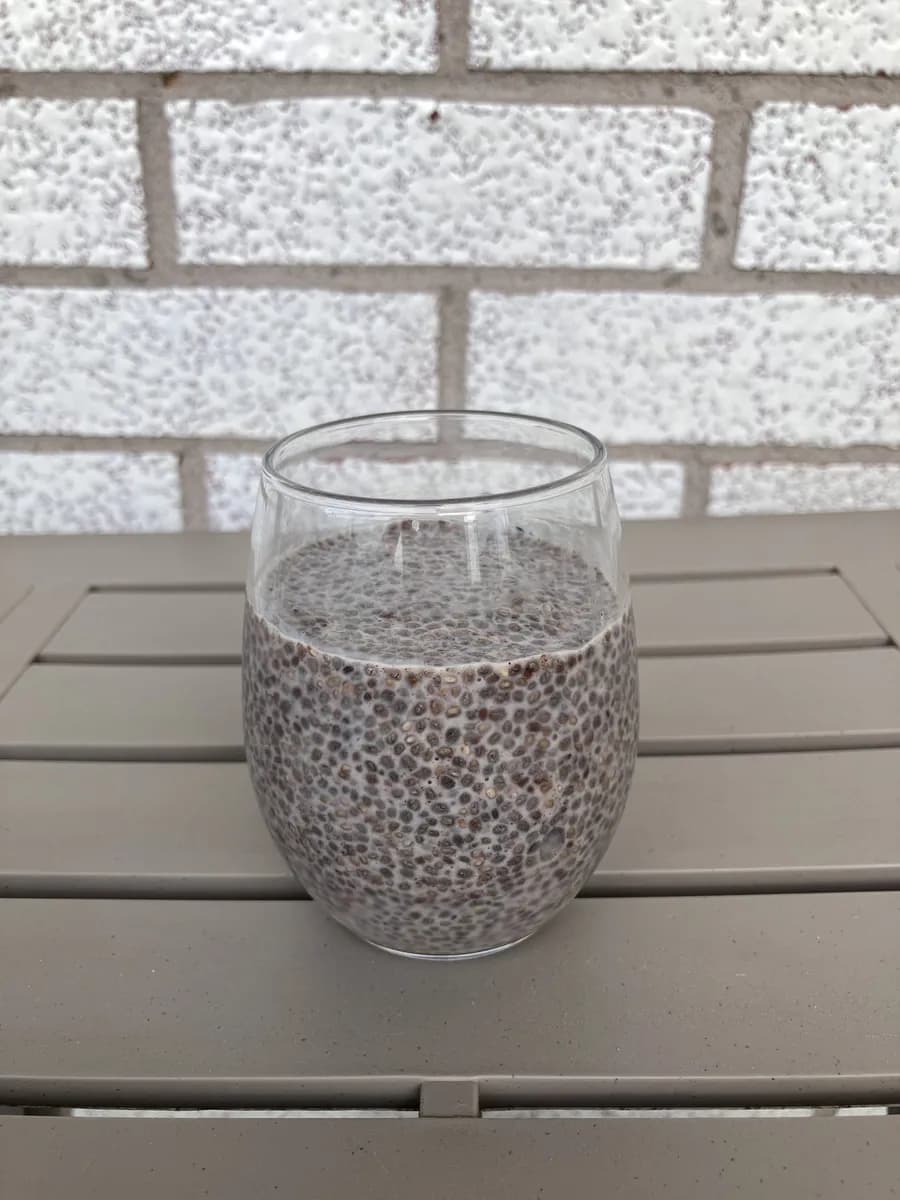
Chia Seeds for Weight Loss: The Gel-Forming Fibre Explained
Chia’s soluble fibre forms a gel when it meets liquid, and that gel-forming action — not glycemic index — is what drives its effect on appetite. See how.

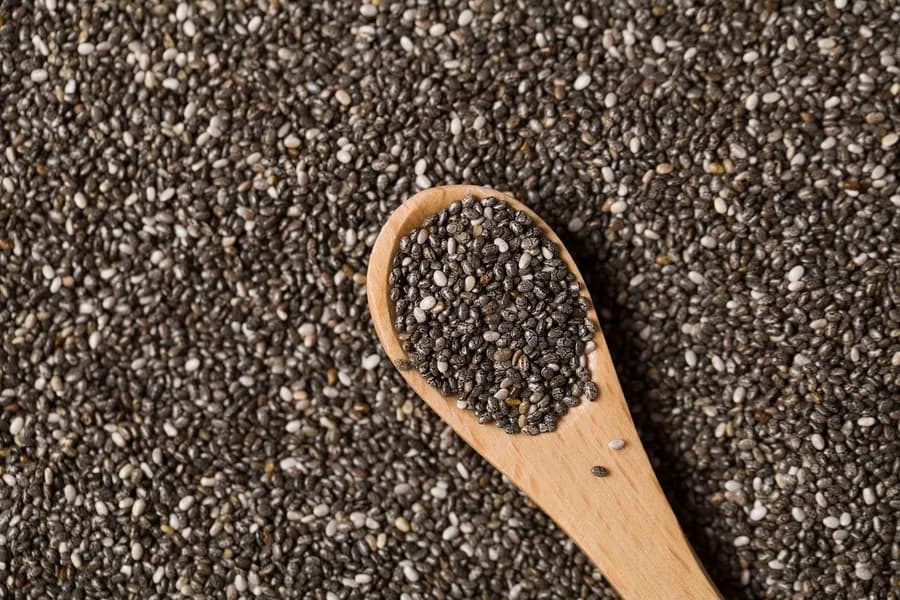
Chia Seeds in Water: Benefits, Preparation and Safety
Chia seeds absorb liquid and form a gel. Learn about practical uses, portions and safety.
Chia seeds: benefits, nutrition and how to eat them
Chia seeds add fibre, healthy fats and minerals to meals. Learn their real benefits, safe use and simple ways to eat them.