
Chickpeas Benefits: Nutrition, Cooking and Indian Meal Ideas
Kabuli chana is an affordable, filling pulse that adds protein, fibre and minerals to familiar Indian meals, from chole to sundal.

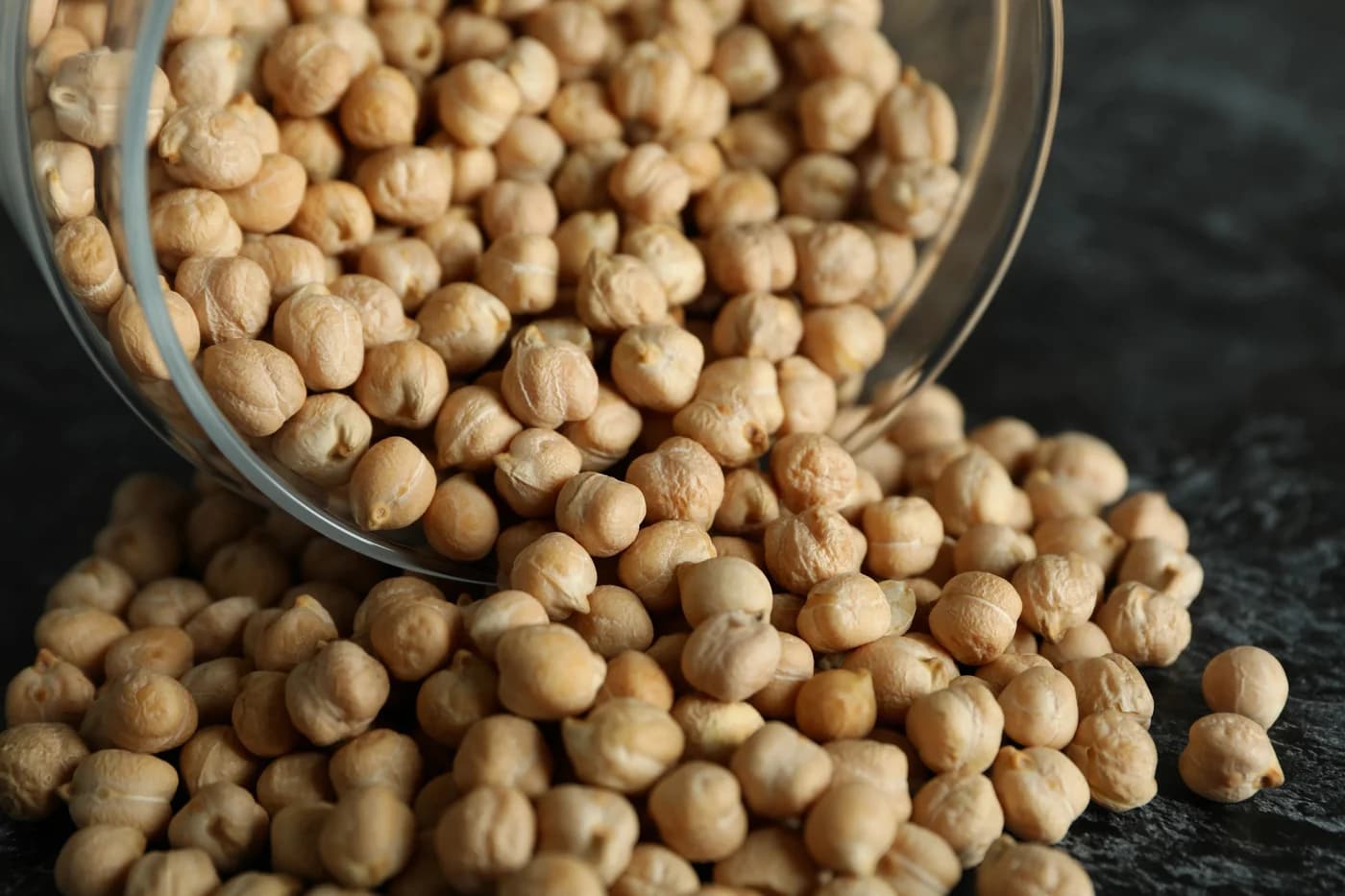
Key Takeaways
- Kabuli chana provides plant protein, fibre, folate, iron, magnesium and potassium.
- Pair chana with amla, tomato, capsicum or lemon to improve absorption of its non-haem iron.
- Soak dried chickpeas and pressure-cook them until fully tender; rinse canned chana to reduce sodium.
- Start with smaller portions and increase gradually if chickpeas cause gas or bloating.
Kabuli chana, the large, pale chickpea used in chole, is an affordable and filling pulse. Below, the focus stays on the practical chickpeas benefits for everyday Indian meals: protein, fibre and minerals, plus cooking methods that improve convenience and digestive comfort.
Kabuli chana at a glance
Kabuli chana provides carbohydrate, plant protein, fibre, folate, iron, magnesium and potassium. Its exact nutrition varies by variety and cooking method, but it does not need a "superfood" label to be valuable: it is a filling pulse that fits familiar dishes from chole to sundal.
Chickpeas also include the smaller, darker desi or kala chana, which offers a broadly similar mix of nutrients. This article concentrates on kabuli chana; our separate guide to black chickpeas covers kala chana in detail.
Protein, fibre and fullness
A cooked cup of chickpeas provides a useful combination of protein and fibre. That can make a meal more satisfying and support regular bowel movements. Chickpeas are not a complete substitute for every other protein source, so rotate them with dals, rajma, soy, dairy or other vegetarian foods. Pairing chana with rice or roti also broadens the amino-acid mix across the day.
How chickpeas compare with other vegetarian proteins
Chickpeas provide protein and fibre together, unlike many isolated powders. They also contain carbohydrate, so a chana-heavy meal still needs sensible grain portions. Soy foods and dairy generally provide more protein per typical serving, while lentils cook faster. Rotation makes the diet more practical and nutritionally varied.
Iron absorption and realistic expectations
Chickpeas contain non-haem iron, which the body absorbs less efficiently than haem iron. Add a vitamin-C-rich food such as amla, guava, capsicum, tomato, lemon or lime to the meal. Tea and coffee taken with an iron-rich meal can reduce absorption, so people being treated for iron deficiency may be advised to leave a gap.
Chickpeas contribute folate too, but pregnancy supplementation should follow medical guidance. Chana supports nutrition; it does not independently cure anaemia, diabetes or high cholesterol, which require the full dietary pattern and appropriate medical care.
Soaking and cooking kabuli chana
Sort and rinse dried chickpeas, soak them overnight, discard the soaking water if preferred, and cook in fresh water until fully tender. A pressure cooker saves time and gives a genuinely soft texture. Soaking may shorten cooking and improve digestive comfort, but it does not replace thorough cooking.
Salt can be added during cooking; it does not prevent chickpeas from softening when they are fresh and cooked long enough. Very old stock may remain firm despite extra time, so storage age matters. Canned chickpeas are already cooked: drain and rinse them to reduce some surface sodium, and avoid swollen, leaking or deeply rusted cans.
Bloating and sensible portions
Chickpeas contain fermentable carbohydrates that gut bacteria break down, which can cause gas, especially when intake rises suddenly. This is fermentation, not "toxins". Start with a smaller portion, chew well and increase gradually. Rinsing and soaking may help, but none removes every fermentable compound, and regular modest servings are often easier than a huge weekend bowl. People with IBS may need individual guidance rather than eliminating all legumes.
Indian meals beyond chole
Use kabuli chana in chana chaat, hummus, salads, wraps, soups, pulao or a lightly spiced sundal. Combine it with vegetables and a grain or curd for a fuller meal. Squeeze lemon or lime over chaat and salads for flavour and vitamin C.
Judge the whole plate rather than giving the pulse one fixed health rating. Hummus can be nourishing, but tahini and oil raise its energy density. Chole with bhature or fried falafel can still be enjoyed, but their nutrition differs from boiled chana with vegetables or a vegetable-rich curry.
Batch cooking chana through the week
Cook a larger batch, cool it promptly and refrigerate portions in shallow containers. Use one portion for curry, another for chaat and another blended into a sandwich spread. Freeze what will not be eaten within a few days. For packed lunches, keep cooked chickpeas cool until mealtime rather than leaving them at room temperature.
Editorial sources
Frequently Asked Questions
Related Articles
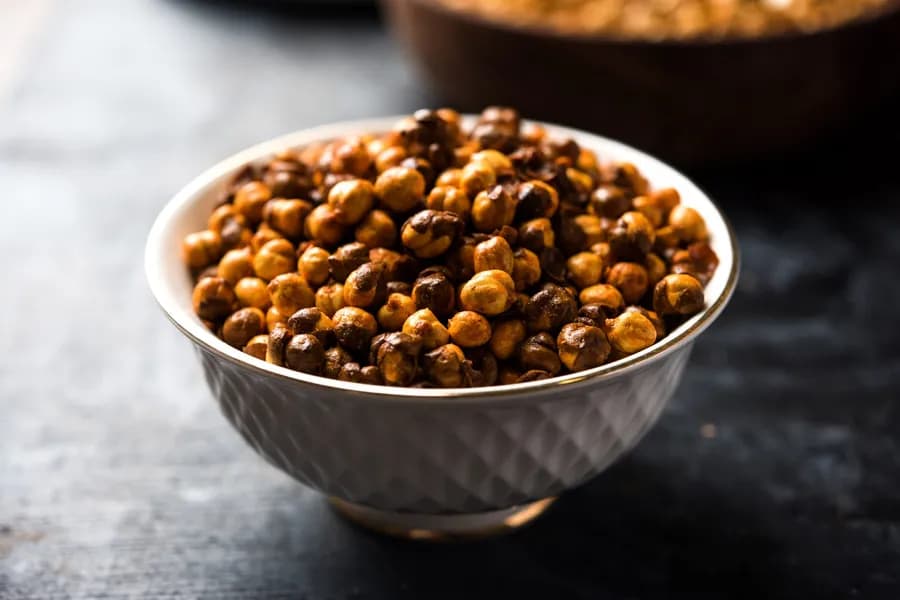
Black Chickpeas Benefits: Nutrition, Uses, and How Kala Chana Compares
Kala chana, the smaller, darker chickpea common across Indian kitchens, has a denser fibre content than the paler kabuli variety. See its full nutrition.

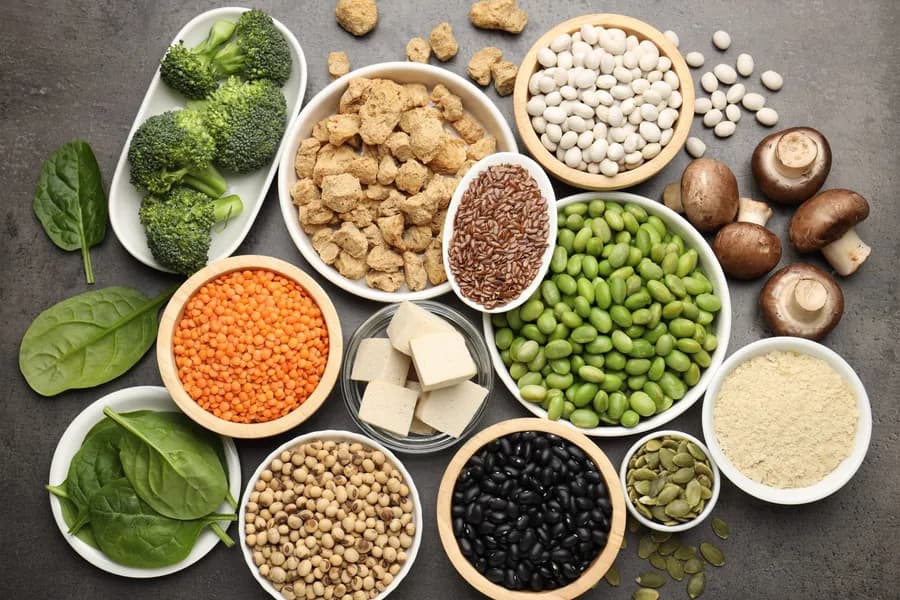
High Protein Vegetarian Foods: The Complete Indian Food List
Indian kitchens are already full of high protein vegetarian foods — dals, paneer, tofu, soy, and dairy. See the complete list, with protein counts, and.
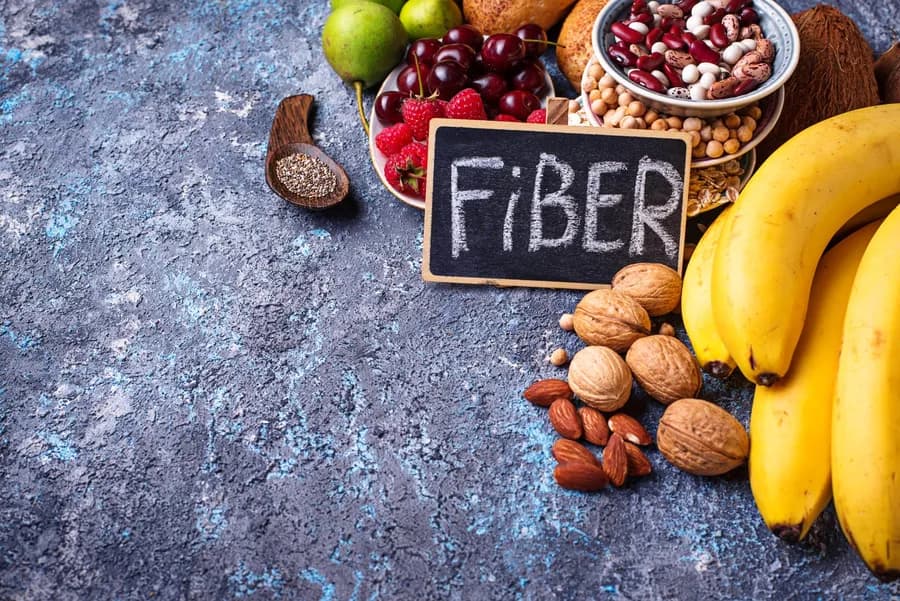
Fibre rich foods: what fibre does for your gut
Fibre does more than aid digestion — it feeds gut bacteria and helps keep blood sugar steady. See what fibre-rich foods actually do for your gut.