
Coconut: Nutrition Facts, Uses and Safety
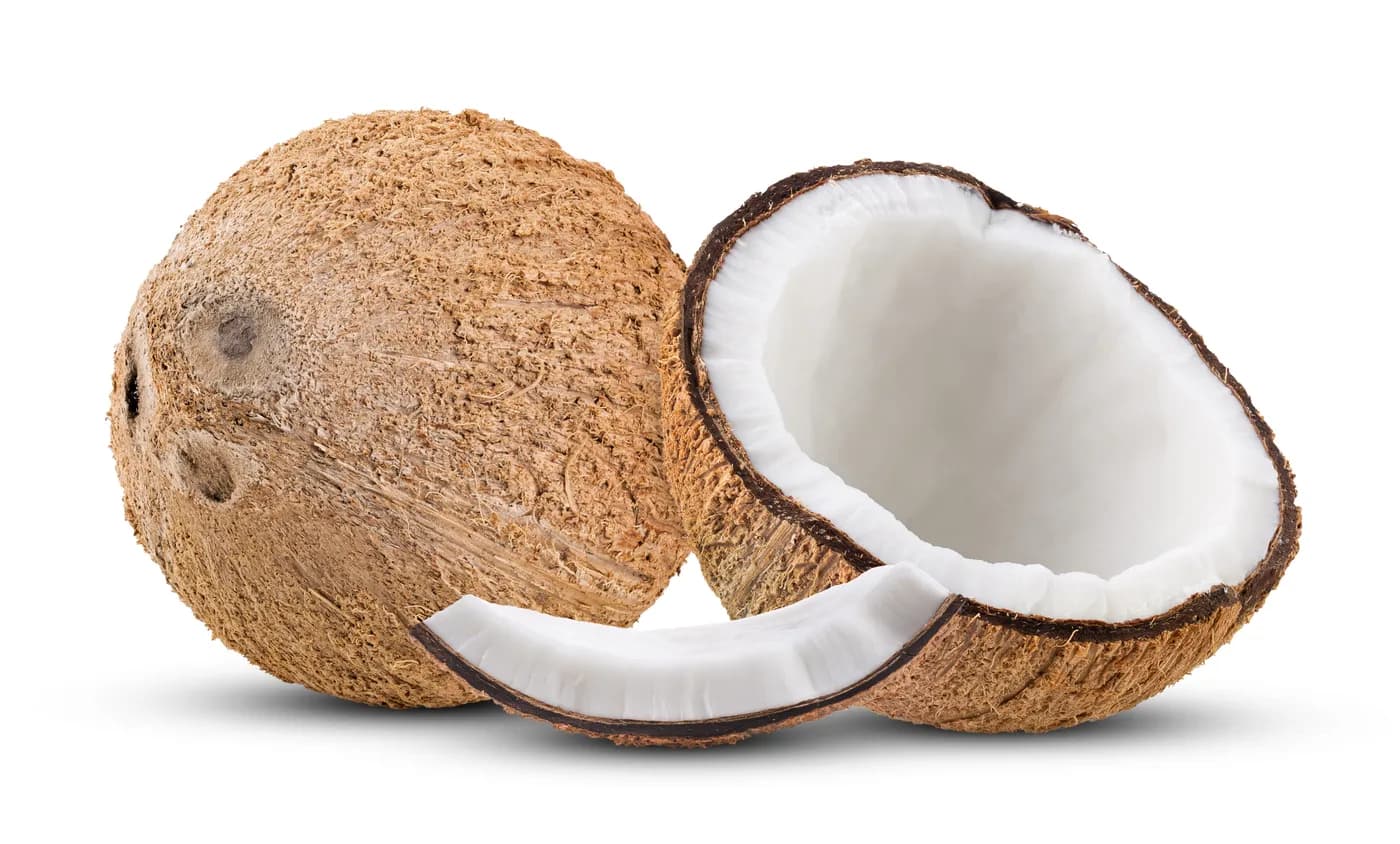
Coconut is used in many forms, including fresh flesh, dried flakes, milk, water and oil.
Key Takeaways
- Coconut flesh, water, milk and oil have different nutritional profiles.
- Flesh provides fibre, while oil does not.
- Coconut oil is high in saturated fat and should not be treated as a heart-health remedy.
- Sweetened drinks, desserts and packaged products may add sugar or sodium.
- Coconut allergy is uncommon but possible.
Coconut is used in many forms, including fresh flesh, dried flakes, milk, water and oil. These products come from the same fruit but are not nutritionally interchangeable.
Fresh flesh provides fibre and fat, coconut water is mainly a fluid, and coconut oil is almost entirely fat. Understanding the form and portion makes health claims easier to judge.
Coconut nutrition by form
Fresh coconut flesh
The white flesh provides fat, carbohydrate, fibre and small amounts of protein. It also contributes minerals such as manganese and copper. Because much of its fat is saturated, a generous portion can add substantial energy and saturated fat.
Coconut water
The clear liquid inside a young coconut provides water, natural carbohydrate and electrolytes, including potassium. It contains far less fat than the flesh. It is not the same as coconut milk and is not a complete rehydration treatment.
Coconut milk and cream
These are made by extracting grated flesh with water. Their fat and energy content depends on dilution. Thick cream is much richer than a light cooking milk. Canned products may contain stabilisers and added sodium.
Coconut oil
Oil contains fat but no fibre and very little of the minerals present in flesh. Most of its fatty acids are saturated. Virgin and refined oils differ in flavour and processing, but both remain concentrated sources of saturated fat.
Possible benefits in perspective
Fibre and meal satisfaction
Fresh or dried unsweetened flesh can contribute fibre and texture. A little grated coconut may make vegetables, chutney or oats more enjoyable.
It should complement pulses, grains, vegetables and fruit. Large servings can be energy-dense and may cause digestive discomfort.
Cooking flavour
Coconut milk and grated flesh create distinctive flavour in regional dishes. Using a measured amount can make a nourishing vegetable or dal dish appealing without requiring a health claim.
Coconut water and hydration
Plain coconut water can contribute fluid and potassium. After ordinary light activity, water and regular meals are usually sufficient. During prolonged exercise, heavy sweating, vomiting or diarrhoea, fluid and electrolyte needs may be different.
Coconut water is not a medical oral rehydration solution. Commercial ORS has a specific glucose and electrolyte balance for treating dehydration.
Coconut oil and heart health
Coconut oil is sometimes promoted as healthier than all other fats. However, it is high in saturated fat, which can raise LDL cholesterol. Major heart-health guidance recommends replacing saturated fats with unsaturated fats rather than adding more coconut oil.
This does not mean traditional dishes must never include it. The useful approach is portion awareness and variety. Oils such as mustard, groundnut, sesame, sunflower or other suitable unsaturated oils can be rotated according to the recipe and individual needs.
Medium-chain triglyceride research should not be applied directly to ordinary coconut oil. Commercial MCT oil has a different fatty-acid composition and is sometimes used clinically under guidance.
Weight loss and metabolism claims
No coconut product melts belly fat or speeds metabolism enough to produce meaningful weight loss by itself. Coconut oil and dried flesh are energy-dense, so adding them without replacing another food may increase total intake.
Fresh flesh can still fit a balanced diet. Use it for flavour and satisfaction rather than taking spoonfuls of oil as a supplement.
Simple ways to use coconut
- Add a small amount of grated flesh to vegetable poriyal or thoran.
- Blend it with herbs and roasted chana for chutney.
- Use light coconut milk in vegetable curry or soup.
- Sprinkle unsweetened flakes over oats or fruit.
- Add measured coconut to homemade laddoo rather than treating the sweet as unlimited.
- Drink plain coconut water occasionally when you enjoy it.
Check labels on desiccated coconut, beverages and flavoured water. Some contain added sugar, syrup, sodium or flavouring.
Portions and frequency
There is no compulsory daily amount. A few tablespoons of grated flesh or a modest amount of milk in a shared dish may be enough for flavour. Oil should be counted with all other cooking fats.
People with raised LDL cholesterol, cardiovascular disease or a prescribed fat-modified diet should follow individual advice. A traditional ingredient can remain culturally valuable without being appropriate in unlimited quantities.
Kidney disease and potassium
Coconut water can contain considerable potassium. This may be helpful in an ordinary diet but unsuitable for some people with kidney disease or those taking medicines that raise blood potassium.
Do not use it as a routine electrolyte drink when a clinician has advised potassium restriction. Packaged products vary, so check the label.
Allergy and digestive concerns
Coconut allergy is uncommon but can cause hives, swelling, vomiting, wheezing or anaphylaxis. People with a diagnosed allergy should avoid it and check personal-care products if topical exposure causes symptoms.
High-fat coconut dishes may worsen nausea, reflux or diarrhoea in some people. Large amounts of coconut water may also cause digestive discomfort.
Seek urgent help for breathing difficulty, facial or throat swelling, faintness or a widespread reaction.
Buying and storage
A whole coconut should feel heavy and show no leaking, cracks or mould around the eyes. Refrigerate fresh flesh and use it promptly.
Keep dried products airtight and discard them if they smell rancid. Refrigerate opened coconut milk and follow the pack instructions. Do not store an opened can indefinitely.
Sources
- USDA FoodData Central. Coconut products. https://fdc.nal.usda.gov/
- American Heart Association. Dietary fats and cardiovascular disease. https://professional.heart.org/en/science-news/dietary-fats-and-cardiovascular-disease/top-things-to-know
- American Heart Association. Healthy cooking oils. https://www.heart.org/en/healthy-living/healthy-eating/eat-smart/fats/healthy-cooking-oils/
- NHS. Food allergy. https://www.nhs.uk/conditions/food-allergy/
Frequently Asked Questions
Related Articles
Sesame Oil: Benefits, Cooking Uses and Safety
Sesame oil is linked with dietary fat, cooking choices or heart-health questions. Type, quantity and what it replaces are all important.

Electrolyte Drinks: When They Help, Ingredients and Safety
Electrolytes such as sodium and potassium help regulate fluid balance, nerves and muscles.

Cashew Benefits : Nutrition, Portions and Safety
Cashews provide unsaturated fat, protein, magnesium, copper and other minerals in a compact serving.