
Cashew Benefits : Nutrition, Portions and Safety
Cashews provide unsaturated fat, protein, magnesium, copper and other minerals in a compact serving.
Key Takeaways
- Cashews contain mostly unsaturated fat plus protein and minerals.
- A small handful is a practical portion for many adults.
- Nut allergy can be severe and cross-contact matters.
- Roasting does not make cashews unhealthy, but added salt, sugar and oil matter.
Cashews provide unsaturated fat, protein, magnesium, copper and other minerals in a compact serving. Plain nuts can fit a balanced diet, but they are energy-dense and do not independently cause weight loss, raise testosterone or cure heart disease. Salted and sugar-coated products have a different profile. This guide examines the cashew option without overstating what one food, habit or supplement can do.
Understanding cashew benefits in context
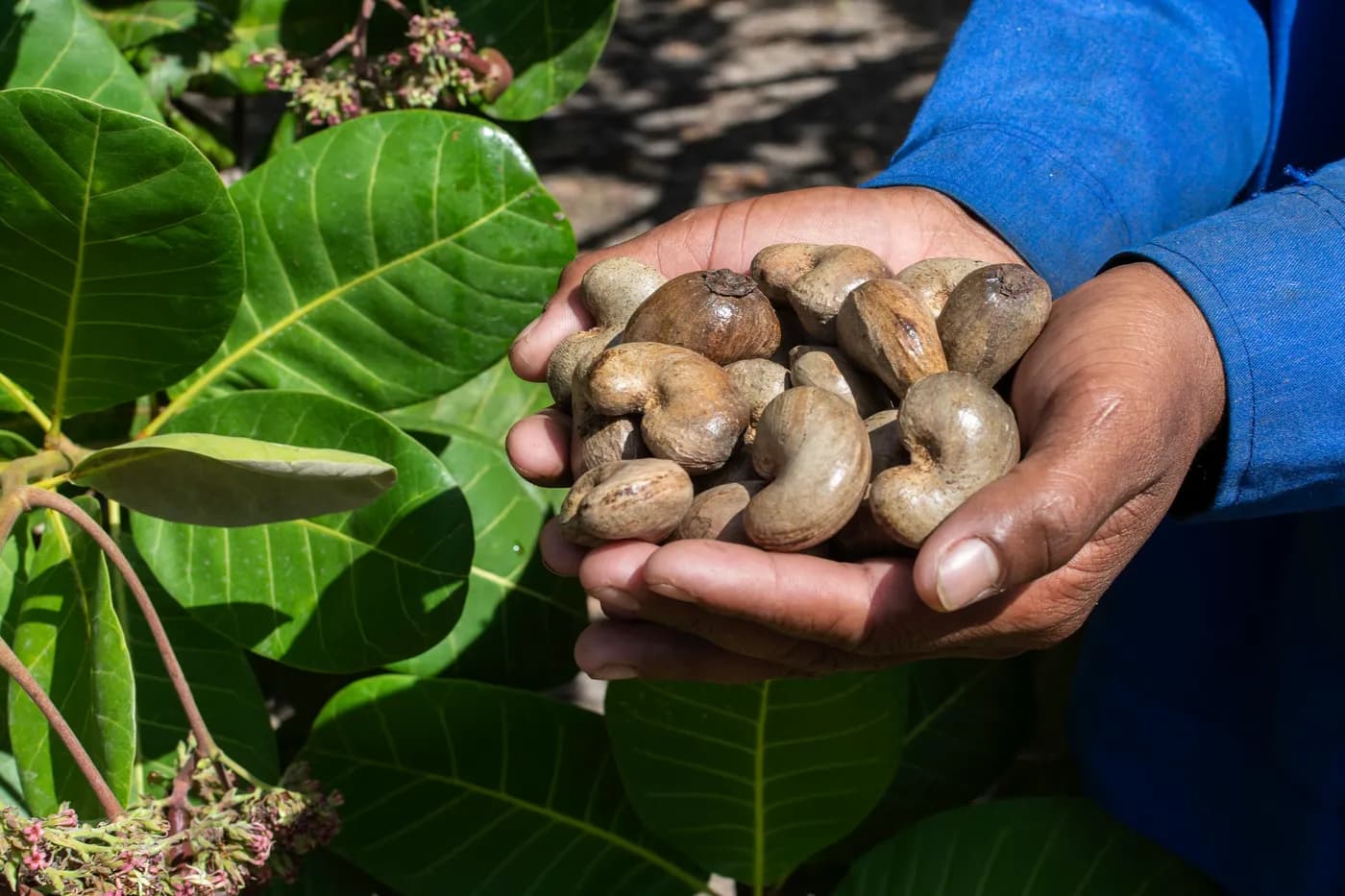
Cashews are the seeds of the cashew fruit. Commercial “raw” cashews have been heat-treated to remove toxic shell oil and are not truly raw from the shell. Cashew butter has similar basic nutrients but is easier to eat in larger amounts.
Reading the evidence on the cashew option
Evidence for cashew benefits is most convincing when independent human studies examine the same preparation and reach similar conclusions. Small trials can be informative without being final. When methods or results differ, uncertainty should be stated plainly rather than hidden behind words such as proven or clinically tested.
How to interpret claims about the cashew option
A useful question is what role cashew benefits could realistically play. For a food, that may mean contributing nutrients or replacing a less suitable choice. For a product or remedy, it means defining the intended outcome before use. Neither situation supports a promise to prevent, cure or reverse disease.
Using the cashew option in everyday meals
- Add a small handful to fruit or plain curd.
- Blend a measured amount into a vegetable gravy.
- Use chopped cashews on oats or salad.
- Choose unsalted nuts most often and store them airtight.
Keep the use of cashew benefits simple enough to evaluate. A modest starting point makes it easier to notice digestive, skin, sleep or energy changes without confusing them with several new habits. Stop and reassess if the choice displaces balanced meals or creates persistent symptoms.
How preparation changes the cashew option
With cashew benefits, portion and pairing matter more than a rigid spoon or cup rule. Combining it with vegetables, pulses, dairy, eggs or another appropriate protein can make a more complete meal. Check packaged versions for salt, sugar and allergens instead of relying on front-label claims.
When the cashew option may not be suitable
Cashew allergy may cause anaphylaxis. Anyone allergic to cashew or pistachio needs specialist guidance and should check cross-contact labels. Whole nuts are a choking hazard for young children. Kidney disease may require phosphorus or potassium advice.
Keep expectations for cashew benefits proportional to the evidence. People taking regular medicines or preparing for surgery should disclose supplements and herbal products. Children and pets also need protection from concentrated products and accidental ingestion.
The bottom line on the cashew option
Cashew benefits can be useful in the right context without being essential for everyone. Keep the goal specific, choose a suitable form and review whether it genuinely improves the meal, symptom or routine. A modest benefit is still worthwhile when it is safe—but it should not be presented as a cure.
A closer look at everyday context
The usefulness of cashew benefits depends on the decision it supports. Ask whether the information applies to a food, supplement, symptom or clinical treatment, because each requires a different standard of evidence. Then compare the proposed choice with the realistic alternative. Adding something nutritious may help, but replacing a balanced meal or delaying appropriate care can change the conclusion completely. This comparison is more informative than asking whether the topic is simply good or bad.
Availability and consistency matter in practice. An expensive or complicated approach is unlikely to be sustained, even when it appears attractive on paper. For cashew benefits, choose an option that fits familiar meals, preparation time and household needs. Comparable local foods or simpler habits may offer the same practical value. A flexible plan also makes it easier to maintain variety and reduces the chance that one highly promoted item dominates the diet.
When to review your approach
Use ordinary indicators to judge progress: appetite, digestion, energy, sleep, symptom frequency or relevant measurements recommended by a clinician. Record enough detail to see a pattern, but do not interpret every daily fluctuation. Give cashew benefits only the time that is reasonable for the stated goal, then decide whether it was helpful, neutral or troublesome. If there is no clear benefit, continuing indefinitely or increasing the amount is unlikely to create a better-quality experiment.
A sensible plan includes a stopping rule. Decide in advance what lack of improvement, side effect or practical burden would lead you to reconsider cashew benefits. This reduces the temptation to keep spending money or to assume that a stronger version must work better. When professional care is involved, share the exact product, preparation and amount rather than using a general name; formulations with similar branding can still produce very different exposures.
Revisit the decision about cashew benefits when circumstances change. New medicines, pregnancy, worsening symptoms, altered activity or a different diagnosis can make earlier advice unsuitable. Otherwise, focus on the overall pattern and allow variety rather than repeatedly searching for a single best food or remedy. A practical choice that is safe, affordable and enjoyable is more likely to support health than a rigid plan built around marketing language.
Finally, distinguish routine discomfort from a warning sign. Mild changes may settle after adjusting portion or preparation, but persistent or severe symptoms deserve assessment. Do not repeatedly test cashew benefits after a suspected allergy, and do not use it to explain away unexplained weight change, bleeding, fever, breathing difficulty or progressive pain. Prompt care is more important than completing a self-directed trial when the health picture is changing.
Editorial sources
Frequently Asked Questions
Related Articles
Pistachio Benefits: Portions and Simple Meal Ideas
Pistachios are small tree nuts with a naturally green centre and a mild, slightly sweet flavour.

Magnesium: What It Does, Uses and Safety
Magnesium is discussed for nutrition or wellness, but needs differ from person to person. Food sources and supplements do not always act in the same way.

Sesame Oil: Benefits, Cooking Uses and Safety
Sesame oil is linked with dietary fat, cooking choices or heart-health questions. Type, quantity and what it replaces are all important.