
Coconut Water and Diabetes: Portions Matter More Than the Claim
Coconut water can fit some diabetes plans in a suitable portion. Treat it as a drink with carbohydrate, rather than a remedy for glucose control.
Key Takeaways
- Coconut water still contains natural sugar.
- A small measured portion is easier to fit in.
- It does not lower a high glucose reading.
- Kidney-related potassium limits can change the advice.
Coconut water can fit into some diabetes meal plans, but it is not sugar-free and does not lower blood glucose as a treatment. A small serving and a large tender coconut are different amounts of carbohydrate, even when neither contains added sugar. The useful decision is whether you enjoy it, how much you drink and how it fits with meals, medicines and any kidney-related restrictions.
Natural sugar still contributes carbohydrate
Coconut water contains naturally occurring sugars. Their amount varies with the coconut's maturity and variety, and packaged products can differ too.
No added sugar means no extra sugar has been added; it does not mean the drink contains none. Flavoured versions, fruit blends or sweetened products may contribute more.
For a product you use regularly, the most useful figure is total carbohydrate for the amount you drink. You do not need a detailed comparison of every brand. Establish the serving once, then decide whether it fits your usual plan rather than relying on the word natural to answer the question.
A small measured portion is easier to judge
Around 100–150 ml can be a practical starting amount for someone who wants to include the drink. It is not a universal prescription or a requirement to have it daily.
A simple example shows why volume matters. If a drink lists 5 g carbohydrate per 100 ml, 150 ml supplies 7.5 g and 300 ml supplies 15 g. Those are illustrative calculations, not values for every fresh coconut or packet.
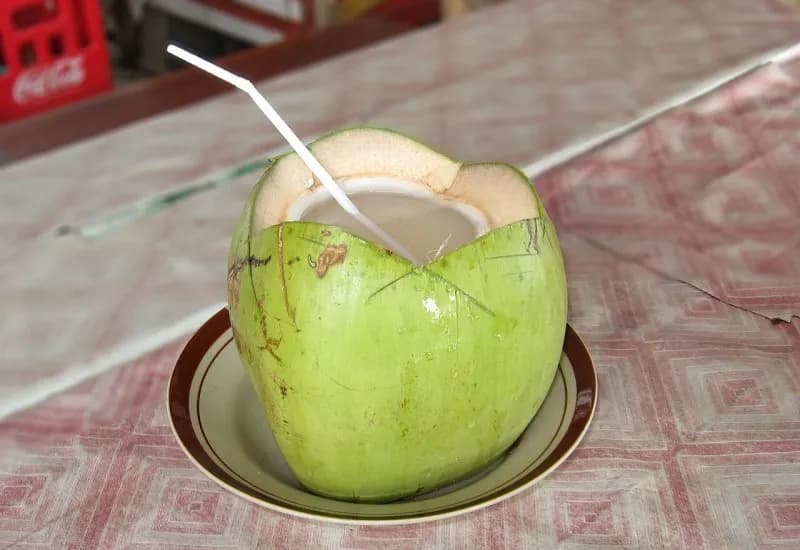
With a fresh coconut, the amount inside can be uncertain. Pouring it into a small glass helps you understand the portion. You do not have to finish the whole coconut because it is already open or because a larger serving looks like better value.
Do not use it to bring a high reading down
Coconut water has not been established as a dependable glucose-lowering treatment in people with diabetes. A drink containing carbohydrate should not be used as a substitute for the plan you have been given for high glucose.
If readings are repeatedly outside target, consider the overall meal pattern, medicines, illness and other relevant factors. Adding a health drink can make the situation harder to interpret without addressing the cause.
Marked thirst, frequent urination, vomiting, unusual drowsiness or a significant deterioration needs appropriate care. Do not try to correct those symptoms by repeatedly drinking coconut water. Hydration and treatment may both matter, but they are not the same task.
Water remains the simpler thirst drink
Plain safe water contains no carbohydrate and is usually the easiest everyday choice for thirst. Coconut water can be an occasional preference rather than the default drink for every hot day.
If it replaces a heavily sweetened beverage, it may reduce carbohydrate or energy, depending on the actual products and amounts. If it is added on top of an unchanged day, that is a different decision.
You do not need coconut water after an ordinary walk or yoga session simply because you have sweated. Prolonged strenuous activity, illness or dehydration can require more specific fluid and food planning. A fashionable drink is not automatically the right replacement in all those situations.
Pair the decision with the meal, not a magic time
There is no proven best time when coconut water becomes harmless to glucose. Morning, evening or an empty stomach does not remove its carbohydrate.
Fit it into the part of your day where you actually want it. If you also eat a substantial snack, account for the drink as part of that occasion rather than treating it as nutritionally invisible.
Someone using a carbohydrate-based insulin plan should follow that plan. Do not add a general extra insulin dose based on an internet serving suggestion. Individual treatment and the actual carbohydrate consumed determine the appropriate approach, not the drink's health reputation.
Your own response can be informative
If glucose monitoring is already part of your care, notice the response to the portion and meal you actually had. One reading is influenced by more than a single ingredient, so avoid drawing a permanent conclusion from an unusual day.
A smaller serving or a different drink may be easier if the pattern repeatedly does not suit you. There is no need to force coconut water because someone describes it as ideal for diabetes.
At the same time, a suitable portion need not be forbidden simply because it contains sugar. A flexible plan accounts for food and drink rather than dividing everything into unlimited natural products and banned sweet foods.
Potassium can change the advice
Coconut water can provide a substantial amount of potassium. Many people handle dietary potassium normally, but some kidney conditions and medicines make high levels a concern.
Diabetes and kidney disease can occur together, so a prescribed potassium or fluid restriction takes priority over a general beverage suggestion. A person may need to limit or avoid coconut water within that plan.
Do not use it to self-treat a suspected mineral deficiency or assume that an electrolyte claim makes it safe for every kidney condition. The relevant issue is the person's ability to handle the mineral, not whether the source is fresh or packaged.
Keep low-glucose treatment separate
Coconut water is not the most dependable measured rescue option for hypoglycaemia because its carbohydrate concentration and volume can vary. Follow the fast-acting carbohydrate plan established for you instead.
Nuts or other foods added alongside it do not make an uncertain rescue dose more reliable. When glucose is low, the amount and speed of treatment matter.
If someone cannot swallow safely, is unconscious or is having a seizure, do not give any drink by mouth. Use prescribed rescue treatment if available and seek emergency help. An ordinary beverage choice should not delay a response to a low-glucose emergency.
Freshness and handling still matter
Use a clean source and clean utensils when a coconut is opened. Drink promptly or refrigerate appropriately rather than leaving the open liquid warm for hours.
For a packet, follow the storage directions once opened. A fresh or natural label does not protect a drink from contamination after poor handling.
Choose coconut water when you enjoy it and a suitable portion fits your needs. Keep plain water convenient, consider any kidney plan and avoid giving the drink a medicinal job. That is enough to make the choice practical without either banning it or promising a special diabetes benefit.
Editorial sources
Frequently Asked Questions
Related Articles
Coconut Water and Pregnancy: Benefits, Safety, and How Much Is Fine
Used in moderation, coconut water is generally considered a safe, refreshing way to support hydration during pregnancy. See the benefits and how much is.


Diabetic Meal Plan Indian Style: A Full-Day Guide to Balanced Eating
A diabetic meal plan doesn’t mean giving up dal, roti, or rice — it means getting portions, timing, and combinations right. See a full day of eating.

How to Reduce Blood Sugar Level Immediately: 7 Fast, Natural Ways That Actually Work
Some interventions bring down an elevated reading within 10-30 minutes; others compound over the following hours. See 7 fast, natural ways that actually work.

Is Banana Good for Diabetes? Portions, Ripeness and Pairings
Banana can fit a diabetes eating plan when portion, ripeness and pairing are right. Here is how to include it and check your own response.