
Is Banana Good for Diabetes? Portions, Ripeness and Pairings
Banana can fit a diabetes eating plan when portion, ripeness and pairing are right. Here is how to include it and check your own response.
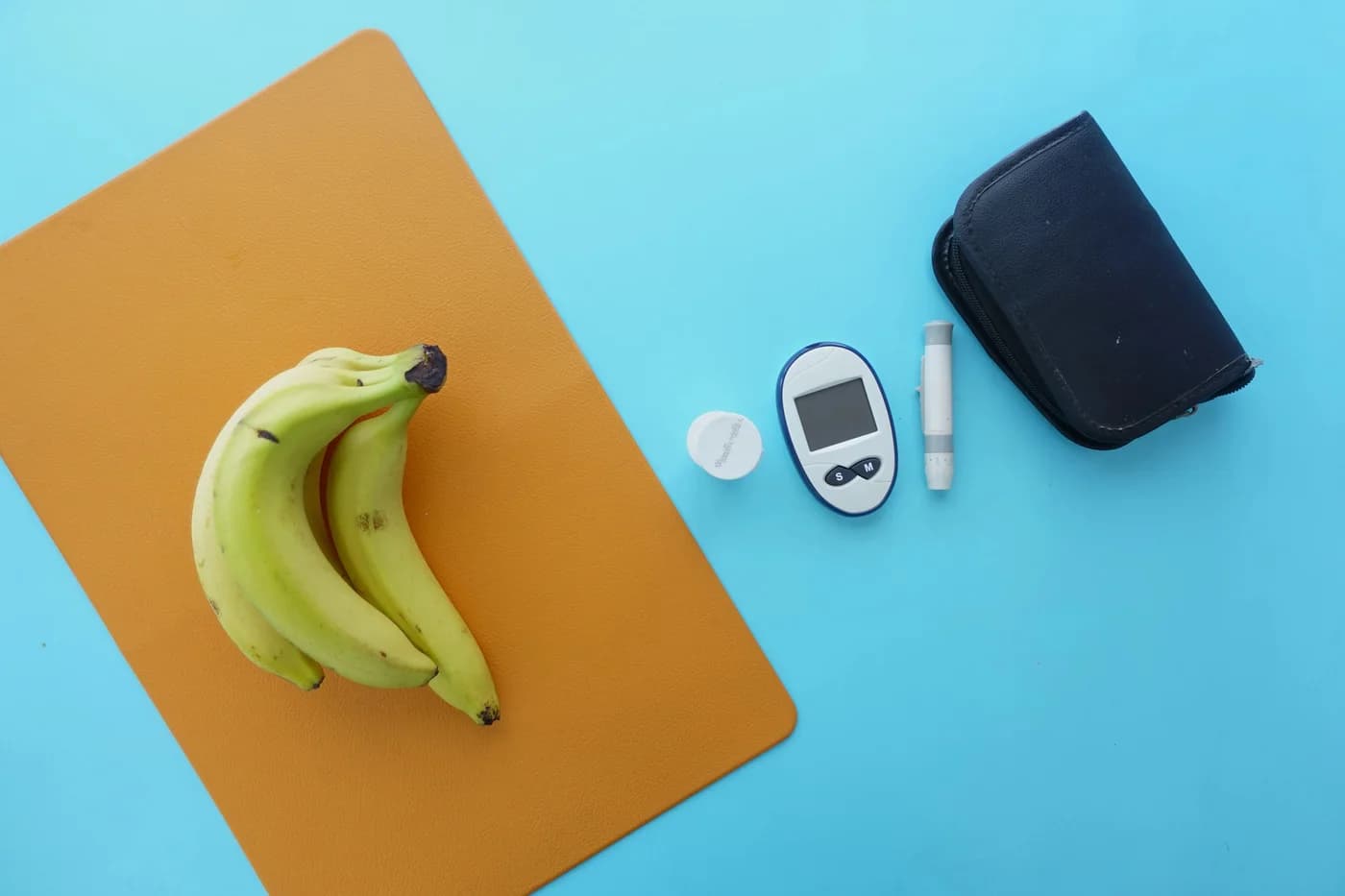
Key Takeaways
- Banana contains carbohydrate, so count it in your meal, but it does not need to be banned.
- Start with a small banana or half a large one; size changes the carbohydrate considerably.
- Riper bananas are sweeter; slightly less ripe fruit may give a gentler glucose rise for some.
- Eat it whole with curd or nuts rather than as juice, chips or a large sweetened smoothie.
Banana can fit a diabetes eating plan. It contains carbohydrate, so portion and ripeness matter, but banning it ignores the fibre, potassium, vitamin B6 and convenience it offers. A small fruit eaten with a protein-containing food can affect glucose differently from a large overripe banana blended into a sweet drink. Your own readings, interpreted with your care team, should guide the final choice.
Banana nutrition in brief
A banana's carbohydrate comes from a mix of starch, natural sugars and fibre. It also supplies potassium and vitamin B6, needs no preparation and travels well, which makes it one of the most practical fruits in an Indian kitchen. Size varies widely, so "one banana" is not a standard serving: a small fruit and a very large one can differ considerably in carbohydrate.
Can bananas fit a diabetes eating plan?
Yes, for most people, when the portion is planned. The fruit still counts within the meal even though its sugar is naturally occurring, so it is not a free food. Choose a small banana or half of a large one while you learn how your body responds.
Ripeness makes a difference
During ripening, starch converts to sugar and the fruit becomes softer and sweeter. A greener banana contains more resistant starch, which may slow digestion but can increase gas. The best stage balances glucose response, taste and comfort; very unripe fruit is not automatically required.
Pair it for fullness
Plain curd, a spoon of peanut butter, a few walnuts or unsweetened soy yoghurt adds protein or fat and can make the snack more satisfying. Pairing does not cancel the banana's carbohydrate. It changes the overall meal and can reduce the urge to reach for more fruit or a refined snack soon afterwards.
Whole fruit beats a drink
Chewing a banana gives a clearer portion than blending several fruits into a smoothie, and juice is consumed quickly. If you use banana in a drink, keep the portion visible, avoid added sweeteners and count the drink within the planned meal or snack, not in addition to it.
What changes the glucose impact?
Glycaemic index describes an average response to a set amount of carbohydrate under test conditions. Real responses vary with ripeness, portion, pairing, recent activity and individual metabolism. Glycaemic load and glucose monitoring add context, but no single number makes a food safe or unsafe.
Not all banana portions are equal
A small whole banana, half a very large banana, a cup of sliced banana and a restaurant smoothie can contain very different amounts of carbohydrate. Banana chips are often fried and easy to overeat, and bakery items may combine banana with refined flour, sugar and fat. "No refined sugar" desserts can still contain plenty of carbohydrate from dates or syrup. Judge the finished food, not the health halo of one fruit ingredient.
When to eat it
There is no universal best time. Banana may work at breakfast, before activity or as an evening snack. If you use insulin or another medicine that can cause low glucose, follow the meal timing your diabetes team has advised, and never change medicine doses yourself to make room for a food.
Potassium and kidney disease
Potassium is valuable for most people, but advanced kidney disease can reduce the body's ability to clear it. A renal dietitian may recommend a different fruit or portion based on blood tests. Diabetes alone is not a reason for everyone to avoid potassium-rich foods.
How can you test your own response?
Start with half or one small banana beside a protein-rich snack, then notice fullness and check glucose in the way your care plan recommends. Compare similar portions under similar conditions on more than one occasion, because a single high reading may reflect the whole meal, stress, illness or medicine timing. Keep the banana if it works, or adjust size, ripeness or pairing if needed.
Bring the pattern to your diabetes team rather than removing nutritious foods after isolated numbers. Diabetes management becomes more sustainable when familiar foods are portioned sensibly rather than feared.
Editorial sources
Frequently Asked Questions
Related Articles
Can People with Diabetes Eat Dates? Portions and Blood-Sugar Tips
Dates concentrate natural sugars into a small volume. Diabetes does not make them forbidden, but portions need deliberate attention.


Low Glycemic Index Foods: What They Are and Why They Matter for Blood Sugar
Low glycemic index foods raise blood sugar slowly and steadily instead of causing a sharp spike. See what glycemic index actually measures, and everyday.
Diabetic Meal Plan Indian Style: A Full-Day Guide to Balanced Eating
A diabetic meal plan doesn’t mean giving up dal, roti, or rice — it means getting portions, timing, and combinations right. See a full day of eating.
