
Complex Carbohydrates: Starch, Fibre and Smarter Everyday Choices
What makes a carbohydrate complex, why refined starch differs from whole grains and pulses, and how to choose and portion them in Indian meals.
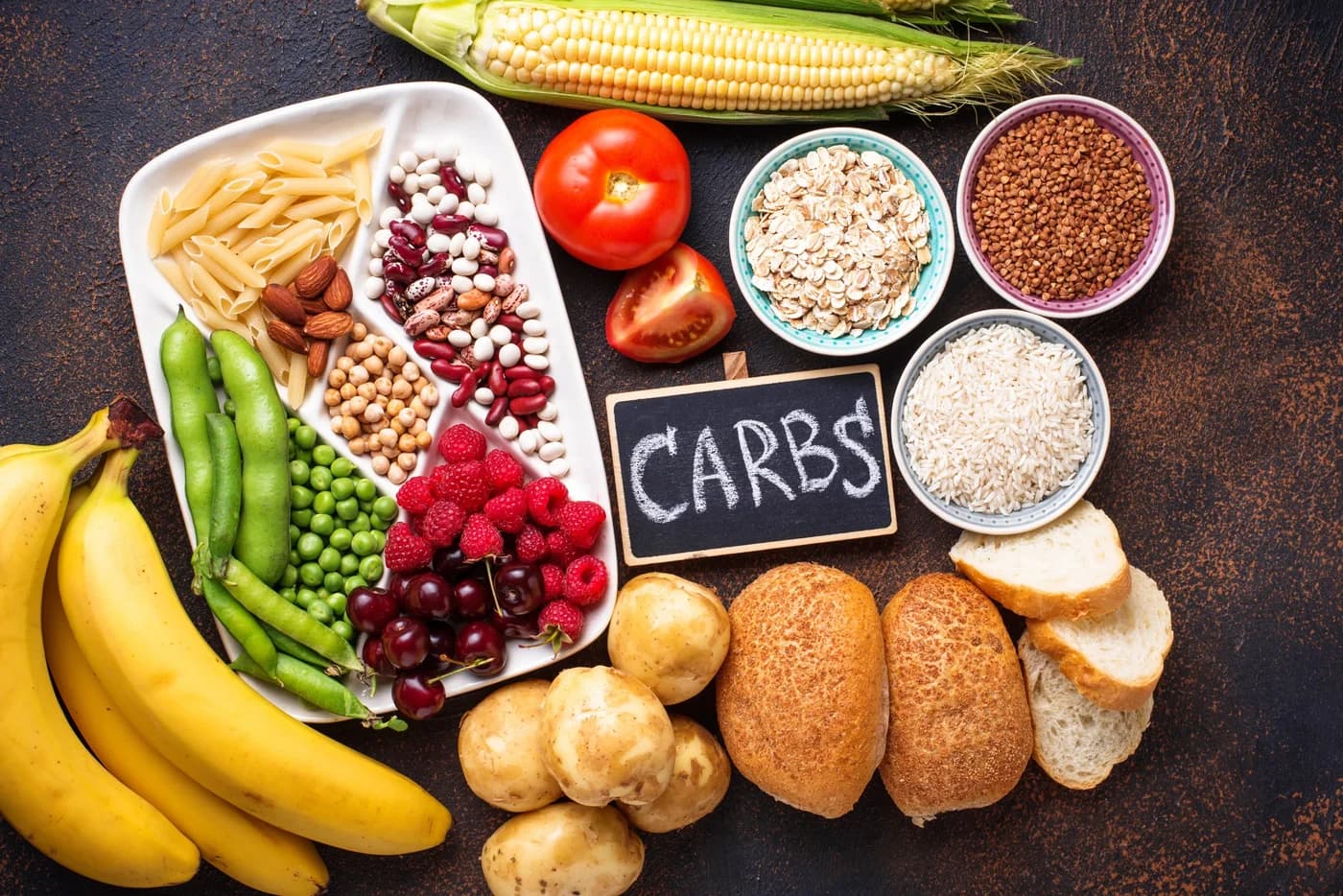
Key Takeaways
- Complex carbs are starch and fibre, made of long chains of sugar units.
- White rice and white flour are complex starch too, but with less fibre than whole grains.
- Pulses such as dal, chana and rajma give starch, fibre and protein together.
- Check the ingredient list: a brown colour or multigrain label does not mean whole grain.
- Add fibre gradually to avoid bloating, and count combined starch at each meal.
Complex carbohydrates are starch and fibre, made of long chains of sugar units. The phrase is often used to praise whole grains and pulses, but it is only part of the story: refined white bread also contains complex starch. The most useful choices bring fibre, nutrients and satisfaction, in a portion that fits your meal. There is no need to fear rice or potatoes because they contain carbohydrate. For a broader overview of carb foods, see our guide to carbohydrate-rich foods.
What makes a carbohydrate complex?
Starch is made of many glucose units linked together. It is found in rice, wheat, oats, millets, corn, potatoes and pulses. Fibre is another group of carbohydrates that the body does not fully digest; it supports bowel health and helps make meals filling. Learn more about the two kinds of fibre in soluble and insoluble fibre.
Refined vs whole grains
When grains are refined, much of the outer bran and germ is removed. White flour and white rice still contain complex starch but usually less fibre than whole grains (compare in whole grains vs polished grains). A packaged "multigrain" loaf may be mostly refined flour with a little of several grains added, so the front of the pack cannot tell you whether it is mainly whole grain.
Carbohydrate is not the same as sugar
Fruit has natural sugars along with water and fibre. Dal contains starch, fibre and protein. Milk contains lactose and protein. Grouping all of these as "bad carbs" loses the differences that matter when planning meals.
Which complex-carb foods are worth eating more often?
Dal, chana, rajma, lobia and other pulses are especially practical because they supply carbohydrate, fibre and protein together. Add a larger bowl of dal to rice, or make chole with vegetables and roti. If pulses cause gas, start with a smaller amount and increase gradually; soaking and thorough cooking help.
Whole-wheat roti, oats, barley, brown rice and millets add fibre and variety. You do not have to switch every grain overnight. Mix brown and white rice if you like the texture, or keep white rice and add beans and vegetables to the plate. A whole grain nobody at home wants to eat is unlikely to become a habit.
Potatoes, sweet potatoes, yam and corn also contain starch and can fit. Boiled potato with chana and vegetables is different from a large serving of fries beside another heavy dish, because preparation changes the energy, salt and fullness.
How much should you serve?
There is no universal katori measure for everyone. Start with a comfortable serving of rice, roti or another starch, a clear protein food and a generous serving of vegetables. If you combine rice, roti and potato in one meal, count the combined starch rather than treating each as a free side. Hunger and activity can guide adjustments.
Complex carbs and diabetes
People with diabetes can eat carbohydrate foods. The amount and how it is spread across meals matter for blood glucose, and responses differ between people. Pulses, whole grains and non-starchy vegetables are helpful, but even fibre-rich starch contains carbohydrate. If you use insulin or another medicine tied to carbohydrate intake, follow your individual meal plan.
What does a better meal look like?
Breakfast could be vegetable oats with curd, or idli with a generous bowl of sambar. Lunch might be rajma with rice and cucumber salad. Dinner could be roti with tofu, dal and seasonal sabzi. These meals pair carbohydrate with protein and vegetables. For a snack, fruit and roasted chana are easier than a special "slow carb" bar.
If you are adding fibre, do it gradually. Switching suddenly to several servings of beans, bran and seeds can cause bloating. For fat loss, fibre-rich foods help you feel satisfied, but portions and overall intake still matter.
Reading bread and cereal labels
Read the ingredient list first. Look for whole wheat, oats or another named whole grain at the start of the list, and compare fibre per serving between similar products. Added sugar, salt and serving size matter too; a brown colour alone does not tell you what the food contains.
Editorial sources
Frequently Asked Questions
Related Articles
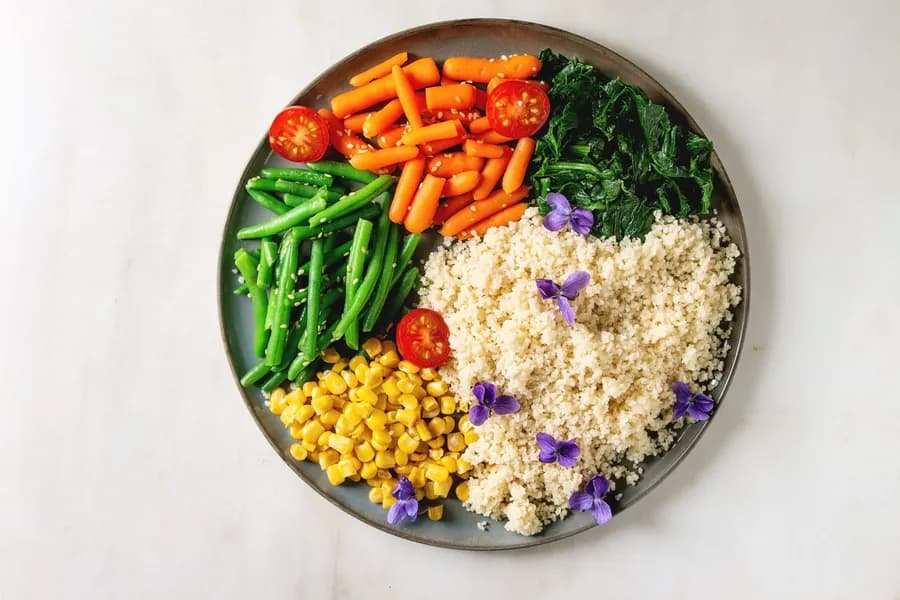
Carbohydrate-Rich Foods: Quality, Portions and Meal Balance
Carbohydrates are the body’s main readily available energy source, from fibre-rich whole grains and pulses to refined sweets.

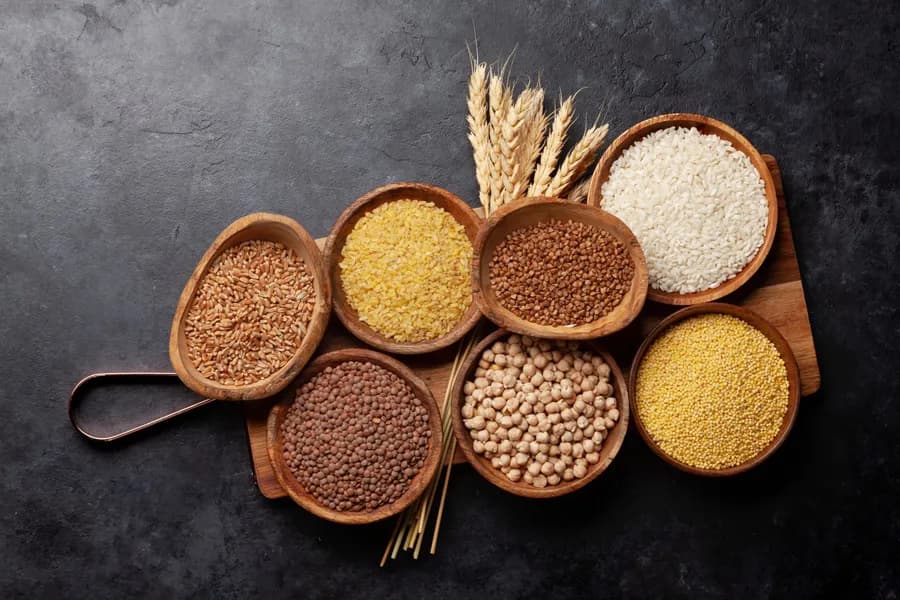
Whole grains vs polished grains: what to choose
Polishing strips grains of fibre and nutrients that whole grains keep intact. See what actually changes, and which to choose.
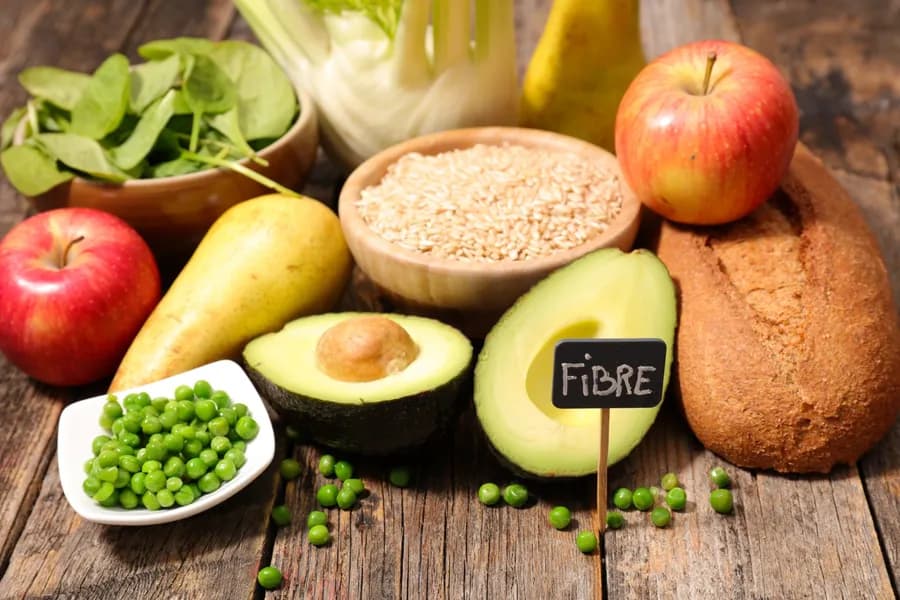
High-Fibre Foods: Simple Indian Meal Ideas
Find high-fibre Indian foods, easy meal ideas, gradual intake tips and practical advice for constipation and daily health.

Low Glycemic Index Foods: What They Are and Why They Matter for Blood Sugar
Low glycemic index foods raise blood sugar slowly and steadily instead of causing a sharp spike. See what glycemic index actually measures, and everyday.