
Coriander Seeds: Nutrition, Uses and Evidence Behind the Claims
Coriander (dhania) seeds explained: flavour and nutrition per teaspoon, evidence on digestion and blood sugar, storage and safety of extracts.

Key Takeaways
- Dhania seeds taste warm and citrusy, unlike fresh cilantro leaves, and are used by the teaspoon.
- A teaspoon adds flavour that can cut salt in dal or sabzi but is not a major nutrient serving.
- Human evidence for treating diabetes, cholesterol or bloating with coriander is limited.
- Cooking amounts are generally safe; oils, capsules and extracts need more caution.
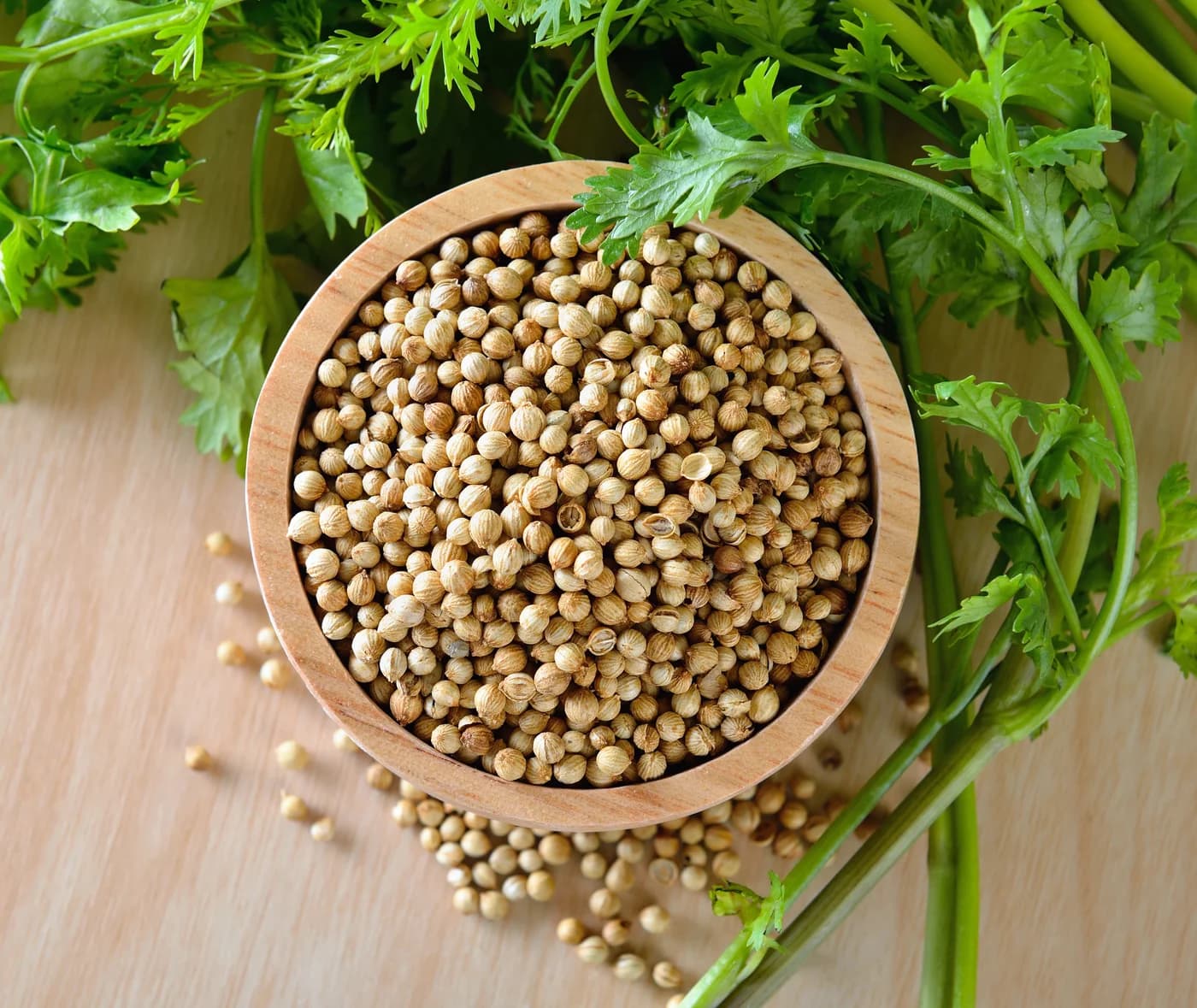
Coriander seeds, or dhania seeds, come from the same plant that gives us fresh cilantro, but they behave like a different ingredient. Their warm, citrusy flavour develops in curries, dals, pickles and spice blends, and they are normally eaten in teaspoon-sized amounts. That makes coriander valuable in the kitchen while keeping claims about blood sugar, digestion or "detox" in sensible proportion.
Seed, powder and leaf are not interchangeable
Fresh leaves offer a bright green aroma, whereas dried seeds taste warm, floral and faintly citrus-like. Whole seeds retain their volatile oils longer than ground powder. Nutrition databases may show impressive values per 100 grams, but a household recipe uses far less, so those figures should not be presented as the contribution of one meal.
What the spice contains
Coriander seed provides fibre, minerals and aromatic compounds, including linalool, when measured in substantial quantities. In an ordinary portion, its main contribution is flavour. That still matters: a well-seasoned dal or vegetable dish may need less salt, sugar or heavy sauce to feel satisfying, and that is one of the more realistic coriander benefits for the wider meal pattern.
Digestive claims
Digestive coriander benefits are among the most widely repeated claims. Traditional cuisines use coriander in dishes associated with digestion, and laboratory studies explore effects on gut movement and microbes. Human evidence is not strong enough to call coriander a treatment for bloating, irritable bowel syndrome or infection. A warm coriander seed infusion may be comforting, but recurring pain, vomiting or bowel changes need an actual diagnosis.
Blood sugar and cholesterol research
Animal and small human studies have examined coriander preparations for glucose and lipid outcomes. Different extracts and doses make the findings difficult to translate into a teaspoon of spice. Someone with diabetes should not reduce medicines because of coriander water; unexpected low readings or symptoms need review with the prescribing clinician. If your aim is better glucose, cholesterol or digestion, begin with established care and a balanced eating pattern.
Whole seeds or ground powder?
Whole seeds are ideal for tempering in oil, pickling or grinding a fresh masala. Powder disperses quickly in gravies but loses aroma sooner. Light dry-toasting deepens the flavour; stop before the seeds darken or smoke. Grinding a small batch at a time gives more aroma without turning cooking into a ritual.
How to cook with coriander seeds
Crush seeds over roasted vegetables, add powder after onions and aromatics have cooked, or combine it with cumin in dal and chana. Coriander also works with lemon, mint and curd in vegetarian marinades. Taste before adding more: stale powder may tempt overuse, while fresh spice needs less to make its presence known.
Buying and storage
Choose seeds that smell clean and citrusy when crushed, without mustiness or visible moisture. Store whole and ground spice in airtight containers away from the stove's steam and sunlight, and label the purchase date. A faded spice is usually a quality problem, but mould, insects or a damp odour mean the container should be discarded.
Allergy and cross-reactivity
Coriander allergy is uncommon but possible, particularly in people reacting to related plants in the carrot family. Stop eating it and seek urgent help for breathing trouble, facial swelling or faintness. Packaged masalas may contain several ingredients, so check the complete label when investigating a reaction rather than blaming the most familiar spice.
Culinary coriander vs concentrated products
A recipe might use one or two teaspoons of ground seed across several servings. Essential oil, capsules and strong extracts concentrate far more plant material and may standardise compounds differently, so evidence about one does not transfer to the other. Evidence for benefit and long-term safety of these products is limited, and interactions with glucose-lowering or blood-pressure medicines are possible. Avoid medicinal doses during pregnancy and breastfeeding unless a qualified clinician has specifically advised them.
The most reliable coriander benefits are flavour, variety and less reliance on salt. Use coriander because it makes nourishing food taste good, not because social media has assigned it a cleansing job. Keep whole seeds for freshness, grind modest amounts and build them into meals with pulses and vegetables.
Editorial sources
Frequently Asked Questions
Related Articles
Ajwain: Benefits, Uses & Ayurvedic Properties
Explore Ajwain in Ayurveda, including traditional uses, properties, preparation guidance, side effects and precautions.

Jeeraka (Svetajiraka): Benefits, Uses & Ayurvedic Properties
Jeeraka (Cuminum cyminum) and Svetajiraka are two forms of cumin revered in Ayurveda for igniting digestive fire, relieving bloating, and supporting.


How to Improve Digestion: Natural Methods through Yoga and Lifestyle
Bloating, constipation, slow transit, acid reflux, and IBS symptoms are ultimately driven by the autonomic nervous system, the gut-brain axis, and.
