
Cumin Seeds: Nutrition, Uses and What Research Shows
Cumin, or jeera, is a strong spice used whole or ground, and small culinary amounts add aroma and some iron. See what research shows.
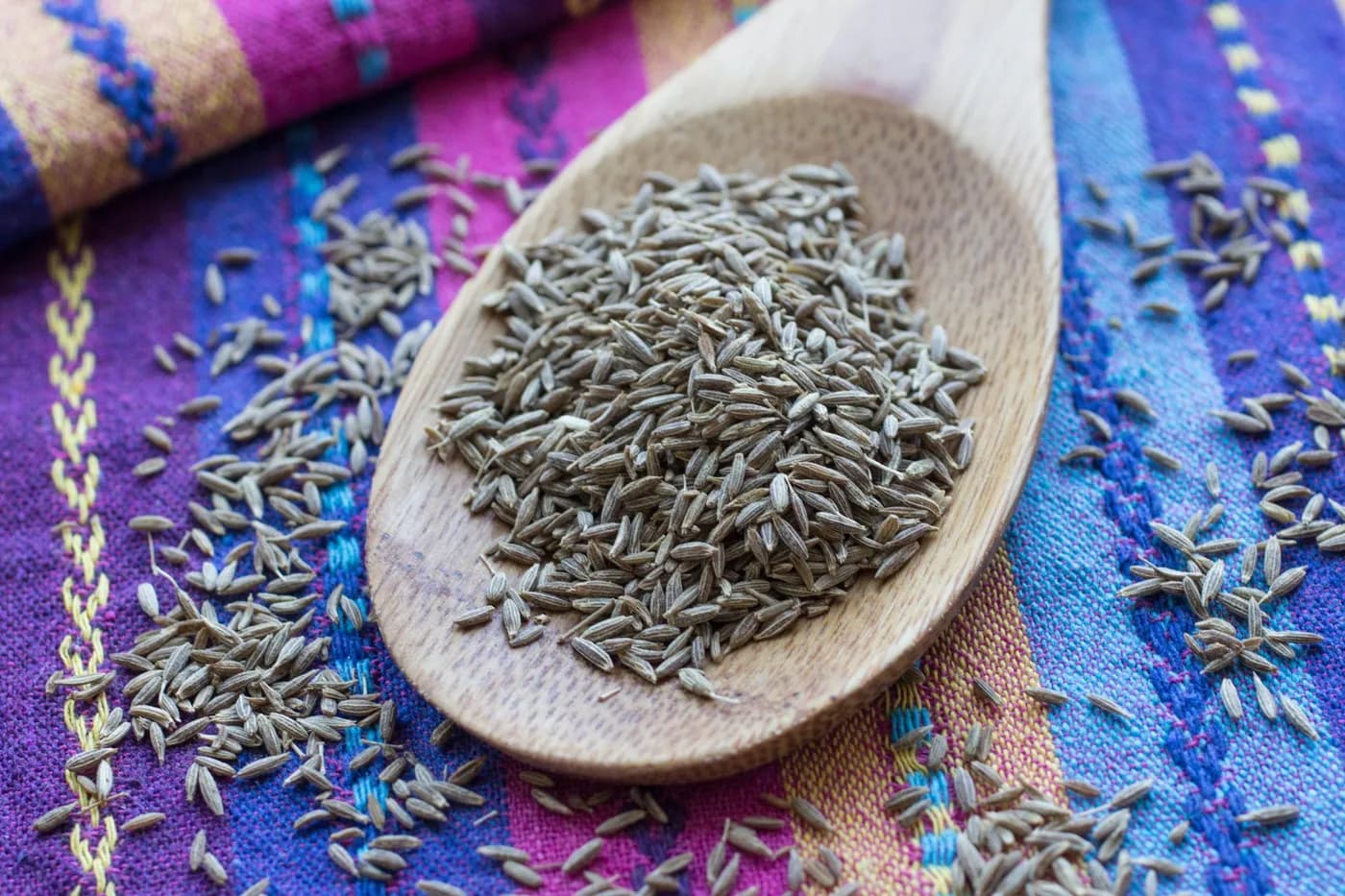
Key Takeaways
- Cumin provides flavour and small amounts of nutrients.
- Normal culinary portions differ from the doses used in clinical studies.
- Research on blood sugar, cholesterol and weight remains limited.
- Jeera water is hydrating but is not a detoxification treatment.
- Concentrated products may interact with medicines.
- A varied diet matters more than relying on one spice.
Cumin seeds, commonly known as jeera, are widely used in Indian tadka, spice blends, curries and drinks. They add a warm, earthy flavour, but the amount normally used in cooking is small.
Research has examined cumin in relation to digestion, blood sugar, cholesterol and weight. Some results are promising, but most studies involve powders, capsules or extracts rather than an ordinary pinch of jeera. Cumin seeds can support a varied vegetarian diet, but they should not be treated as medicine.
What are cumin seeds?
Cumin is a flowering plant whose dried seeds are used as a spice. The seeds may be added whole, roasted or ground into powder.
Whole jeera is commonly added to hot oil during tadka. Ground cumin appears in spice mixtures, raita, chaat, curries and buttermilk. Roasting changes its flavour and aroma but does not turn it into a therapeutic product.
Black cumin, black seed and kala jeera may refer to different plants depending on the region. Research findings about one variety should not automatically be applied to another.
Cumin seeds nutrition
Jeera contains carbohydrate, fibre, fat, protein and minerals, including iron. However, nutritional values are often listed for 100 grams, while a recipe may use only a teaspoon across several portions.
This difference is important. Although the spice is relatively rich in some nutrients by weight, an ordinary serving cannot meet an adult’s daily iron, protein or fibre requirements.
Vegetarians should obtain iron from varied foods such as pulses, beans, soy foods, seeds, fortified products and leafy vegetables. Pairing plant-based iron sources with vitamin C-rich foods can support absorption.
Habuild’s guide to iron-rich foods offers practical vegetarian combinations.
Possible cumin seeds benefits
Flavour without excessive salt
One of the most practical benefits is flavour. Roasted or ground jeera can add depth to dal, vegetables, curd and salads without requiring large quantities of salt, sugar or rich sauces.
This may help make simple home-cooked meals more appealing. However, packaged spice blends containing cumin may also contain considerable sodium. Check the ingredient list instead of assuming every blend is low in salt.
Digestion and digestive comfort
Cumin has traditionally been used after meals and in digestive preparations. Its aroma and flavour may complement foods such as buttermilk, raita and dal.
Some laboratory and small human studies have examined its effects on digestive enzymes and symptoms. The evidence is not strong enough to conclude that cumin seeds cure indigestion, acidity, irritable bowel syndrome or constipation.
Large amounts may worsen heartburn or stomach discomfort in some people. Persistent pain, vomiting, difficulty swallowing, black stools or unexplained weight loss requires medical assessment.
Blood sugar
Clinical studies have explored whether cumin powder or concentrated preparations may affect fasting blood glucose and other markers. Results have varied, and studies differ in dose, duration and participant characteristics.
A culinary amount in tadka is not equivalent to the concentrated doses used in research. People with diabetes should not replace prescribed treatment with cumin seeds or jeera water.
Concentrated supplements may add to the effects of glucose-lowering medicines. Regular users should monitor their blood sugar as advised and discuss supplement use with a qualified clinician.
Cholesterol and heart health
Some small studies suggest that cumin preparations may influence cholesterol or triglyceride levels. The evidence is not sufficient to show that the spice prevents heart disease.
Heart health depends on the overall eating pattern, physical activity, sleep, smoking, blood pressure, blood glucose and prescribed treatment. Adding jeera to fried or highly salted food does not change the nutritional quality of the entire dish.
Use spices as part of meals containing vegetables, pulses, whole grains and suitable unsaturated fats. Habuild’s everyday diet and nutrition guide can help with overall meal balance.
Weight management
Cumin is sometimes promoted as a fat-burning spice. A few small trials have reported changes in weight or waist measurements after using specific amounts of powder or supplements.
These findings do not prove that ordinary cumin seeds cause meaningful weight loss. The spice does not melt abdominal fat, block calories or compensate for an unbalanced diet.
Using it to flavour satisfying meals can support a sustainable eating pattern, but weight trends depend on total intake, activity, sleep, medicines and health conditions.
Antioxidant compounds
The seeds contain naturally occurring plant compounds with antioxidant activity in laboratory testing. Antioxidants help protect cells from oxidative damage, but laboratory findings do not establish that a food cures disease in humans.
There is no need to consume large quantities or concentrated extracts to obtain antioxidants. Vegetables, fruits, pulses, nuts, seeds, herbs and spices collectively provide a wider range of plant compounds.
Jeera water: benefits and limitations
Jeera water is usually prepared by soaking the seeds overnight or boiling them briefly in water. It can be consumed warm or cool.
The drink may encourage fluid intake and provide flavour without added sugar. A few compounds from the seeds may enter the water, but most of the fibre and several nutrients remain in the seeds.
Jeera water does not detoxify the liver, cleanse the kidneys or burn fat. The body already processes and removes waste through organs such as the liver, kidneys, lungs and digestive system.
There is no compulsory time to drink it. Consuming it on an empty stomach has not been proven to provide special benefits. Stop if it repeatedly causes nausea, acidity or discomfort.
How to use cumin seeds in vegetarian meals
Practical options include:
- Add a small amount of whole jeera to tadka.
- Use roasted powder in plain curd or raita.
- Sprinkle it over chana, rajma or moong salad.
- Add it to vegetable soups and stews.
- Mix ground cumin into homemade hummus.
- Use it in chaas with mint and coriander.
- Include it in dry spice blends.
- Add it to rice, khichdi or millet dishes.
- Combine it with lemon and herbs in salad dressing.
Using a measured amount provides flavour without overwhelming the dish. Rotating different spices also creates variety.
Whole seeds, powder or supplements?
Whole seeds retain their flavour longer when stored properly. Ground powder is convenient but loses aroma more quickly after opening.
Both forms can be used in cooking. Choose according to the recipe rather than assuming one is substantially healthier.
Capsules and extracts are different. They may deliver much larger or more concentrated amounts than food. Product quality can vary, and a “natural” label does not guarantee safety.
Avoid stacking jeera powder, herbal mixtures and capsules without checking their combined dose.
Roasting and grinding
Dry roasting can strengthen the aroma. Heat a small quantity gently and remove it when fragrant. Burning creates a bitter taste and may reduce quality.
Allow roasted seeds to cool before grinding. Store the powder in a clean, airtight container away from heat, light and moisture.
Do not prepare a very large batch if it will remain unused for months. Freshly ground spice generally offers better flavour.
Possible side effects
Culinary portions are usually well tolerated. Larger amounts or supplements may cause:
- Heartburn or stomach irritation
- Nausea
- Loose stools
- An allergic reaction
- A greater-than-expected reduction in blood sugar
Stop using the product and seek urgent medical help if it causes breathing difficulty, facial or throat swelling, faintness or widespread hives.
Do not test a suspected spice allergy at home.
Medicines, surgery and medical conditions
Concentrated cumin products may affect blood glucose and could interact with diabetes treatment. Anyone taking regular medicine should check with a pharmacist or clinician before using a supplement.
Stop or adjust herbal products before surgery only according to the surgical team’s instructions. Their effects on blood sugar or clotting may be relevant.
People with liver, kidney, digestive or hormonal conditions should not use concentrated extracts as self-treatment.
Pregnancy, breastfeeding and children
The small quantities commonly used to flavour food differ from medicinal or supplement doses.
Safety information for concentrated products during pregnancy and breastfeeding is limited. Avoid capsules, extracts or unusually large amounts unless a qualified clinician recommends them.
Do not give concentrated preparations or strongly brewed jeera water to infants and young children without advice from a paediatric professional.
Buying and storage
Choose sealed products with clear batch and best-before information. The seeds should smell aromatic and appear dry, without mould, insects or moisture.
Store them in an airtight container away from the stove and direct sunlight. Discard the spice if it develops mould, an unusual odour or signs of infestation.
Purchase amounts that can be used while the aroma remains fresh.
What cumin seeds cannot do
Cumin seeds cannot cure diabetes, eliminate belly fat, reverse high cholesterol or detoxify the body. They also cannot correct iron-deficiency anaemia when used only as a spice.
Their most dependable role is culinary. Jeera provides aroma, warmth and flavour that can make balanced vegetarian meals enjoyable.
Sources
Frequently Asked Questions
Related Articles
Healthy fats: why your body needs fat
Healthy fats help your body absorb vitamins and support brain, hormones, joints, cells and daily meals. Learn simple vegetarian sources and habits.

Good fats vs bad fats: choose fats wisely
Understand good fats vs bad fats in simple words. Learn which vegetarian fats to choose, what to reduce and how to read food labels better.
