
Diet for Lactating Mother: Foods That Support Healthy Breastfeeding
Breastfeeding raises daily calorie and nutrient needs considerably, and a well-planned diet supports steady milk supply and recovery after childbirth..
Key Takeaways
- Breastfeeding raises daily needs by roughly 400-500 kcal and 25g more protein.
- Fenugreek seeds, oats, and garlic are traditional galactagogues used across generations.
- The biggest driver of milk supply is how often a baby feeds, not any single food.
- Breast milk is roughly 90% water, so fluid intake needs to rise to 3-3.5 litres daily.
- A lactation consultant should be the first call if supply feels genuinely low.
A well-planned diet for lactating mother is one of the simplest, most practical ways to support steady breast milk supply and rebuild energy after childbirth. Breastfeeding raises your daily calorie and nutrient needs considerably, and what you eat has a real effect on your own recovery, mood, and stamina during those exhausting early months.
What a Diet for Lactating Mother Should Include
Here’s the quick version before the details:
- Extra calories: roughly 400-500 kcal more per day than your pre-pregnancy needs
- Protein at every meal: dals, paneer, curd, tofu, soy chunks, or nuts
- Traditional galactagogues: fenugreek (methi) seeds, oats, garlic, sesame seeds, and fennel
- Plenty of fluids: 3-3.5 litres a day, since breast milk is roughly 90% water
- Calcium and iron: dairy, ragi, leafy greens, and jaggery to rebuild stores used during pregnancy
- Healthy fats: ghee, nuts, and seeds for calorie density and steady energy
Foods That May Help Boost Milk Supply
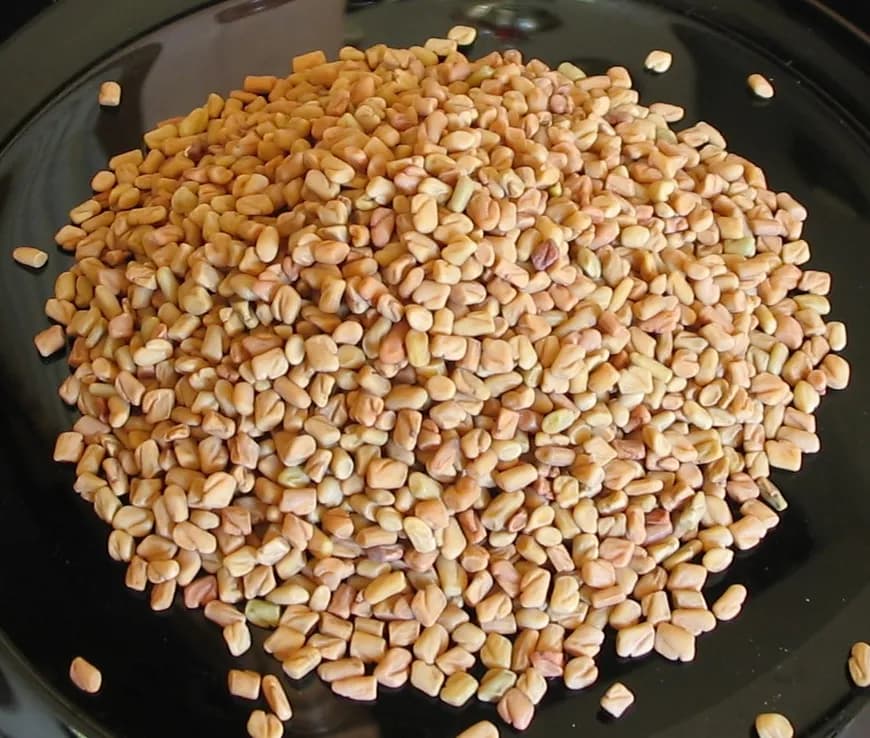
Certain foods have been used across generations in Indian households to support lactation. Fenugreek seeds, often soaked overnight or added to laddoos, are among the most commonly recommended galactagogues. Oats add fibre and calories together, while garlic, cumin, and fennel are gentler additions many mothers already cook with daily. Together, these traditional choices form the backbone of most diet for lactating mother advice passed down in Indian households.
It’s worth being honest here: the single biggest driver of milk supply is how often and effectively a baby feeds or a pump removes milk — not any one food. Diet supports the process, but frequent feeding is what actually signals your body to keep producing. If supply feels genuinely low or your baby isn’t gaining weight well, a lactation consultant or paediatrician should be your first call, not just a change in diet. Even so, a thoughtful diet for lactating mother remains worth getting right, since it supports your own recovery even when it’s not the main lever for supply.
Photo: Devika_smile, CC BY-SA 2.0, via Openverse
Hydration, Calories, and Protein Needs While Breastfeeding
Thirst often spikes noticeably during breastfeeding, and it’s easy to under-drink when you’re busy or sleep-deprived. Keeping a water bottle within reach during feeds is a simple habit that helps. Alongside fluids, protein needs go up by about 25 grams a day compared to before pregnancy — an extra bowl of dal, a boiled egg, or a glass of milk can cover most of that gap. These small additions add up to a genuinely adequate diet for lactating mother without requiring a complete overhaul of how you already eat.
A typical Indian thali already covers much of this ground: dal or legumes for protein, a vegetable sabzi, roti or rice, curd for calcium, and a source of healthy fat like ghee. Caffeine and alcohol are best kept minimal, since both pass into breast milk in small amounts. If your baby seems unusually fussy or gassy after you eat certain foods like cabbage, onion, or very spicy dishes, it’s reasonable to reduce them temporarily and watch for a pattern, though most babies tolerate a normal varied diet without issue. A flexible diet for lactating mother that adapts to your baby’s cues, rather than following a rigid list, tends to work best in practice.
Many of the same nutrients that support milk supply here also mattered earlier on — a diet to enhance fertility and the vitamins that help balance hormones for females draw on a similar foundation of protein, healthy fats, and key minerals. A dedicated postpartum recovery diet (coming soon) will pick up where this leaves off, once breastfeeding itself is well established.
Common Mistakes to Avoid
Cutting calories to lose baby weight quickly is one of the biggest mistakes in a diet for lactating mother, since dropping below roughly 1,800 calories a day can reduce milk supply and leave you exhausted — postpartum weight loss should happen gradually, usually after the first six weeks and with your doctor’s input. Another common mistake is under-drinking water because bathroom trips feel inconvenient with a newborn; a genuinely supportive diet for lactating mother depends on staying ahead of thirst rather than catching up on it. Some mothers also eliminate entire food groups (dairy, gluten, all spices) preemptively based on internet advice, without any actual sign their baby is reacting — this can create real nutrient gaps for no benefit. Finally, relying only on herbal galactagogue supplements or teas bought online, without medical guidance, can be risky, since dosing and quality aren’t well regulated the way food sources are.
How Much Water and Food Is Actually Enough?
A helpful way to gauge whether your diet for lactating mother is on track: your urine should be pale yellow, not dark, and you shouldn’t feel persistently thirsty between feeds. On calories, most exclusively breastfeeding mothers need about 2,300-2,500 total calories a day, though this varies with body size and activity — this isn’t a number to track obsessively, but a rough sense-check if you’re eating very little due to newborn chaos. If you’re consistently too exhausted or nauseated to eat proper meals, smaller, more frequent snacks (a handful of nuts, a glass of milk, a banana) can keep your intake steady without requiring you to sit down for a full thali every time.
Frequently Asked Questions
Related Articles

Diet for Strength Training: a Practical Eating Guide for Muscle and Recovery
Explore protein, carbohydrates, healthy fats and meal planning for strength training, muscle building and recovery.
Best Diet Plan for Muscle Building
A consistent supply of protein, quality carbohydrates, and healthy fats repairs muscle tissue and fuels workouts — training is only half the equation. See what the right nutrition looks like.

Strength Training Diet: Nutrition Guide for Better Results
Discover the best strength training diet to fuel your workouts, build muscle, and improve performance. Start your 14-day free trial trial with Habuild today.