Epsom salt: uses, evidence and safety
Epsom salt baths are popular for sore muscles and relaxation. Learn what the evidence says, how to soak safely and why swallowing it can be risky.

Key Takeaways
- Epsom salt is magnesium sulfate, not table salt.
- A warm bath may relax you, but skin absorption is not well proven.
- Do not swallow Epsom salt unless a clinician directs you.
- Avoid a soak on broken skin or when heat may be unsafe.
Epsom salt baths are popular for sore muscles and relaxation. Learn what the evidence says, how to use a bath safely and why swallowing it can be risky.
What is Epsom salt?
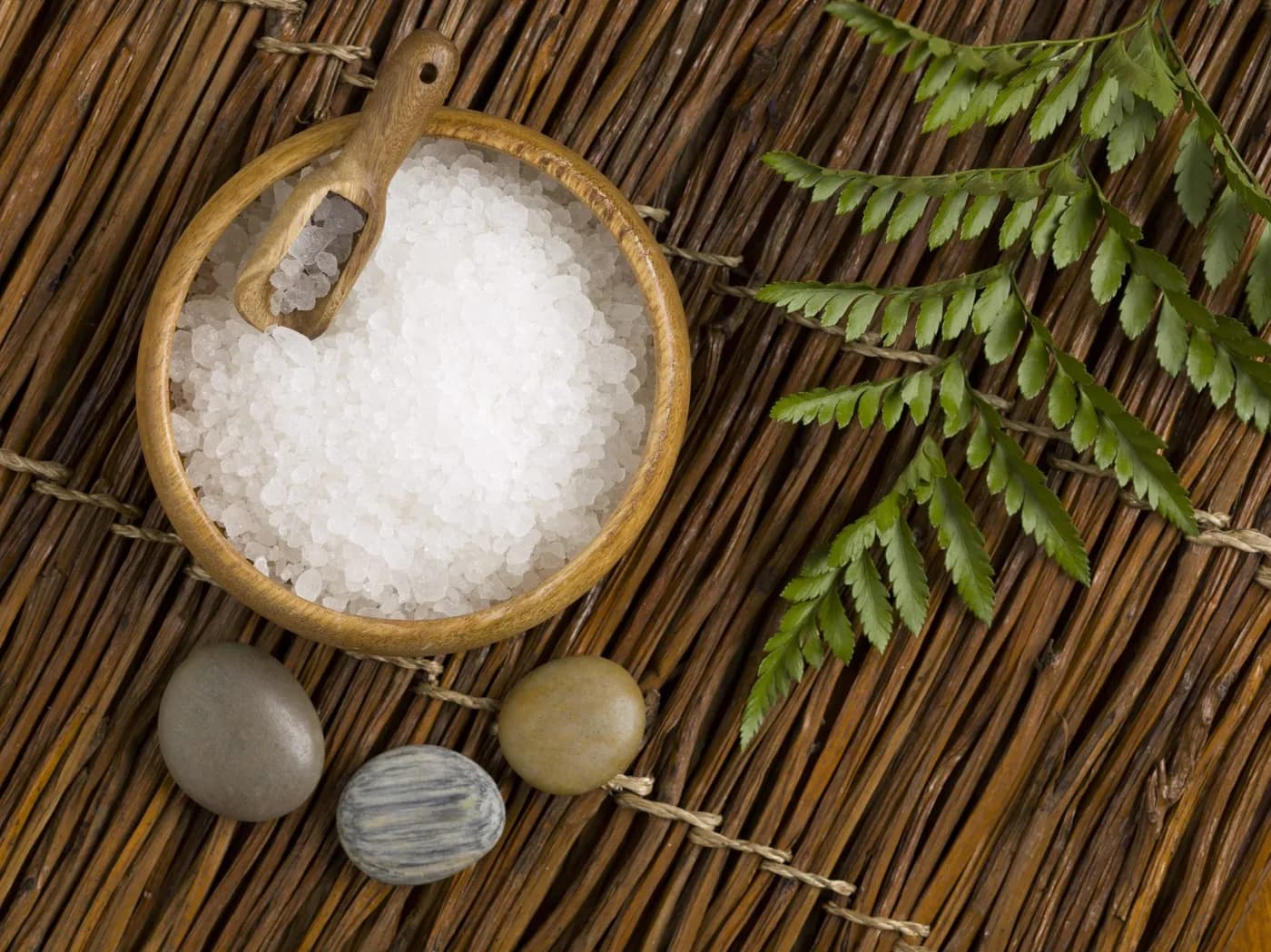
Epsom salt is magnesium sulfate. The crystals dissolve in water and are often added to baths or foot soaks. Despite the name, it is chemically different from table salt.
Magnesium is an important mineral for muscles, nerves and many body processes. This does not mean a bath is an effective way to correct low magnesium.
People use Epsom salt baths for muscle soreness, stress, swelling and skin comfort. The warm water itself can feel soothing and may be the main reason a bath helps.
Does magnesium pass through the skin?
Healthy skin is designed to keep many substances out. A review of transdermal magnesium research concluded that claims of meaningful magnesium absorption through the skin were not supported by strong evidence. (1)
A small pilot study of magnesium cream involved only 25 people and lasted two weeks. It suggested possible changes in some magnesium measures, but the results were not enough to prove that an Epsom salt bath treats deficiency. (2)
If a blood test shows low magnesium, ask about the cause and proper treatment. Food or an oral medical supplement has much clearer dosing than a bath.
Do Epsom salt baths help sore muscles?
There are not enough good trials to show that Epsom salt works better than a plain warm bath for everyday muscle soreness.
Warm water can help you relax and may temporarily ease stiffness. Rest, gentle movement, sleep and an appropriate recovery plan also matter. Pain after a new workout usually settles, but severe or worsening pain needs assessment.
Do not use a bath to cover a possible injury. Seek help for major swelling, weakness, numbness, a hot red joint, fever or dark urine after intense exercise.
How to take an Epsom salt bath safely
- Read the product label because directions and purity can differ.
- Use a clean bath with comfortably warm, not very hot, water.
- Add only the labelled amount and let it dissolve.
- Soak for a short, comfortable time.
- Get out slowly to avoid dizziness.
- Rinse if the product irritates your skin.
- Drink normal fluids after the bath.
- Stop if you feel faint, nauseated, itchy or short of breath.
Do not mix Epsom salt with essential oils or fragrances unless you know they are safe for your skin. Added ingredients can cause irritation or allergy.
For related reading, see Magnesium Rich Foods and क्या Exercise Daily करना चाहिए? जानें सही जवाब.
A foot soak can soften skin, but it does not treat a fungal infection, infected wound or diabetic foot problem. Dry carefully between the toes.
Can you drink Epsom salt?
Some products are labelled as a saline laxative, but swallowing magnesium sulfate can cause strong diarrhoea, cramping, dehydration and electrolyte problems. Wrong products or wrong amounts can be dangerous.
Severe magnesium toxicity is more likely when the kidneys cannot remove extra magnesium. A published poisoning report described serious illness after Epsom salts were swallowed as part of a “liver cleanse.” (3)
Never use bath-grade or fragranced Epsom salt as food. Do not use it for a cleanse, weight loss or regular constipation treatment. Ask a pharmacist or doctor for a safer option.
Epsom salt and magnesium deficiency
Bathing should not replace testing or treatment. Low magnesium may be linked to poor intake, diarrhoea, alcohol use, certain medicines or kidney and digestive conditions.
Food sources include nuts, seeds, beans, whole grains and leafy vegetables. If a supplement is needed, dose and form should match your health needs.
A simple relaxation habit
If you enjoy baths, make the habit about winding down rather than “detox.” Choose a safe time, keep the water comfortably warm and leave your phone outside the bathroom.
Try a plain warm bath on one day and an Epsom salt bath on another. Notice comfort, skin reaction and sleep. If both feel the same, plain water may be simpler and cheaper.
For more recovery habits, read Habuild’s guide to rest and wellbeing.
Who should be careful?
Ask a clinician before an Epsom salt bath if you have kidney disease, heart disease, very low blood pressure, diabetes with foot problems, poor circulation or reduced skin sensation.
Avoid soaking broken, infected or badly inflamed skin unless a healthcare professional recommends it. Hot baths may be unsafe during some pregnancies or health conditions.
Children and older adults may become overheated or dizzy more easily. Never leave a child or a person at risk of fainting alone in a bath.
Frequently Asked Questions
Related Articles
Baking Soda Uses: Health Claims and Safety
Understand safe baking soda uses, why home-remedy doses can be dangerous, sodium concerns and when to contact Poison Control.


Bharangi: Benefits, Uses & Ayurvedic Properties
Bharangi (Clerodendrum serratum) is a classical Ayurvedic herb for asthma, sinusitis, and chronic cough. Explore its properties, dosage, and evidence-based respiratory benefits.