
Erythritol: Uses, Limits and What the Evidence Says
Erythritol adds sweetness with almost no calories or glucose spike, but gut tolerance and new heart research are reasons to keep amounts modest.
Key Takeaways
- Erythritol is a sugar alcohol with almost no calories and little effect on blood glucose.
- Sugar-free products can still be high in refined flour, fat and total calories.
- Large amounts can cause bloating or diarrhoea, especially mixed with other polyols.
- A 2023 study linked high blood erythritol to heart events; it does not prove cause.
- Use it as a bridge away from sugar, not as licence for daily sugar-free desserts.
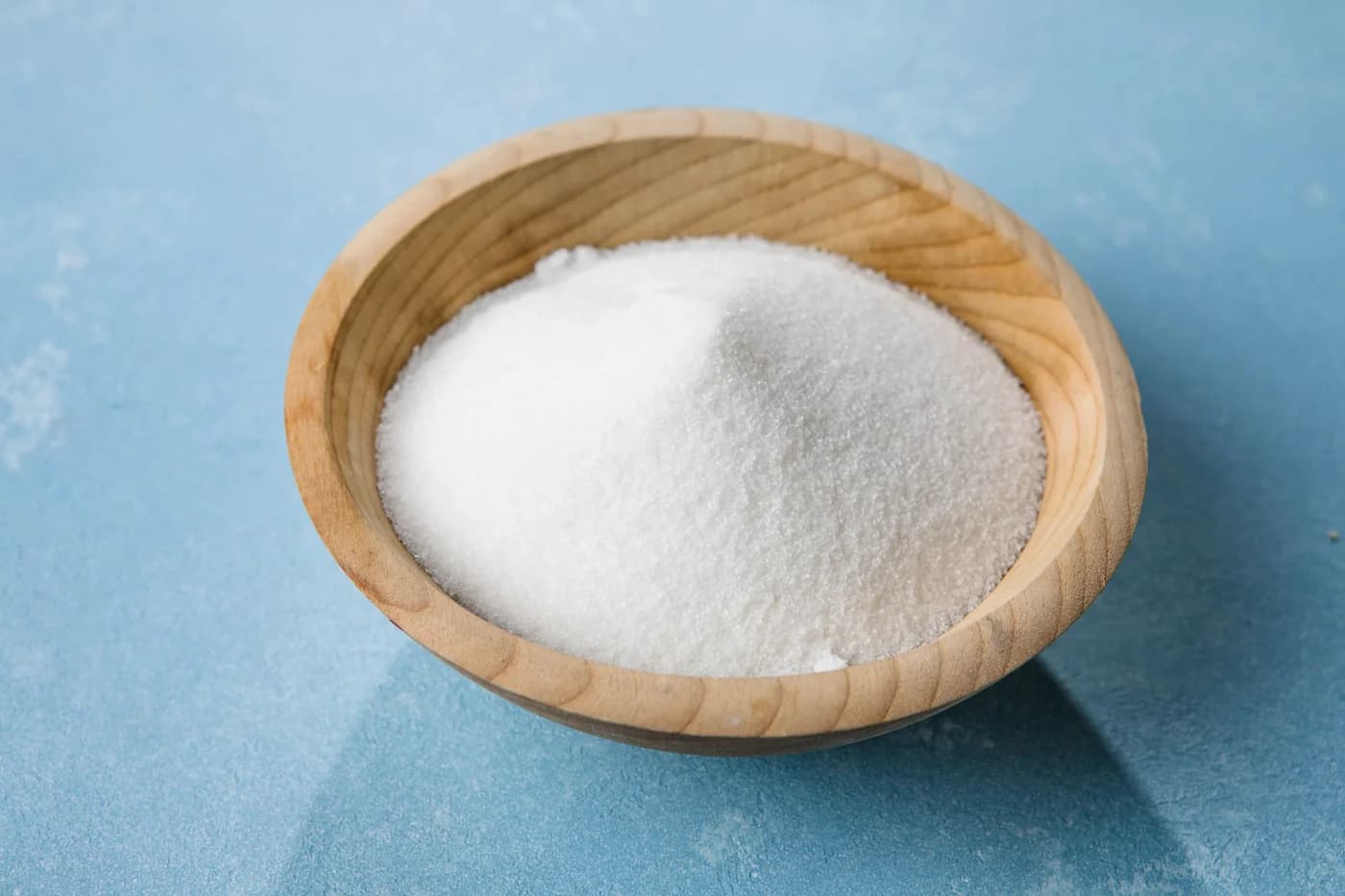
Erythritol is a sugar alcohol used to sweeten drinks, desserts, chewing gum and low-sugar packaged foods. It provides sweetness with very little usable energy and has a small immediate effect on blood glucose, which makes it attractive to people cutting down on sugar. That does not make it a health food or prove that unlimited intake is safe. Recent observational research has also raised questions about cardiovascular risk, though it cannot show that eating erythritol caused those outcomes. A measured, evidence-aware approach is more useful than either panic or a free pass.
Erythritol is popular with people on low-carbohydrate diets and those managing diabetes. Marketing can make these products seem interchangeable with whole foods, but a sweetener adds no fibre, protein, vitamins or minerals. Compare the product with what it replaces: a lower-sugar curd may be a useful swap, while a large daily dessert is still a dessert even if its sweetener has almost no calories.
What exactly is erythritol?
Erythritol belongs to the polyol (sugar-alcohol) family, although it is neither table sugar nor drinking alcohol. Small amounts occur naturally in some fruits and fermented foods, and commercial erythritol is usually made by fermenting glucose. It is about 60–70% as sweet as sugar, so manufacturers often blend it with stevia, monk fruit or other high-intensity sweeteners. Read the ingredient list, because a product promoted around erythritol may get much of its sweetness from another compound.
Most absorbed erythritol leaves the body unchanged in urine instead of being used for energy. That is why it contributes almost no calories and produces little rise in glucose or insulin. However, a biscuit made with erythritol can still contain refined flour, saturated fat and plenty of calories. "Sugar-free" describes one feature, not overall nutritional quality.
Erythritol is also kind to teeth. Mouth bacteria do not ferment it the way they ferment sugar, so it does not feed tooth decay, which makes erythritol-sweetened gum preferable to sugar-sweetened gum. It still cannot remove plaque or repair cavities.
Does it help with diabetes?
Replacing a sugar-sweetened drink or dessert with a genuinely lower-carbohydrate option reduces the immediate glucose load, and erythritol can help with that swap. People with diabetes should still check total carbohydrate, serving size and other ingredients, because maltodextrin, flour, fruit concentrates or other sweeteners change the response. Your own glucose readings are more reliable than assuming every sugar-free label behaves the same.
Sweetener swaps work best alongside regular meals, adequate protein and fibre, suitable portions, physical activity and prescribed medicines. They do not reverse diabetes. Gradually using less sweetness in tea, coffee and home cooking may be simpler than finding a substitute for every sweet food. Note that the WHO advises against relying on non-sugar sweeteners for weight control; its guideline does not cover sugar alcohols such as erythritol, but the broader message, to reduce overall sweetness, still applies.
Can it disturb digestion?
Compared with sorbitol or maltitol, erythritol is usually better tolerated because most of it is absorbed before reaching the colon. Large amounts can still cause nausea, bloating or diarrhoea, and sensitivity varies. Products often combine erythritol with inulin, sorbitol or other fermentable ingredients, so the named sweetener may not be the only trigger.
If a product causes symptoms, reduce the serving and check the full ingredient list, changing one thing at a time. People with irritable bowel syndrome may need individual guidance when several low-sugar foods are used together. Severe pain, persistent diarrhoea, bleeding or unexplained weight loss should not be blamed on a sweetener without medical assessment.
What about heart concerns?
A 2023 study published in Nature Medicine reported that people with higher blood erythritol levels had more heart attacks and strokes over three years, and laboratory experiments suggested erythritol may make platelets more prone to clotting. In a small part of the study, a drink containing 30 g of erythritol raised blood levels sharply for several days. These findings deserve attention, but they do not prove that ordinary dietary erythritol causes heart attacks. The body also makes erythritol itself, and people with metabolic illness may have higher levels for reasons the study could not fully separate.
Until longer-term trials clarify this, there is no reason to consume large daily doses just because erythritol is low in calories. If you have heart disease or several risk factors, discuss regular use with your doctor. The practical response is modest: use sweetened products occasionally, compare them with unsweetened options, and avoid stacking several erythritol-based bars, drinks and desserts every day.
How should you use it?
In home cooking, start with less than a recipe suggests and judge sweetness and texture. Erythritol can feel cool in the mouth, may crystallise, and does not brown or keep baked goods moist the way sugar does. Store it dry and sealed.
The most practical use is as a bridge away from frequent added sugar, not as permission for unlimited sweets. Water, unsweetened tea, whole fruit and minimally sweetened meals remain reliable defaults. If you dislike the taste or it upsets your gut, you do not need it at all. Compare it with other options in our guides to monk fruit sweetener and stevia.
The bottom line
Erythritol can help reduce sugar, but it does not make every sweetened product healthy. Use modest amounts, watch your digestive tolerance and stay open to emerging safety evidence.
Editorial sources
Frequently Asked Questions
Related Articles

Monk Fruit Sweetener: Uses, Blends and Safety
Monk fruit extract is intensely sweet, but most packets are blends. Here is what the label tells you about taste, glucose and digestion.


Stevia: Benefits, Uses & Ayurvedic Properties
Stevia (Madhupatra) is a natural, calorie-free sweetener with powerful Ayurvedic benefits for blood sugar regulation, weight management, liver health.

What Is Maltodextrin? Uses, Blood Sugar and Safety
Maltodextrin is a rapidly digested carbohydrate made by partially breaking down starch from corn, rice, potato, wheat or another source.

How to Reduce Sugar Cravings: Why They Happen and What Helps
Sugar cravings are rarely just about willpower — they’re usually your body responding to blood sugar swings, poor sleep, or stress. See what actually.
