
Vitamin B Rich Foods: Sources, Functions and Deficiency Risks
The B-vitamin family includes thiamin, riboflavin, niacin, pantothenic acid, vitamin B6, biotin, folate and vitamin B12.
Key Takeaways
- B vitamins have different functions and food sources.
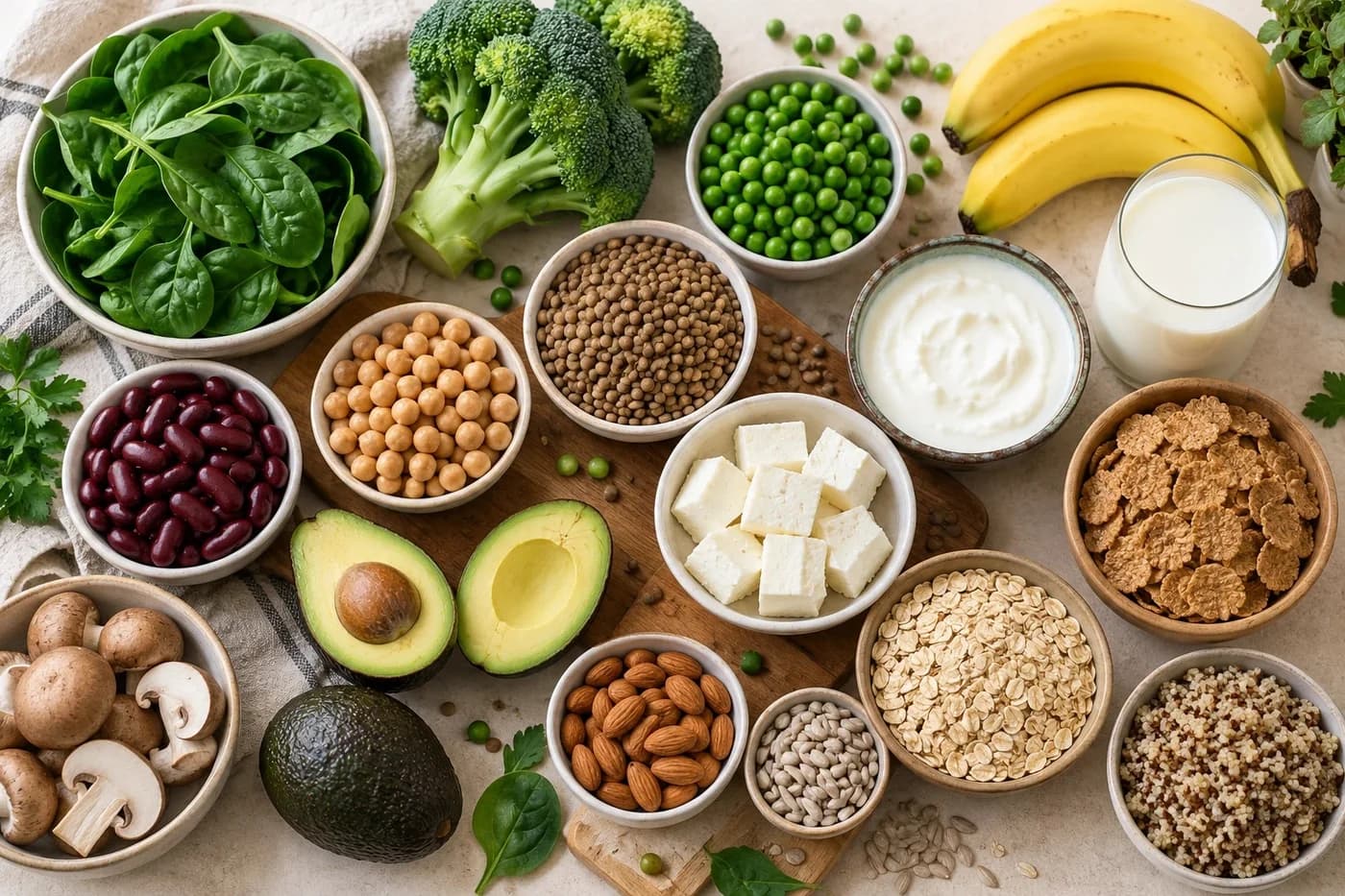
- Whole grains, pulses, nuts, seeds, dairy and vegetables provide several B vitamins.
- Vitamin B12 is naturally concentrated mainly in animal-derived foods.
- High-dose supplements can cause harm and may hide another deficiency.
The B-vitamin family includes thiamin, riboflavin, niacin, pantothenic acid, vitamin B6, biotin, folate and vitamin B12. No single food supplies every B vitamin in equal amounts. A varied diet usually covers many needs, while vitamin B12 requires particular attention in vegan diets. This guide examines the vitamin option without overstating what one food, habit or supplement can do.
Vitamin b rich foods beyond the headline
B vitamins help release energy from food and support blood cells, nerves and DNA-related processes. They do not provide energy like calories and do not act as stimulants. Fortification patterns differ between countries and brands, so labels matter.
How to assess vitamin B rich foods claims
Research on vitamin B rich foods needs to be matched to the preparation actually discussed. A finding from an extract, tablet or tightly controlled intervention may not describe an ordinary meal or household product. Useful studies state who participated, what was compared and whether the outcome made a practical difference.
How to interpret claims about the vitamin option
The relevance of vitamin B rich foods depends on the person as much as the ingredient. Age, symptoms, allergies, medicines, pregnancy, activity and the rest of the diet can change both benefit and risk. Advice should therefore be proportionate to the evidence rather than presented as a universal rule.
Easy ways to include the vitamin option
- Rotate dals, beans, whole grains, nuts and seeds.
- Include milk, curd or eggs if they suit your diet.
- For vegan eating, plan a reliable vitamin B12 source rather than relying on spirulina or fermented foods.
- Check fortified cereal or plant-milk labels for the exact vitamin and serving.
For vitamin B rich foods, practicality matters: the best option is one that can be used safely, afforded consistently and integrated without unnecessary restriction. Record the amount or method when monitoring an outcome, and set a reasonable point for deciding whether to continue.
Serving size and food safety
Cooking does not make vitamin B rich foods automatically better or worse. Heat, soaking, grinding and added ingredients change different qualities in different ways. Use a familiar portion, follow food-safety guidance and choose a method that makes the food enjoyable without turning it into a remedy.
Possible drawbacks and warning signs
High-dose vitamin B6 taken over time can damage nerves. Excess folic acid can mask B12 deficiency. Niacin supplements can cause flushing and liver injury at therapeutic doses. Fatigue, numbness, tongue soreness or anaemia needs assessment rather than a random B-complex.
Safety advice for vitamin B rich foods should reflect the actual form and amount. Stop for a suspected allergic reaction or significant new symptoms, and seek urgent help for breathing difficulty, collapse or severe swelling. Pregnancy, breastfeeding, childhood and chronic disease often require more individual guidance.
Putting the vitamin option into perspective
The best conclusion about vitamin B rich foods is neither automatic approval nor fear. Consider the evidence, the complete diet or treatment plan and personal tolerance. Continue only when there is a clear reason, and use professional assessment when symptoms or medicines make the decision more complex.
Comparing options without the hype
The usefulness of vitamin B rich foods depends on the decision it supports. Ask whether the information applies to a food, supplement, symptom or clinical treatment, because each requires a different standard of evidence. Then compare the proposed choice with the realistic alternative. Adding something nutritious may help, but replacing a balanced meal or delaying appropriate care can change the conclusion completely. This comparison is more informative than asking whether the topic is simply good or bad.
Availability and consistency matter in practice. An expensive or complicated approach is unlikely to be sustained, even when it appears attractive on paper. For vitamin B rich foods, choose an option that fits familiar meals, preparation time and household needs. Comparable local foods or simpler habits may offer the same practical value. A flexible plan also makes it easier to maintain variety and reduces the chance that one highly promoted item dominates the diet.
Building a realistic routine
Use ordinary indicators to judge progress: appetite, digestion, energy, sleep, symptom frequency or relevant measurements recommended by a clinician. Record enough detail to see a pattern, but do not interpret every daily fluctuation. Give vitamin B rich foods only the time that is reasonable for the stated goal, then decide whether it was helpful, neutral or troublesome. If there is no clear benefit, continuing indefinitely or increasing the amount is unlikely to create a better-quality experiment.
A sensible plan includes a stopping rule. Decide in advance what lack of improvement, side effect or practical burden would lead you to reconsider vitamin B rich foods. This reduces the temptation to keep spending money or to assume that a stronger version must work better. When professional care is involved, share the exact product, preparation and amount rather than using a general name; formulations with similar branding can still produce very different exposures.
Revisit the decision about vitamin B rich foods when circumstances change. New medicines, pregnancy, worsening symptoms, altered activity or a different diagnosis can make earlier advice unsuitable. Otherwise, focus on the overall pattern and allow variety rather than repeatedly searching for a single best food or remedy. A practical choice that is safe, affordable and enjoyable is more likely to support health than a rigid plan built around marketing language.
Another useful check is whether the recommendation respects normal variation between people and across days. Appetite, symptoms and performance do not remain constant, so a single good or bad experience cannot establish a pattern. When reviewing vitamin B rich foods, compare several ordinary occasions and keep the rest of the routine reasonably stable. This makes the conclusion less vulnerable to expectation, coincidence or a simultaneous change that was not recorded.
Editorial sources
Frequently Asked Questions
Related Articles
Folic Acid Rich Foods: Folate Sources, Portions and Safety
Folate is vitamin B9 found naturally in foods, while folic acid is the form used in fortified foods and supplements.


Iron Deficiency : Symptoms, Tests, Causes and Treatment
Iron deficiency can cause tiredness, weakness, breathlessness, headaches, palpitations, poor concentration, restless legs or pica, but symptoms…

Green Peas Benefits, Nutrition, Portions and Uses
Green peas are legumes harvested while young and commonly treated as a vegetable.