
Food Cravings: What They Mean and How to Respond
Cravings are shaped by meal gaps, sleep, stress and habits, and rarely signal a deficiency. How to read the pattern and respond calmly.

Key Takeaways
- Hunger builds gradually; a craving is sudden and targets one specific food.
- Long meal gaps, short sleep, stress and strict food rules all fuel cravings.
- Chocolate or salt cravings are not reliable signs of a nutrient deficiency.
- Craving ice, soil or chalk (pica) can signal iron deficiency: see a doctor.
- Frequent binges, purging or distress around food deserve professional help.
A food craving is an intense desire for a specific taste or food, not simply ordinary hunger. Cravings can be shaped by long gaps between meals, habits, stress, sleep loss, restriction, menstrual-cycle changes and the environment. They rarely diagnose a precise nutrient deficiency. The useful response is curiosity: notice the pattern, meet genuine hunger, and choose a strategy that does not turn one craving into guilt or an extreme rule.
Why do cravings happen?
How is hunger different?
Hunger tends to build gradually and can be satisfied by several foods. A craving often feels specific and may appear suddenly after a cue, memory or emotion. The two can overlap: when you have skipped lunch, a strong desire for sweets may be both physiological hunger and a learned quick-energy choice. If sweets are your main trigger, our guide on how to reduce sugar cravings goes deeper.
Does restriction make it worse?
Labelling favourite foods as forbidden can increase attention and urgency around them. A rigid diet may work briefly, then trigger overeating when willpower drops. Including enjoyable foods in planned, adequate meals often reduces the all-or-nothing cycle better than another stricter list.
What role does sleep play?
Short or irregular sleep can increase appetite and make highly rewarding foods more appealing. It also reduces patience for cooking and decision-making. If evening cravings follow late nights, improving the sleep window and eating enough earlier may help more than replacing sugar with a supplement. Read more about the effects of being sleep deprived.
Can stress drive cravings?
Stress can change appetite in either direction. Food may provide comfort, distraction or a familiar pause, and that is not a moral failure. Name the need (rest, connection, relief or fuel) and decide whether food, a short walk, breathing, a call or another response fits best. Sometimes eating the desired food mindfully is reasonable.
What can you do right now?
What should a meal contain?
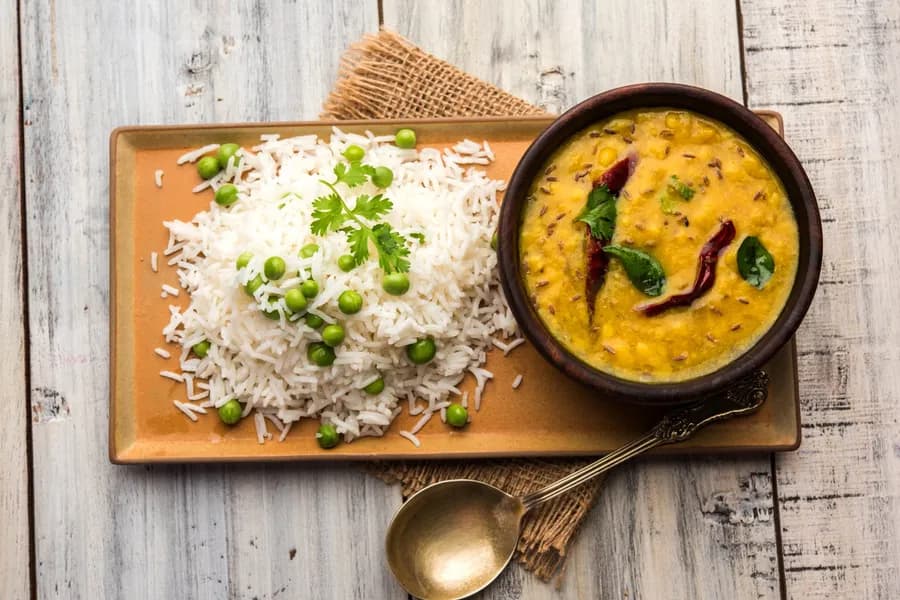
Meals with protein, fibre-rich carbohydrate and some fat generally keep you full longer than a small salad or tea alone. Dal-rice with vegetables, paneer roti rolls, curd with fruit and seeds, or tofu noodles are examples. Protein in particular helps with fullness. Adequacy matters: "healthy" meals that are too small can set up intense hunger later.
What can help in the moment?
Pause for five minutes, check when you last ate, and rate your physical hunger. If you are hungry, eat a proper snack or meal. If not, create a small delay and change the cue: leave the kitchen, make tea or finish one task. If the craving remains, portion the food and eat it without screens or self-punishment.
When do cravings need help?
Do cravings reveal deficiencies?
Pica, a craving for non-food substances such as ice, soil or chalk, can be linked with iron deficiency and needs medical assessment. Ordinary chocolate, salty or sweet cravings are far less specific. Testing should follow symptoms and clinical risk rather than internet charts that match each craving to a mineral.
When is support important?
Seek help when cravings regularly lead to binge eating, vomiting, severe restriction, secretive eating, shame or interference with diabetes care. A dietitian or mental-health professional experienced in eating behaviour can address both nutrition and triggers. This is especially important after repeated crash diets or with a history of an eating disorder.
A practical next step
For one week, note the time of each strong craving, the previous meal, your sleep, your mood and what happened next. The goal is not perfect control; it is to find the repeating condition. You may discover that a substantial afternoon snack solves more than discipline ever did, or that stress needs a second coping tool. Useful patterns create practical changes, not blame.
Editorial sources
Frequently Asked Questions
Related Articles

How to Reduce Sugar Cravings: Why They Happen and What Helps
Sugar cravings are rarely just about willpower — they’re usually your body responding to blood sugar swings, poor sleep, or stress. See what actually.

Protein for cravings: how protein keeps you full
Protein is one of the most reliable ways to stay full and keep cravings in check. See how a small daily habit, using everyday Indian foods, makes the.
Iron Deficiency : Symptoms, Tests, Causes and Treatment
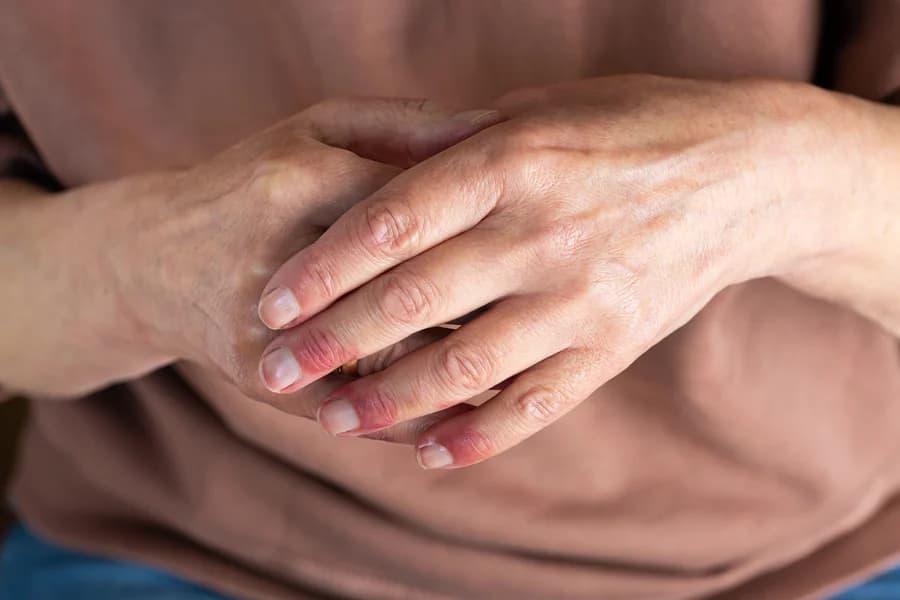
Iron deficiency can cause tiredness, weakness, breathlessness, headaches, palpitations, poor concentration, restless legs or pica, but symptoms…


Sleep Deprived Meaning: Effects and How to Recover
Sleep deprived meaning doesn't require an all-nighter — consistently getting even an hour less than you need adds up to real deprivation. See the effects, and how long recovery actually takes.
