
Iron Deficiency : Symptoms, Tests, Causes and Treatment
Iron deficiency can cause tiredness, weakness, breathlessness, headaches, palpitations, poor concentration, restless legs or pica, but symptoms…

Key Takeaways
- Fatigue alone does not prove iron deficiency.
- Ferritin and a full blood count help assessment, interpreted in context.
- Heavy periods, pregnancy, low intake and gastrointestinal blood loss are common causes.
- Iron supplements can harm when taken unnecessarily or in excess.
Iron deficiency can cause tiredness, weakness, breathlessness, headaches, palpitations, poor concentration, restless legs or pica, but symptoms are not specific. A blood test is needed because similar complaints occur with many conditions. Treating without finding the cause can delay important diagnosis. This guide examines this iron concern without overstating what one food, habit or supplement can do.
Before making decisions about iron deficiency symptoms
Iron deficiency may exist before haemoglobin falls enough for anaemia. Ferritin reflects iron stores but can rise with inflammation, so clinicians may use additional markers. Pale skin or eyelids is not a reliable home test.
Where claims about this iron concern come from
To judge iron deficiency symptoms fairly, look beyond a positive headline. Study length, dose, comparison group and participant health all influence the result. Changes in a marker such as glucose, cholesterol or an antioxidant measurement do not automatically mean that people feel better or avoid disease.
How to interpret claims about this iron concern
Before acting on a claim about iron deficiency symptoms, identify whether it refers to normal intake, a high-dose product or treatment of a diagnosed condition. These are different questions. Personal testimonials cannot show how often a result occurs or whether another change caused it.
What to do about iron deficiency symptoms
- Arrange testing before starting long-term iron unless a clinician has already advised it.
- Include lentils, beans, tofu, fortified foods and leafy greens in vegetarian meals.
- Pair non-haem iron with vitamin C-rich foods.
- Keep tea and coffee away from iron-rich meals if absorption is a concern.
Try this iron concern in a way that has a clear purpose and fits the existing routine. Change one variable at a time, then consider tolerance, cost and whether the intended benefit is actually noticeable. Continuing automatically because a product is fashionable is not a useful test.
What to record before an appointment
There is no universal self-treatment schedule for iron deficiency symptoms because several conditions can produce a similar complaint. Track its effect on work, driving and daily tasks, and arrange assessment when it persists. Sudden onset or neurological symptoms may require urgent care.
Safety considerations for this iron concern
Iron tablets commonly cause nausea, constipation, abdominal pain and dark stools. Keep them locked away from children because overdose can be fatal. Seek urgent care for chest pain, fainting, severe breathlessness, vomiting blood or black tarry stools.
Individual responses to iron deficiency symptoms vary. New pain, persistent vomiting, marked weakness, rash or other concerning changes are reasons to stop and obtain advice. Higher amounts are not a sensible response to uncertain benefit.
Where this iron concern fits—and where it does not
Iron deficiency symptoms should be judged by what it adds, what it replaces and whether it creates any harm. Reliable evidence and everyday feasibility are stronger reasons to continue than testimonials. Reassess if the cost, restrictions or side effects outweigh the intended value.
From information to an everyday decision
Before changing a routine around iron deficiency symptoms, take stock of the current diet, symptoms and medicines. This baseline makes later observations more meaningful and can reveal that the main issue lies elsewhere. For example, irregular meals, low overall intake, poor sleep or an unsuitable product may matter more than one highlighted nutrient. Keep the question narrow enough to answer and avoid changing several foods, supplements or treatments at the same time.
Individual needs can alter the advice. Children, older adults, athletes and people who are pregnant may have different requirements, while kidney, liver, digestive or metabolic conditions can limit otherwise ordinary choices. Allergies, cultural preferences, budget and access matter as well. If iron deficiency symptoms is being considered for a diagnosed problem, use the treatment plan and recent clinical advice as the reference point instead of copying another person’s portion, dose or schedule.
Common mistakes to avoid with iron deficiency symptoms
Labels and preparation deserve a second look before iron deficiency symptoms becomes routine. Check the full ingredient list, serving basis, allergens and storage instructions, and distinguish a plain food from a sweetened, salted or concentrated version. At home, use clean equipment and appropriate refrigeration. These details may seem less exciting than a benefit claim, yet they often determine the product’s nutritional value, tolerability and safety in everyday use.
Avoid judging safety only by whether something is described as natural or traditional. Risk is shaped by concentration, contamination, route of use, frequency and personal health. With iron deficiency symptoms, ordinary culinary exposure may not resemble an extract or topical product. Keep concentrated items away from children, follow the intended route, and never use a supplement as a reason to stop prescribed medicine without guidance from the professional managing that treatment.
The most durable approach is to place iron deficiency symptoms within a varied diet and realistic daily routine. Evidence can guide the choice, while personal response and safety determine whether it should continue. Keep claims modest, favour transparent products and review the result rather than assuming benefit. This balanced approach leaves room for a useful option without making it responsible for outcomes that depend on overall nutrition, activity, sleep, health conditions and appropriate medical care.
Communication matters when several people influence the plan. Family advice, online claims and professional recommendations may use the same words while referring to different forms or amounts. For iron deficiency symptoms, write down the exact question and bring the label or recipe when seeking guidance. Clear details help a clinician or dietitian identify relevant interactions, unrealistic expectations and safer substitutions without dismissing personal preferences or cultural eating patterns.
Editorial sources
Frequently Asked Questions
Related Articles
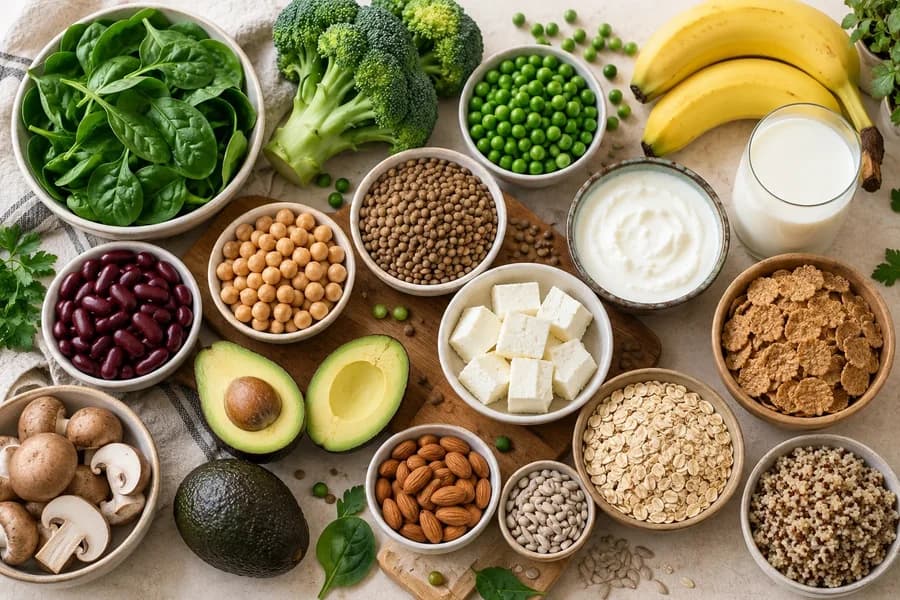
Vitamin B Rich Foods: Sources, Functions and Deficiency Risks
The B-vitamin family includes thiamin, riboflavin, niacin, pantothenic acid, vitamin B6, biotin, folate and vitamin B12.

Folic Acid Rich Foods: Folate Sources, Portions and Safety
Folate is vitamin B9 found naturally in foods, while folic acid is the form used in fortified foods and supplements.

Vegetarian protein: needs, myths and meal planning
Vegetarian meals can provide enough protein. Learn practical needs, simple Indian food sources, common myths and an easy meal-planning method.
