
Food to Avoid While Pregnancy: A Complete Safety List
Some common foods carry a real risk of infection or toxin exposure that pregnant women and their babies can’t tolerate the way healthy adults usually do..
Key Takeaways
- Unpasteurised dairy and paneer carry a listeria risk that can cross the placenta silently.
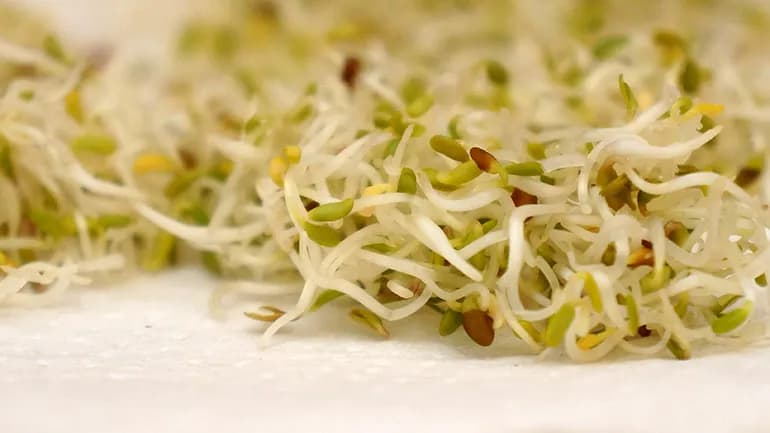
- Raw sprouts and unwashed produce can carry toxoplasma and other harmful bacteria.
- Alcohol has no safe threshold during pregnancy – it’s the one item to avoid completely.
- Caffeine doesn’t need elimination, just capping around 200mg a day.
- Cooking eggs through instead of leaving them runny avoids the smaller salmonella risk.
Knowing which food to avoid while pregnancy is just as important as knowing what to eat, since some common foods carry a real risk of infection or toxin exposure that healthy adults usually tolerate fine but pregnant women and their babies can’t. Here’s the full list, with a brief reason for each.
Food to avoid while pregnancy: the quick list
- Unpasteurised dairy and paneer — risk of listeria contamination
- Raw sprouts — bacteria can grow inside the seed where washing can’t reach it
- Unwashed raw fruits and vegetables — soil contamination can carry harmful bacteria and parasites
- Excess caffeine — high intake is linked to lower birth weight and other risks
- Certain herbal teas in excess — several herbs haven’t been studied enough in pregnancy to call large amounts safe
- Alcohol — no amount is considered safe during pregnancy
- Raw or undercooked eggs, if you eat them — a small salmonella risk, easily avoided by cooking eggs through
Why these foods matter more during pregnancy
Pregnancy lowers your immune system’s usual defences, which is why infections that a non-pregnant adult might barely notice can seriously affect a developing baby. The biggest everyday risk for most Habuild readers is listeria, a bacteria that can grow in unpasteurised milk and in paneer made from it, especially if it’s sold loose or unrefrigerated by local vendors — unlike most food-borne illness, listeria can cross the placenta even when the mother has mild or no symptoms. Toxoplasma is the other one worth knowing: it lives in soil, so unwashed raw fruits and vegetables and raw sprouts carry a real risk if they aren’t washed thoroughly or cooked. Both illustrate why a food to avoid while pregnancy list needs to be specific rather than a vague “eat clean” suggestion. If you do eat eggs, cooking them through rather than leaving the yolk raw or runny avoids the (smaller) salmonella risk that comes with them. This is exactly why doctors are so specific about food to avoid while pregnancy rather than leaving it to general food safety instincts.
Photo: Raw papaya, CC BY-SA 4.0, via Wikimedia Commons
Caffeine, alcohol, and herbal teas: what moderation looks like
Caffeine doesn’t need to be eliminated entirely, but most guidelines suggest capping it around 200mg a day (roughly one to two cups of coffee or two to three cups of tea), since higher intake has been associated with lower birth weight. Caffeine sits in a different category from most other food to avoid while pregnancy entries here, since moderation rather than complete avoidance is the goal. Alcohol is the one item on this list with no safe threshold — no amount or type has been shown to be risk-free, so it’s best avoided completely for all nine months.
Getting the first trimester right matters especially here, since nausea and cravings can make it tempting to reach for exactly the wrong things — a closer look at a pregnancy diet first trimester plan can help you build safer swaps in from the start. Calcium during pregnancy is another area worth planning for once the avoid-list feels manageable, and a full prenatal meal plan (coming soon) will eventually bring all of this together, since safe eating is really about what you add as much as what you leave out.
Herbal teas deserve more caution than they usually get: teas like ajwain, tulsi in large quantities, or unfamiliar herbal blends haven’t been studied enough in pregnancy for doctors to call them reliably safe, so it’s best to stick to teas your doctor has specifically cleared rather than assuming “herbal” means “harmless.” (For readers who do eat non-vegetarian food, high-mercury fish is a separate risk worth asking your doctor about — mercury can affect a baby’s developing nervous system — but it isn’t relevant to Habuild’s largely vegetarian audience.)
More Food to Avoid While Pregnancy: Other Everyday Risks Worth Knowing
Raw sprouts (moong, alfalfa) are a less obvious entry on this list — the warm, moist conditions needed to sprout seeds are also ideal for bacteria like salmonella and E. coli to grow inside the seed itself, where washing the surface doesn’t help; cooking sprouts briefly removes most of this risk. Loose paneer from vendors with uncertain refrigeration and hygiene standards carries the same listeria concern as unpasteurised milk, so buying from a trusted source or making paneer fresh at home is the safer route. Pre-cut fruit sitting out, street food with uncertain hygiene standards, and reheated leftovers that weren’t stored properly are also worth being more cautious about than usual during pregnancy, simply because your margin for a food-borne illness is lower right now. Treating these as part of the same food to avoid while pregnancy list — rather than one-off exceptions — makes the habit easier to stick to.
Frequently Asked Questions
Related Articles
How to Relieve Back Pain During Pregnancy While Sleeping
Pregnancy loosens the ligaments that support your spine, which is why back pain often gets worse specifically at night. See the position and pillow adjustments that actually help.

Sleeping Position During Pregnancy First 3 Months (First Trimester)
Sleeping position during pregnancy first 3 months matters far less than most expecting mothers assume — the first trimester is the most flexible stretch of pregnancy for how you sleep. See when position actually starts to matter.
Sleeping on Right Side During Pregnancy: Is It Safe?
Sleeping on your right side during pregnancy isn't dangerous — the anxiety around it is an oversimplified rule, not an evidence-backed warning. See where the actual concern comes from.
