
How to Relieve Back Pain During Pregnancy While Sleeping
Pregnancy loosens the ligaments that support your spine, which is why back pain often gets worse specifically at night. See the position and pillow adjustments that actually help.
Key Takeaways
- States pregnancy hormones loosen ligaments around the spine and pelvis, raising strain risk.
- Recommends a small pillow under the belly to take forward-pulling weight off the lower back.
- Warns a too-soft mattress lets hips sink lower than shoulders, twisting the spine all night.
- Recommends gentle cat-cow stretches or pelvic tilts before bed to release tension beforehand.
- States standard core-strengthening back advice isn’t appropriate once pregnant.
- Recommends checking with a doctor if pain comes with numbness or tingling, not just adjusting sleep.
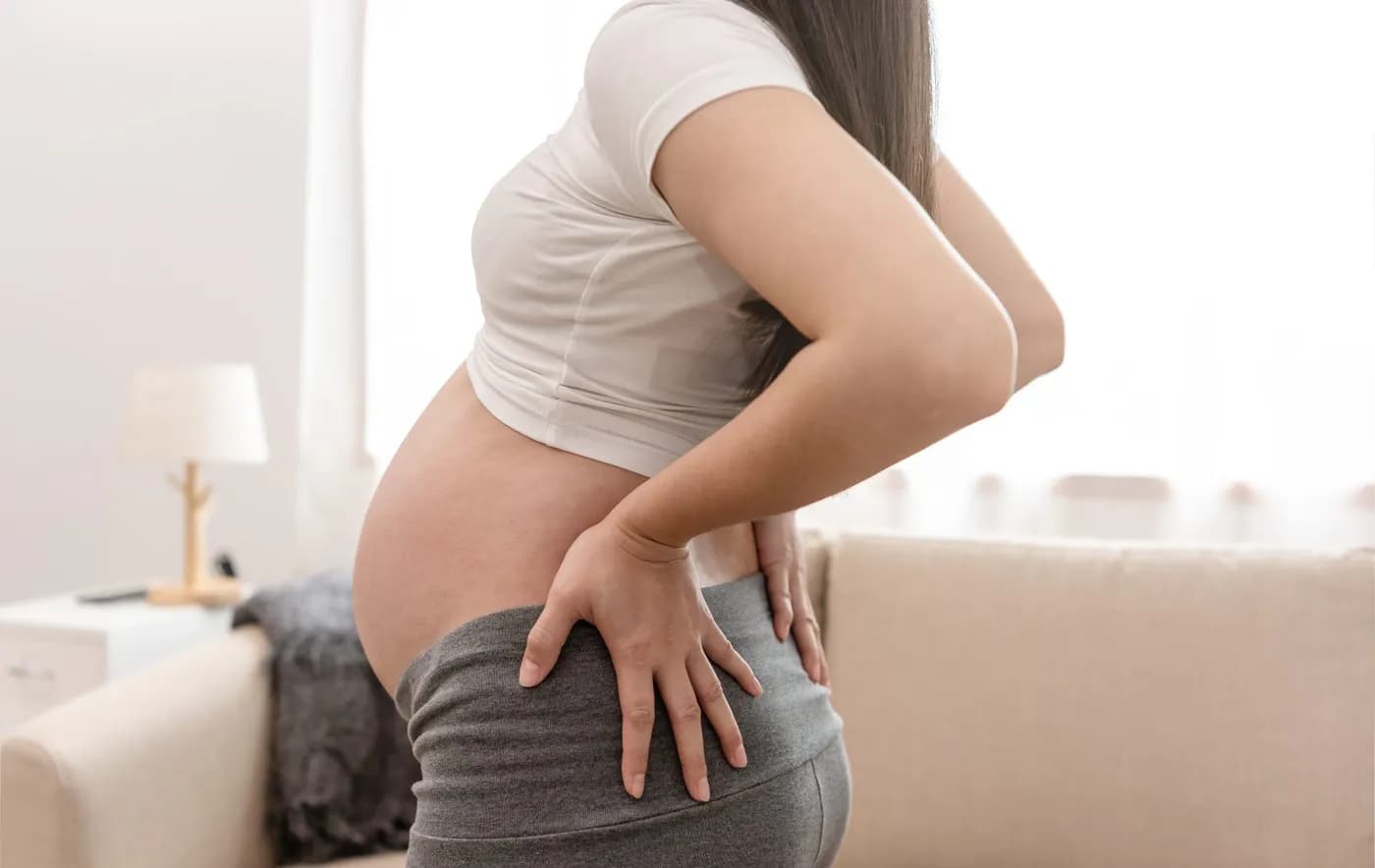
How to relieve back pain during pregnancy while sleeping is one of the most common questions from the second trimester onward, when a growing belly shifts your centre of gravity and puts new strain on your lower back exactly when you’re lying down to rest.
Why pregnancy back pain gets worse overnight
Pregnancy hormones loosen ligaments throughout your body, including around the spine and pelvis, which can make your back more vulnerable to strain from an unsupportive sleep position. Combined with the added weight and shifted posture of a growing belly, this is why so many women specifically need to learn how to relieve back pain during pregnancy while sleeping, rather than only managing it during the day.
How to relieve back pain during pregnancy while sleeping, night after night
- Sleep on your left side with a pillow between your knees — this keeps your hips and spine aligned and is the single most recommended position for pregnancy-related back pain
- Add a pregnancy pillow or wedge behind your lower back — extra support behind you prevents rolling flat onto your back overnight and cushions the lower spine directly
- Place a small pillow under your belly — this takes some of the forward-pulling weight off your lower back while side sleeping
- Avoid a mattress that’s too soft — if your hips sink lower than your shoulders, your spine twists slightly all night, worsening rather than relieving back pain
- Do gentle stretches before bed — a few minutes of cat-cow stretches or pelvic tilts can release tension that would otherwise carry into your sleeping position
When pillow placement alone isn’t enough
If you’ve tried the standard position and pillow adjustments and still haven’t found how to relieve back pain during pregnancy while sleeping, a few other things are worth checking: whether your mattress needs replacing, whether daytime posture (especially prolonged standing or sitting) is compounding the issue, and whether a maternity support belt worn during the day might reduce the strain that shows up at night. Persistent or severe pain, especially with numbness or tingling, should be checked by a doctor rather than managed with sleep adjustments alone.
Why standard back pain advice doesn’t fully cover how to relieve back pain during pregnancy while sleeping
General back pain advice — strengthen your core, stretch regularly, use good posture — still applies during pregnancy, but it needs adaptation, since standard core-strengthening exercises aren’t appropriate once pregnant, and the source of the pain (loosened ligaments, shifted centre of gravity, a growing weight in front) is genuinely different from typical mechanical back strain. This is exactly why generic back pain tips often fall short when applied directly, and why learning how to relieve back pain during pregnancy while sleeping specifically requires pregnancy-adapted guidance rather than a general back-care routine borrowed unchanged from outside pregnancy.
What type of pain signals something beyond typical pregnancy back pain
Most pregnancy-related back pain is mechanical and responds to the position and support changes described above. It’s worth distinguishing this from a smaller set of warning signs: rhythmic lower back pain alongside tightening across the belly (possible contractions, especially before 37 weeks), pain specifically in one hip or buttock that shifts with movement (possible sciatica needing separate management), or pain accompanied by fever or unusual discharge. None of these are addressed by simply adjusting how you relieve back pain during pregnancy while sleeping, and all warrant contacting your doctor rather than continuing with home management alone.
Building this into your broader pregnancy sleep routine
Knowing how to relieve back pain during pregnancy while sleeping works best alongside the general position guidance in pregnancy sleeping positions, since the same left-side, well-supported setup that helps blood flow also happens to be the one that best protects your lower back.
Frequently Asked Questions
Related Articles
Yoga Poses for Back Pain: Best Asanas for Lower Back, Upper Back and Sciatica
Back pain is the leading cause of disability worldwide, affecting 619 million people, and yoga is among the most evidence-supported non-pharmacological interventions for it. See the best asanas.


How to Sleep Better at Night: 8 Proven Habits for Deeper, More Restful Sleep
Sleep quality is highly responsive to a few specific evening habits — no medication, expensive devices, or complicated protocols required. See all 8 proven habits.

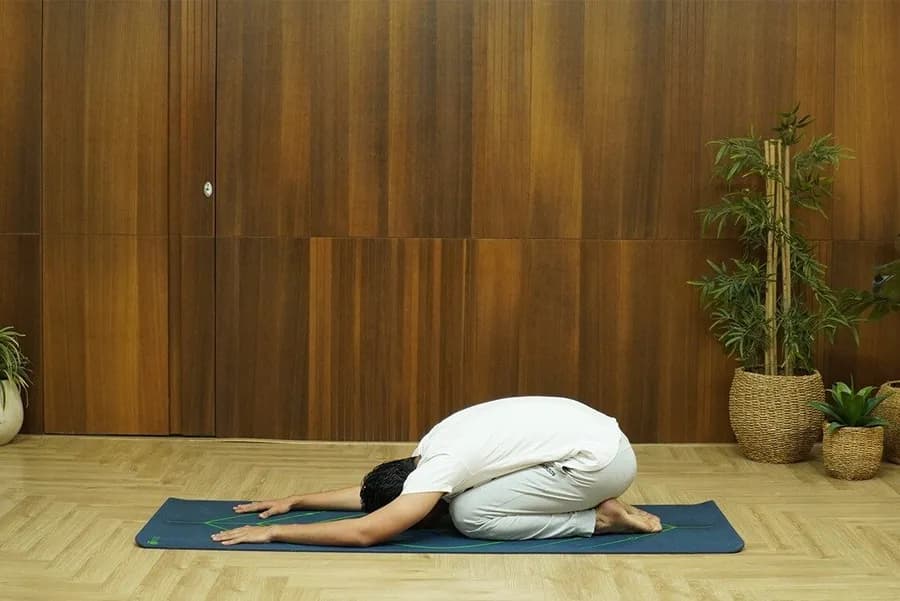
Balasana Benefits: 10 Reasons to Practise Child’s Pose Every Day
Child's Pose gently decompresses the spine, opens the hips, and activates the parasympathetic nervous system — zero equipment, no flexibility prerequisite. See all 10 reasons to practise it daily.